Category: HISTORY

History

  • Wall Paintings in Shorthampton

    Wall Paintings in Shorthampton

    A few miles outside Charlbury, down a lane that gives no warning of what’s at the end of it, sits the chapel of All Saints, Shorthampton. It is easy to miss, and that is rather the point. Shorthampton was built as a chapel-of-ease, a small satellite church granted to communities too far from their parish church to make the journey easily, in this case sparing the hamlet a walk into Charlbury itself. In 1109 the Benedictine monks of Eynsham Abbey were granted Charlbury and its outlying hamlets, Shorthampton among them, and the present building dates from their stewardship. The earliest written reference to the chapel comes from the Eynsham Abbey cartulary in 1296, which records that three services a week were said there with two clergy in attendance, evidence of a community taking its small chapel seriously from the start. The monks cared for it until the dissolution of the monasteries under Henry VIII, after which, in 1555, it passed into the care of St John’s College, Oxford, where responsibility for it has remained ever since.
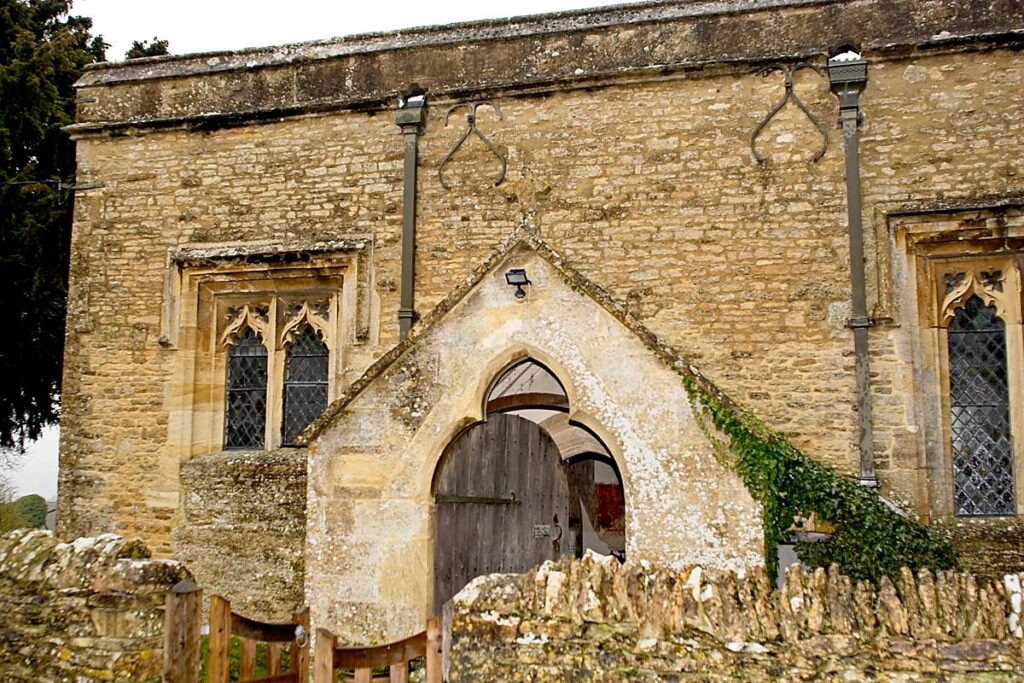
    What makes Shorthampton remarkable is not its size, which is modest, but what is painted on its walls. In 1903 the chapel’s restoration was taken in hand by Vernon Watney of nearby Cornbury Park, carried out under the architect John Belcher, and it was during this work that a series of medieval wall paintings was uncovered beneath three and a half centuries of Puritan whitewash. Belcher invited an architect and antiquarian named Philip Mainwaring Johnston, by then already known for his careful surveys of early church paintings, to search out and record what had been found. Johnston published his findings in the Archaeological Journal in 1905, with a full set of plates: a plan and section of the building, photographs of the chapel and its font, sketches of the carved corbel heads in the nave, and coloured drawings of the paintings themselves. Those plates remain the fullest visual record there is of how the paintings looked at the moment they re-emerged into daylight.
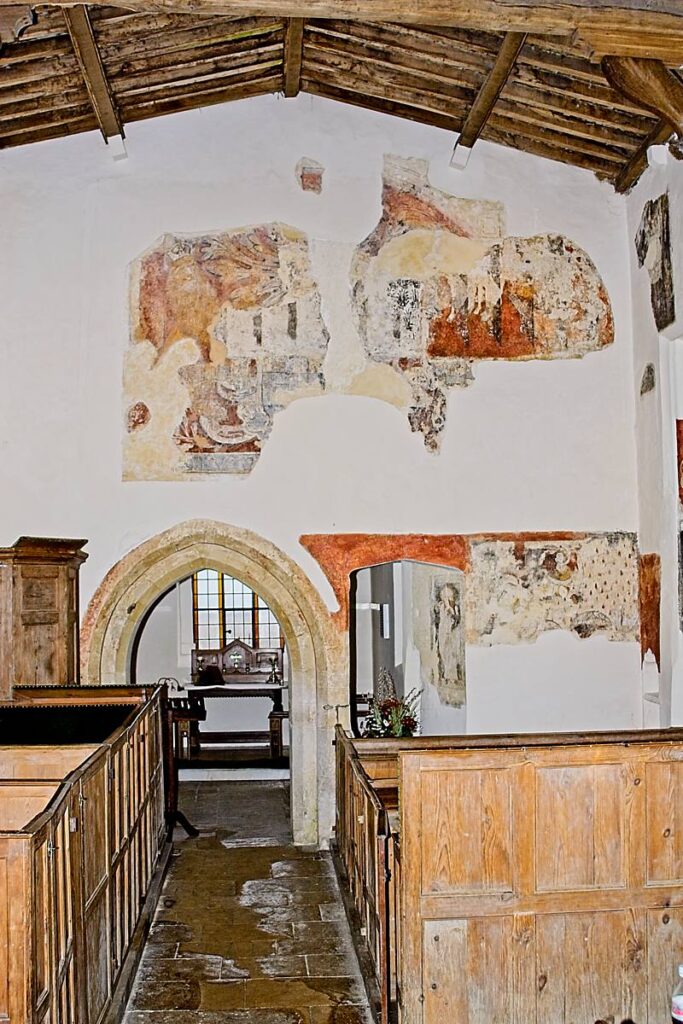
    Johnston’s account opens with something close to astonishment. Describing the painting of St Sytha on first being uncovered, he wrote that its colours were extraordinarily fresh, as though it had only lately been finished, and credited the whitewash of the Reformers, of all things, with the preservation. It is a nice irony to sit with: the same coat of limewash applied to erase these images had also, accidentally, kept them safe for three hundred years.

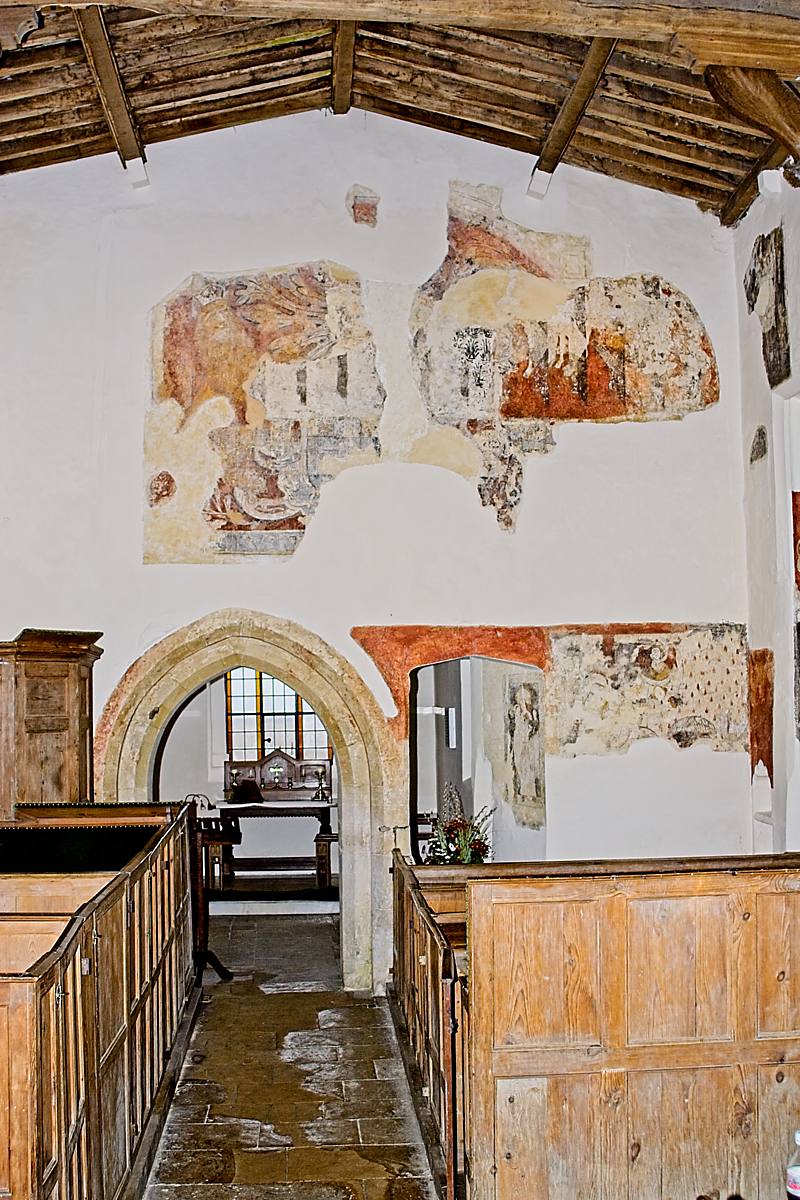
    Visiting the chapel today, more than a century after Johnston’s survey, I found that irony cutting the other way. Comparing what remains on the walls now against his written descriptions of 1905, it is clear how much has been lost in the time since, this time to open air, damp, and the ordinary wear of more than a hundred years without the whitewash’s protection. Johnston’s plates are exact enough that I can place his work directly against my own photographs and see precisely what the twentieth century took that the Reformation, in its own way, had spared.

    St Frideswide
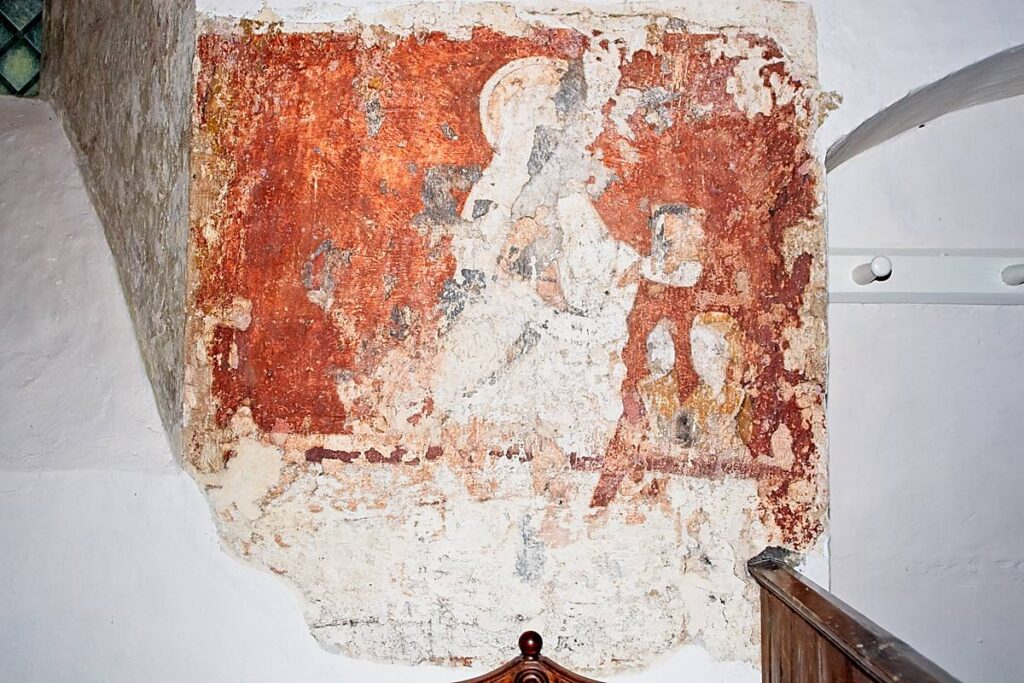
    Eastward of the old Norman window, Johnston uncovered a painting, partly overlaid by a later one, of St Frideswide, Oxford’s own patron saint, shown teaching the youth of the city to read from a heavy bound book, with an ox standing at her side and a boy kneeling before her, hands raised together in attention. Johnston credited a colleague, the Reverend E. S. Dewick, with working out the identification. Frideswide paintings of any date are rare enough that even this faint, damaged example struck Johnston as a genuine addition to the record. A more recent reading of the same kind of composition elsewhere has suggested that scenes like this one sometimes show St Anne teaching the young Virgin Mary rather than Frideswide and a pupil, since the visual formula for the two scenes is very similar, so the identification carries a little more uncertainty than Johnston’s confident attribution implies. Either way, a teaching woman at the centre of the image feels apt for a chapel otherwise so concerned with work, service and care. Frideswide’s own cult is not simply a historical curiosity, either: a four-day pilgrimage route in her name, running from her shrine at Christ Church to Reading Abbey, was only established in 2024, a reminder that the kind of devotion this chapel’s walls were built to encourage has not entirely vanished from Oxfordshire.

    St Thomas of Canterbury, or possibly St Edmund of Abingdon
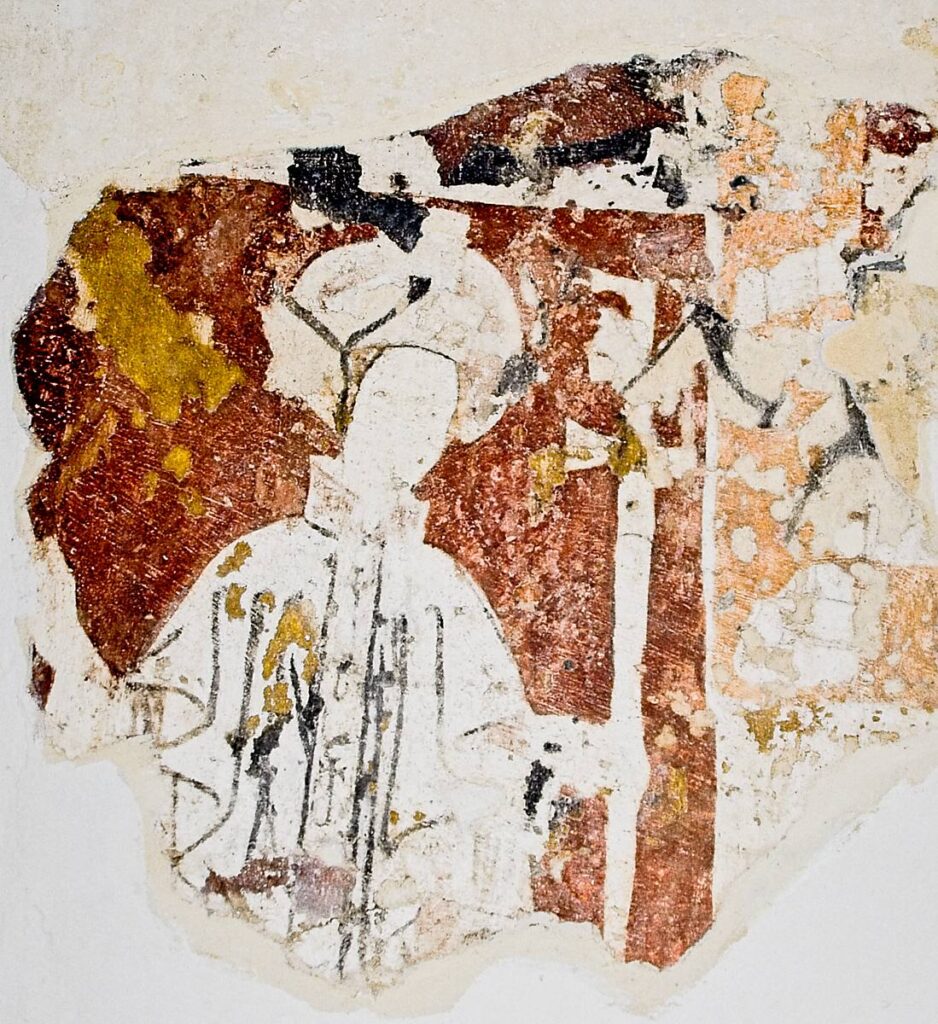
    Close beside Frideswide, on the same north wall, is the upper part of a mitred archbishop (Plate 7), painted with no name or emblem to confirm his identity. Johnston’s own best guess, offered as a presumption rather than a certainty, was St Thomas of Canterbury, the most famous English archbishop-saint by far, whose cult, as anyone who has spent time with English medieval pilgrimage badges will know, was extraordinarily popular and durable right up until Henry VIII’s reign brought a deliberate campaign to erase it. Johnston supported the identification by comparing the Shorthampton figure with a securely dated and similarly devotional image of Becket at Hauxton Church in Cambridgeshire, painted some two and a half centuries earlier, noting the family resemblance in pose even allowing for the gap in date.
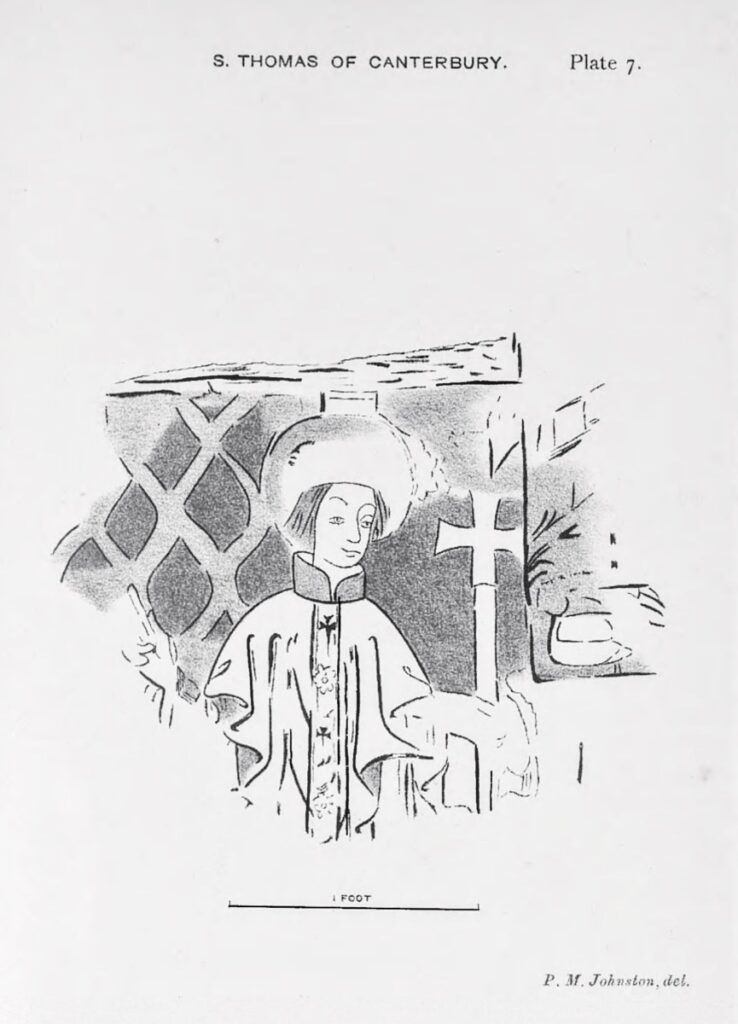
    Plate 7a

    The parish’s own more recent guide to the paintings proposes a different and quite specific alternative: St Edmund of Abingdon, whose father had become a monk at Eynsham Abbey itself, the very house that held the living here, and two of whose sisters were prioresses at nearby religious houses. That is a real local connection that Becket cannot match, and it is offered as a reasoned possibility rather than a settled correction to Johnston. Without a surviving name or emblem, the figure may simply never be identified with certainty, Becket and Edmund both have a claim, one resting on the wider fame of the cult and a comparable dated example elsewhere, the other on a specific and unusually well-evidenced local tie. I rather like that the question stays open. Johnston’s sketch shows considerably more of the figure than survives on the wall today, which has lost most of its legible detail in the century since.

    The miracle of the clay birds
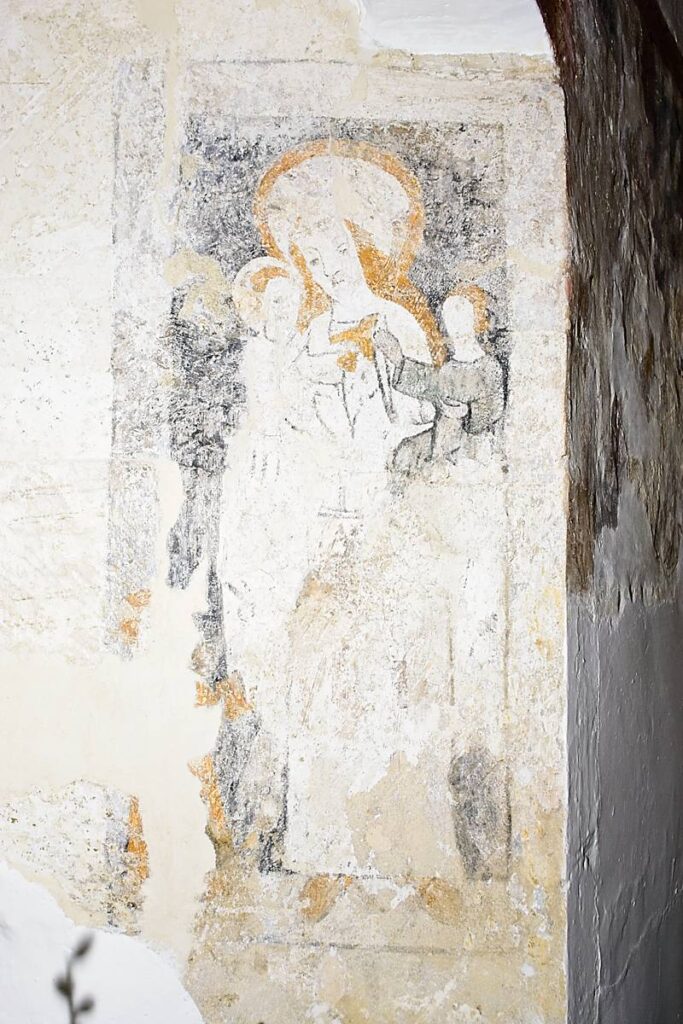
    Painted on the splay of a squint, a diagonal opening cut through the wall beside the chancel arch to give a clear sightline into the chancel, in a position Johnston could not recall ever having seen used for a painting in any other English church, is one of the chapel’s rarest images (Plate 5). It illustrates a story from the Gospel of Nicodemus, an apocryphal text never accepted into scripture but well known in the medieval period, in which the child Christ shapes birds out of river clay to amuse his young companions and then, to general delight, gives them life and sets them flying. Johnston’s drawing shows the Virgin at the centre, crowned and haloed, her hair loose down her back, dressed in an ermine-trimmed tunic, a pink robe and a pale blue mantle. She carries the haloed infant Christ on one arm while a second small boy sits on her other arm and a third kneels before her in an orange-brown tunic, all three children caught in attitudes of wonder at the bird taking flight from Christ’s hand. Johnston thought the delicacy of the drawing suggested an illuminator’s hand, very possibly a monk of Eynsham skilled with a brush, and called the subject unique among English medieval wall paintings so far as he was aware. So far as I know, that claim has never been seriously challenged since.
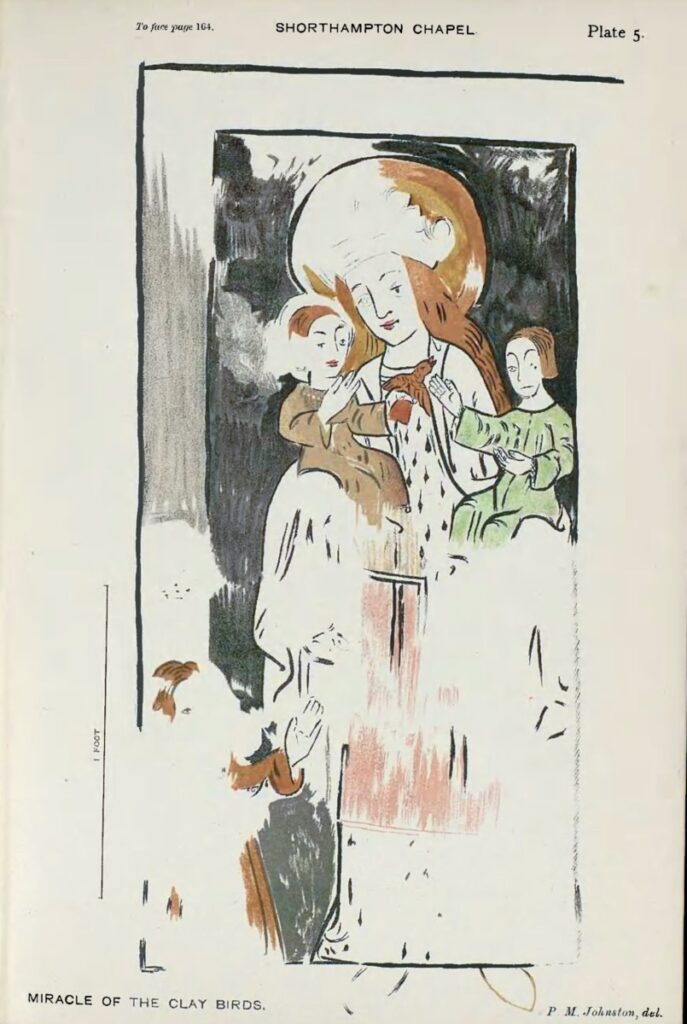
    Plate 5

    St Sytha

    St Sytha

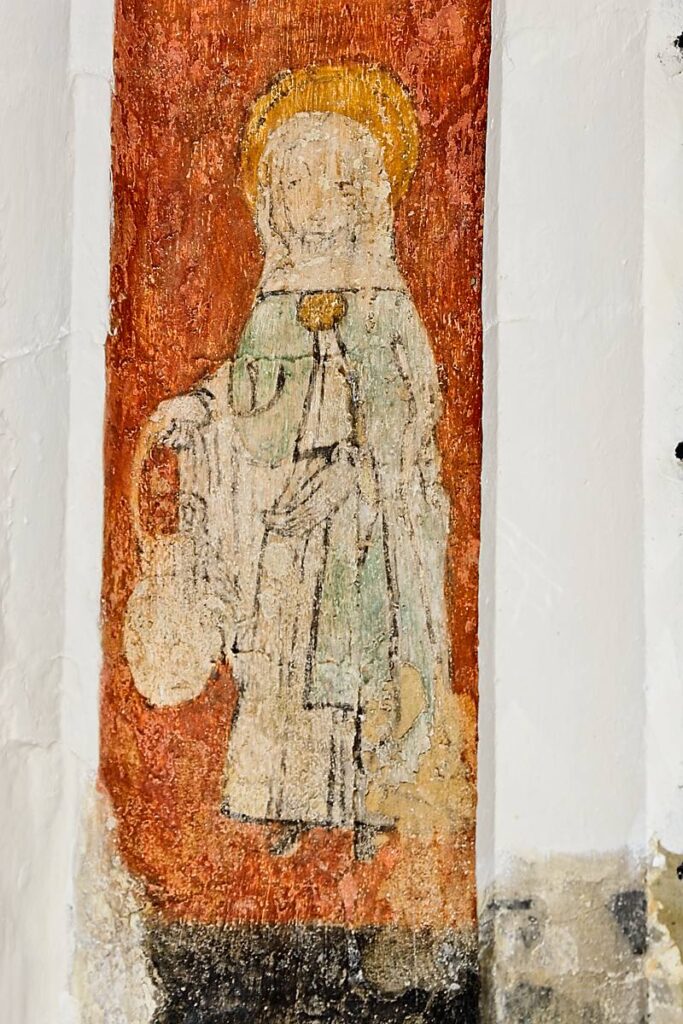
    Of all the paintings, this is the one I find most affecting (Plate 6). St Sytha, known in Italy as Zita, where her cult developed and from which it likely travelled to England with Lucchese merchants, was not a grand figure. Johnston records her birth date as 1218; she was a domestic servant in a wealthy household in Lucca, renowned in her own lifetime for piety and care of the poor rather than for any miracle or martyrdom. She became, in time, the patroness of domestic servants across much of Catholic Europe, and evidently found her way into this small Oxfordshire chapel through the same trade and devotional connections between Lucca and England that also placed a shrine to the English St Edmund in Lucca’s own cathedral.
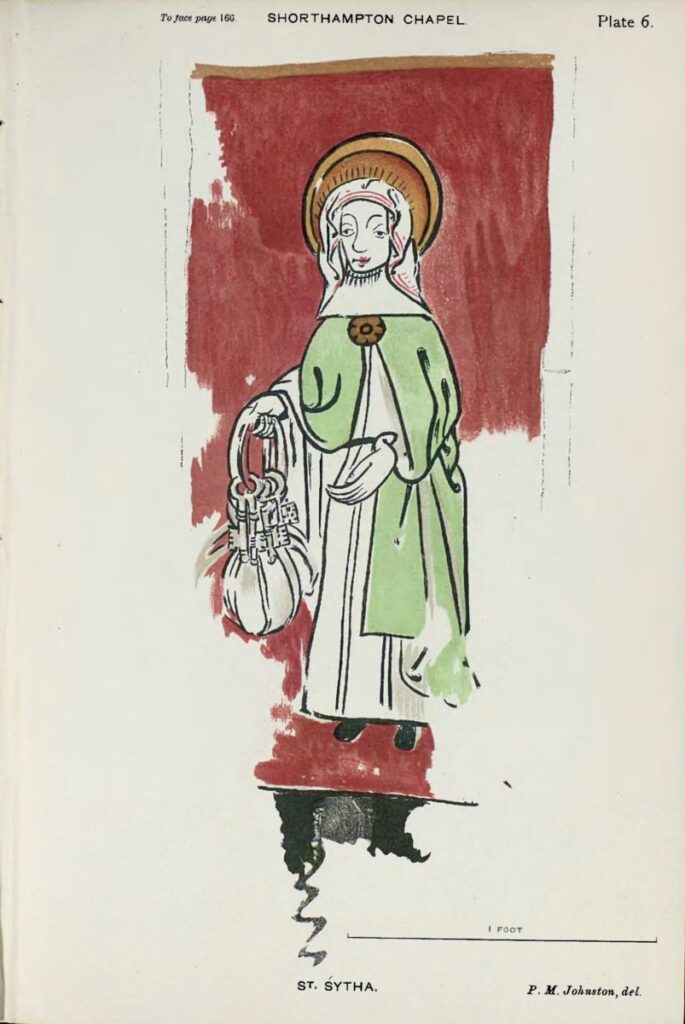
    Plate 6

    She is shown carrying a bag, perhaps meant for scraps of food for the poor, and a set of four keys, the trust eventually placed in her by the family she served. Johnston was careful to distinguish her from the similarly named St Osyth, a Mercian saint who would otherwise fit this part of England rather well, but whose attributes don’t match what’s painted here; the keys and purse settle the matter in Sytha’s favour. It was this image, on first being uncovered, that struck Johnston as looking as though it had only just been painted. What remains now suggests just how much an unprotected century can take from a painting that briefly looked, on the day it was uncovered, finished only yesterday.
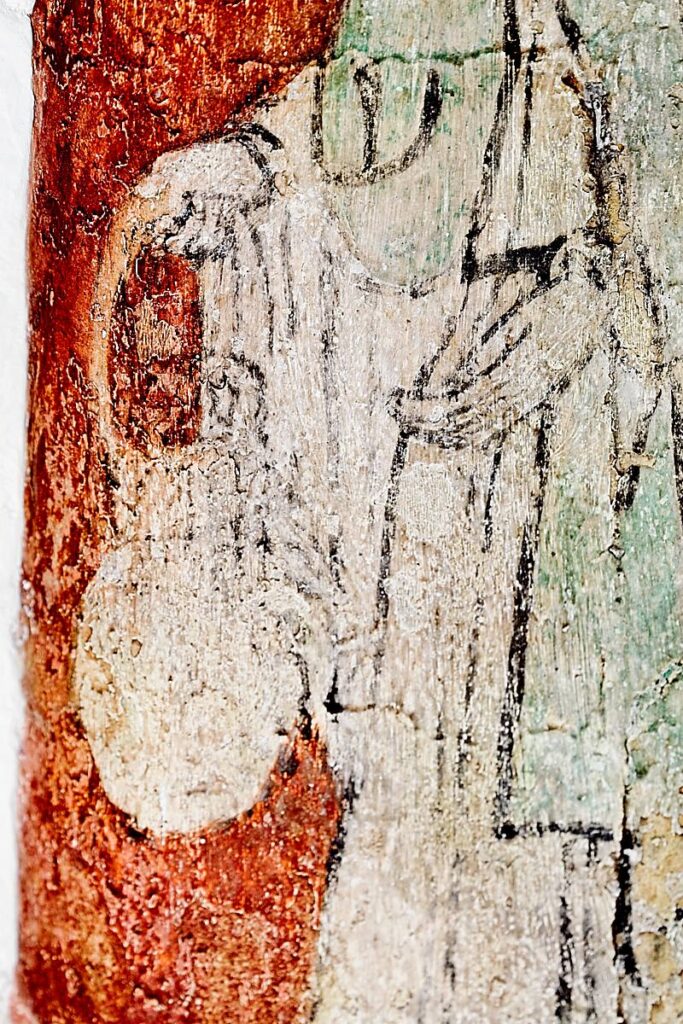
    St Sytha – detail

    It is a small, quietly radical idea for a parish wall: that the patron saint watching over a rural Oxfordshire community making its peace with hard, unglamorous work was herself nothing but a servant.

    The Doom, and its hell cauldron
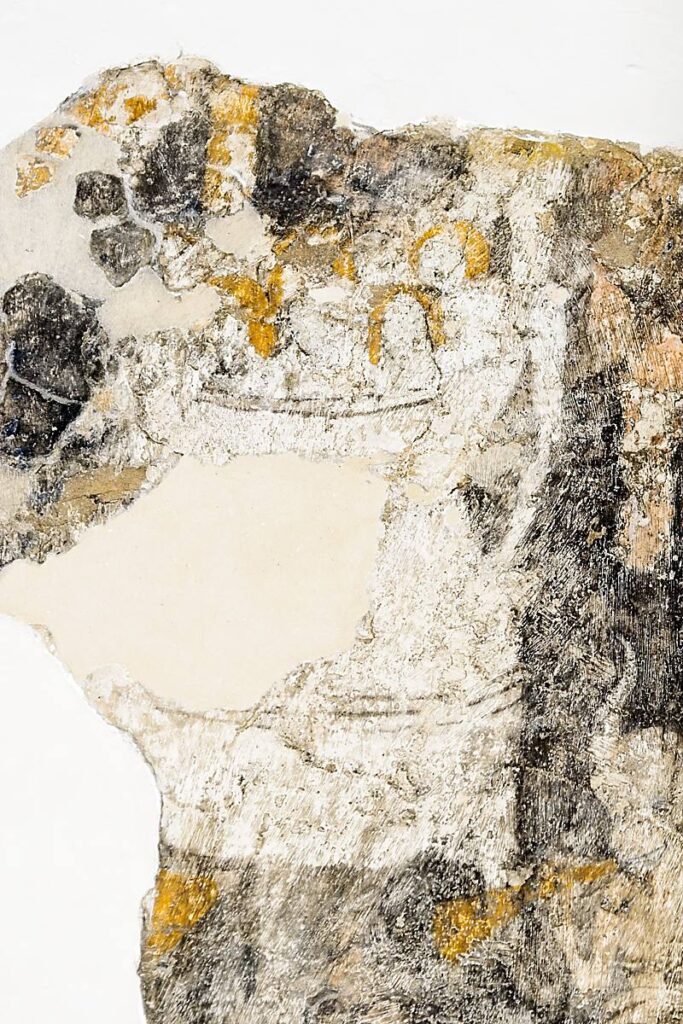
    The largest single subject in the chapel, by far, was a Doom, a depiction of the Last Judgement that once covered the whole upper part of the east wall and continued onto the north and south walls beside it, comparable in scale to surviving examples at North and South Leigh elsewhere in the county. Almost nothing remains of its Death on the Pale Horse, on the north side. On the east wall, a Resurrection survives in better fragments: figures climbing from elaborately carved stone coffins against a red ground scattered with grass and flowers, one clearly a woman in a white shroud. The Heaven half of the composition, with the saved, Christ in judgement, the Virgin, and the archangel Michael weighing souls, none of that had survived to Johnston’s day. What had survived, in reasonable condition, was the Mouth of Hell: painted as the open jaws of a whale, with two snarling blue demons hauling a line of condemned souls in on a spiked chain, watched by a scatter of small heads above that Johnston guessed were further souls being forked down by Satan himself.
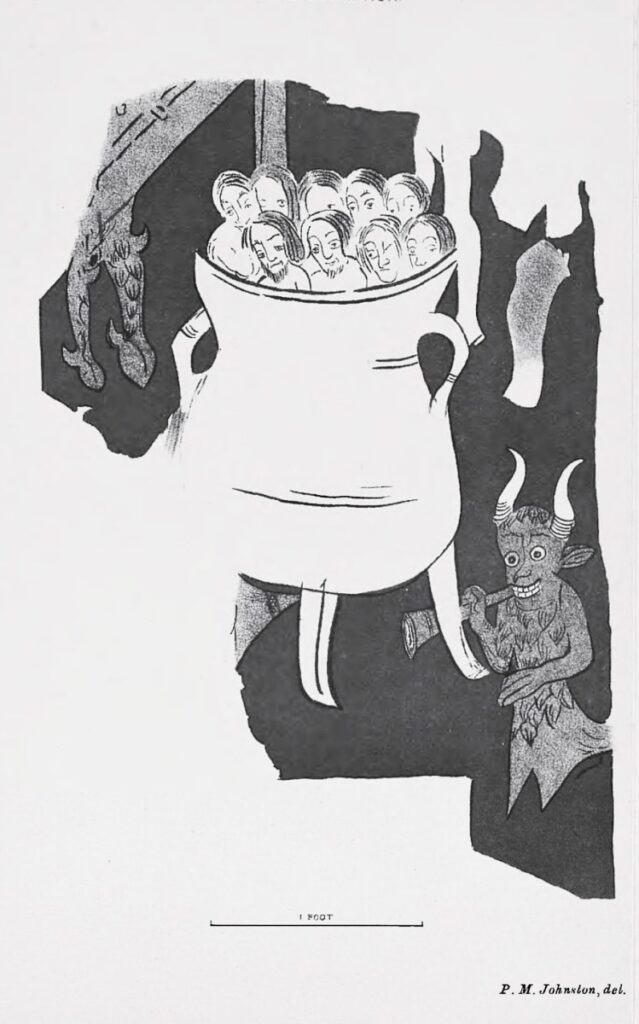
    Plate 7b

    The most arresting fragment, though, sits separately on the south wall (Plate 7). It is the hell cauldron, and Johnston’s description of it remains the best account there is. He noted that the great two-handled pot, standing on short legs against a black background, resembled nothing so much as an oversized pewter drinking measure, and suggested the resemblance was deliberate, a warning against the drunkenness that too often disgraced the parish’s own Whitsun ales and church-ale drinking sessions. Ten miserable faces, two bearded and clearly meant for men, the rest intended as women, are crammed into its rim. A bellows nozzle beneath the pot fans the flames, and beside it a small horned demon, tailless and oddly unfinished, blows a horn, perhaps in mocking reference to the music that would have accompanied those same parish drinking sessions.
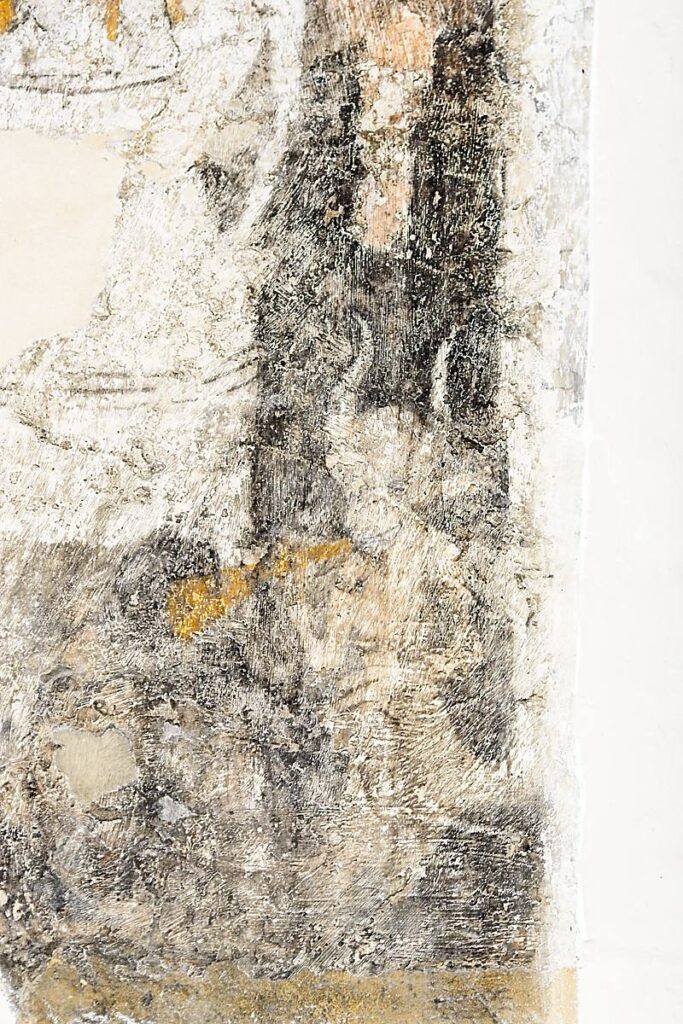
    Above the pot, in Johnston’s most memorable observation, a demon and a naked figure are caught on a kind of see-saw balanced on a post, the demon weighing down one end while the human figure, having evidently just been thrown from her seat, clutches the tilted plank with her clothes falling away behind her, about to be dropped straight into the cauldron’s mouth. Johnston judged the whole scene irresistibly funny despite its coarseness, and concluded, reasonably, that a fifteenth century Oxfordshire congregation needed blunt warnings rather than delicate ones.

    St Eligius
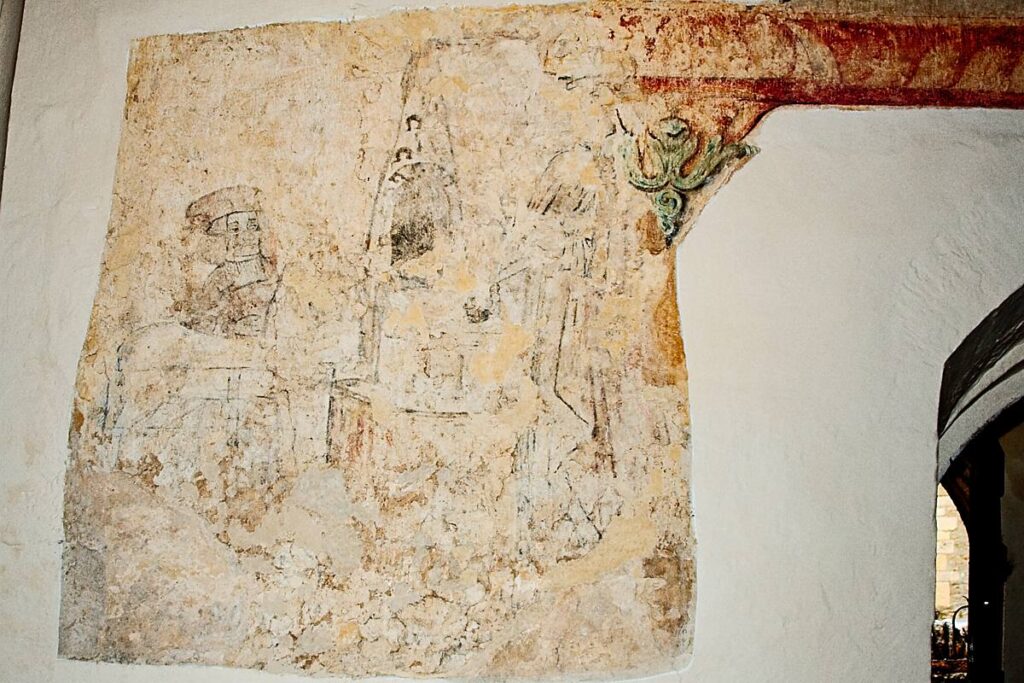
    Probably the latest of the chapel’s paintings, executed in sparing grey and black outline rather than the fuller colour of the earlier work, depicts St Eligius, known in England as St Loy, a seventh-century bishop and former master goldsmith who became patron of metalworkers (Plate VII). The story shown is his most famous miracle: faced with a horse too possessed to be shod safely, Eligius simply removed its leg at the joint, fitted the shoe at leisure with the leg held in his tongs, and reattached it once the work was done. The painting shows the saint at his forge, vested as a bishop, the horse braced in a wooden frame to support it while it stands short a leg, and behind it the horse’s owner, a well-to-do citizen in the square flapped hat fashionable around 1500, watching the whole procedure. The bishop himself has lost his head to later damage, the one significant loss Johnston recorded in this particular image.
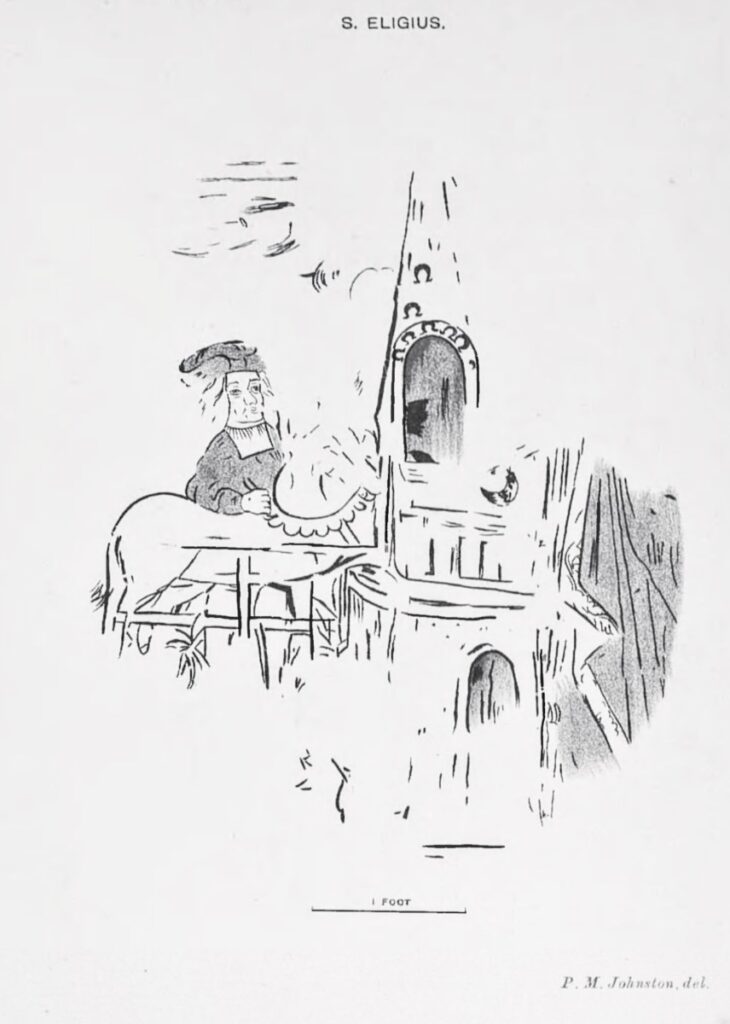
    Plate 7c

    Johnston knew of comparable depictions of this exact miracle elsewhere, including a bas-relief at Or San Michele in Florence and another, photographed for him by a friend, at Durweston in Dorset (Plate VIII). It is worth adding, since Johnston himself was already drawing the comparison between Oxfordshire and Florence, that the same scene, the same miracle, the same severed leg held at an anvil, was painted by Sandro Botticelli within a few decades of Shorthampton’s own version, as one panel of the predella beneath his Altarpiece of St Mark, now also in the Uffizi. The two paintings could not be more different in ambition, one a small predella panel beneath an altarpiece for one of Florence’s great confraternities, the other a few square feet of plaster in a chapel-of-ease serving a handful of farming families in Oxfordshire, and yet they tell exactly the same story, because for a time it was simply part of the common visual currency of Christian Europe, available to a Florentine master and an anonymous village painter alike.

    What else was here

    A separate small chapel formed within the widened south wall around 1400 held a painting of the Agony in the Garden, Christ kneeling among the trees of Gethsemane with a demi-angel above bearing a scroll, the background scattered with drops of blood in a deliberate echo of the Gospel of Luke. By about 1460 this had been covered with a second painting, apparently of the Virgin, of which only a single small head survives, painted by the same hand responsible for the archbishop figure described earlier. And on the west wall, where a later window has destroyed most of the image, a single painted wing and a few trees are all that remain of what was once a large St George and the Dragon, probably dating from around the same 1400 rebuilding as the Agony.

    Johnston also recorded painted boards bearing the Creed and other texts, added to the nave walls between the late seventeenth and early nineteenth centuries, which in most cases survived precisely because the medieval paintings beneath them had already been destroyed before the boards went up. A small mercy, of a kind: the same Reformation-era impulse to whitewash and overwrite that erased so much also occasionally protected, by accident, whatever scraps were left.

    Conclusion

    Johnston closed his own account with a small, quiet rebuke to anyone tempted only to mourn what such restorations inevitably reveal has already been lost. Better, he thought, to get on with finding, recording and preserving what remains than to spend too long lamenting what doesn’t. It’s a fair instruction, and over a century later, with his plates in one hand and my own photographs in the other, it still feels like the right way to spend an afternoon at Shorthampton.

    Sources

    Philip Mainwaring Johnston, “Shorthampton Chapel and its Wall-Paintings,” The Archaeological Journal, vol. 62 (1905), pp. 157–171. The primary source for almost everything above, including all the plate references.

    E. T. Long, “Medieval Wall Paintings in Oxfordshire Churches,” Oxoniensia, vol. 37 (1972), Oxfordshire Architectural and Historical Society. An independent later survey covering Shorthampton alongside other county churches.

    Jennifer Sherwood and Nikolaus Pevsner, Oxfordshire, The Buildings of England (1974).

    Guide to Shorthampton wall paintings, Parish of Charlbury with Shorthampton. Source for the St Edmund of Abingdon identification discussed above.

    New St Frideswide’s Way Pilgrimage Walk Launches, Christ Church, University of Oxford, June 2024.

    Church of All Saints, Shorthampton, list entry 1053112, Historic England. Grade II* listed.
  • Cumnor

    Cumnor

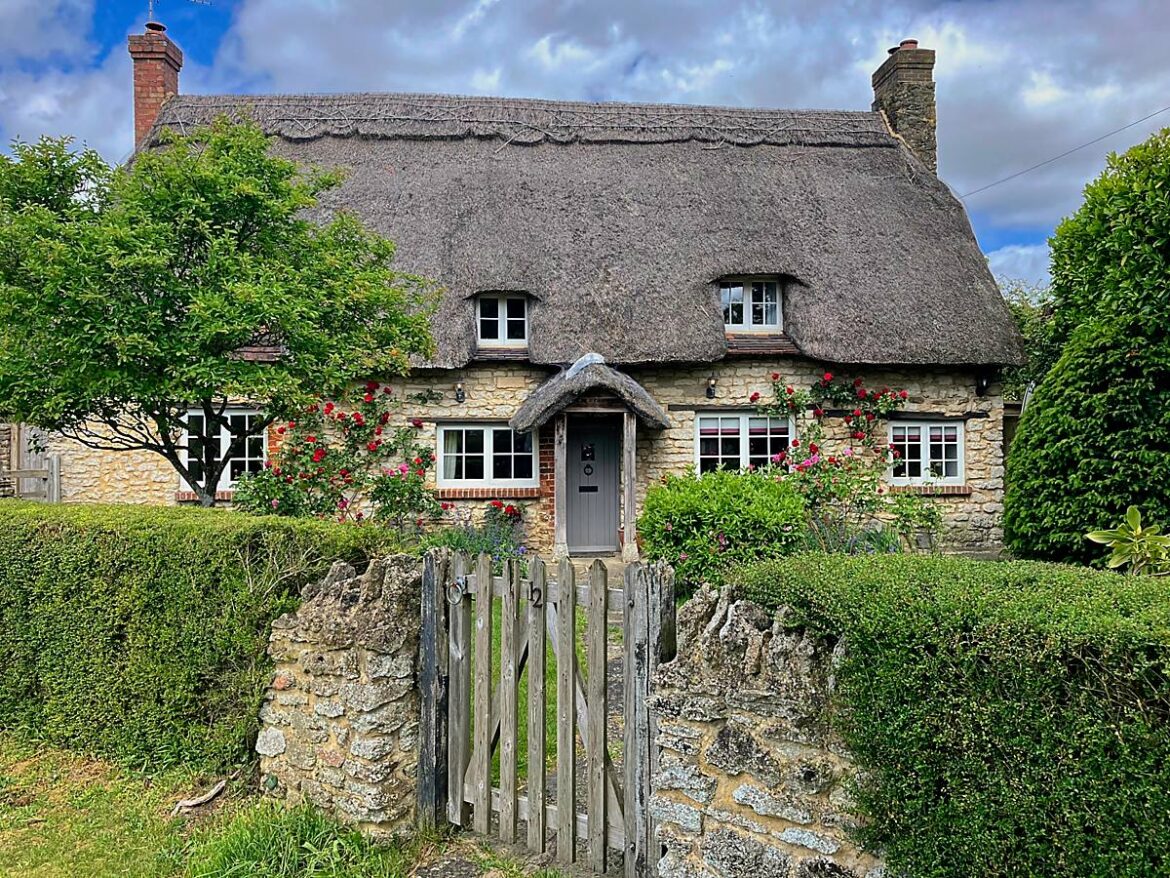
    The charming village of Cumnor sits just a few miles southwest of Oxford. An easy bus ride of 20 minutes, but a more complicated bike ride, as it sits atop Cumnor Hill, a two-mile stretch of incline that slows many cyclists to a crawl. I should know, I barely make it up on my electric bicycle. For over five hundred years it belonged to the Benedictine Abbey at Abingdon, first recorded as Abbey land in 968 and confirmed in the Domesday Book (as “Comenore”). Around 1330 the monks built Cumnor Place as a manorial centre, a house that would later become the setting for one of the parish’s more enduring mysteries.

    In September 1560, a young woman called Amy Robsart was found dead at the bottom of a short staircase in Cumnor Place. She was 28 years old. Her neck was broken and there were two wounds to the back of her head. It was, by contemporary account, a short flight of stairs.

    Amy was the wife of Robert Dudley, probably the most powerful man in England after the Queen herself, and widely believed to be Elizabeth’s lover. The gossip at court had been running for months: Dudley wanted rid of his wife so he could marry the Queen. On the day Amy died she had sent all her servants to the Abingdon Fair, insisting they go, becoming agitated with those who hesitated. When they came home they found her at the foot of the stairs.
    The coroner’s inquest, held the following year, recorded an accidental death. Nobody was ever charged. The coroner’s original report has not survived.
    What actually happened has been argued over ever since. Suicide is possible; she was by all accounts deeply unhappy, and one now-doubted theory attributes her death to advanced breast cancer causing her neck to break under minimal strain. Murder is possible too. Murder is possible too, though whether Dudley ordered it, or Cecil arranged it to destroy Dudley’s reputation, or someone else entirely was responsible, nobody has ever established.
    The names still linger in the village today. Anthony Forster, Cumnor Place’s tenant at the time of Amy’s death, has Forster Lane. Sir Walter Scott’s Kenilworth, the 1821 novel that turned the story into a national sensation and hardened the murder theory in the public mind, has Kenilworth Road. And Amy herself has Robsart Place.

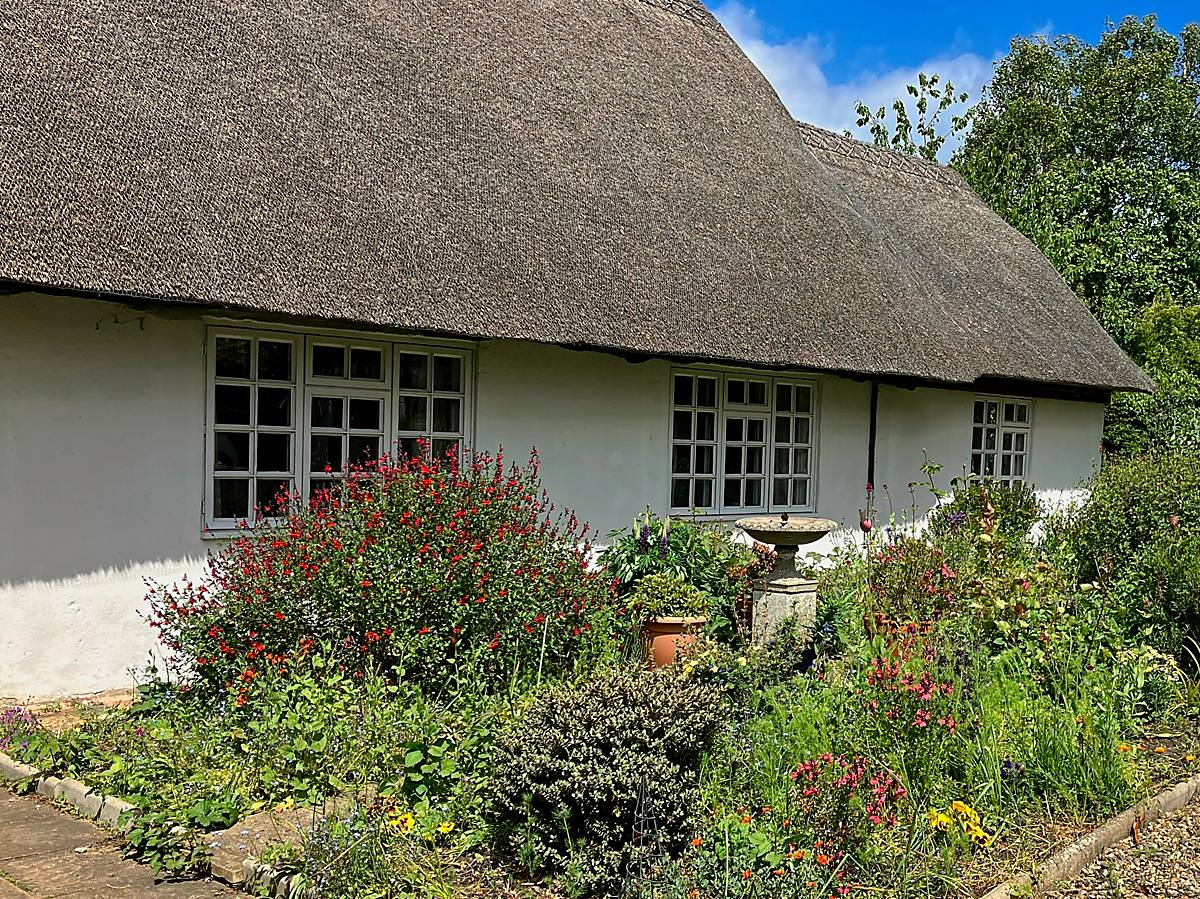
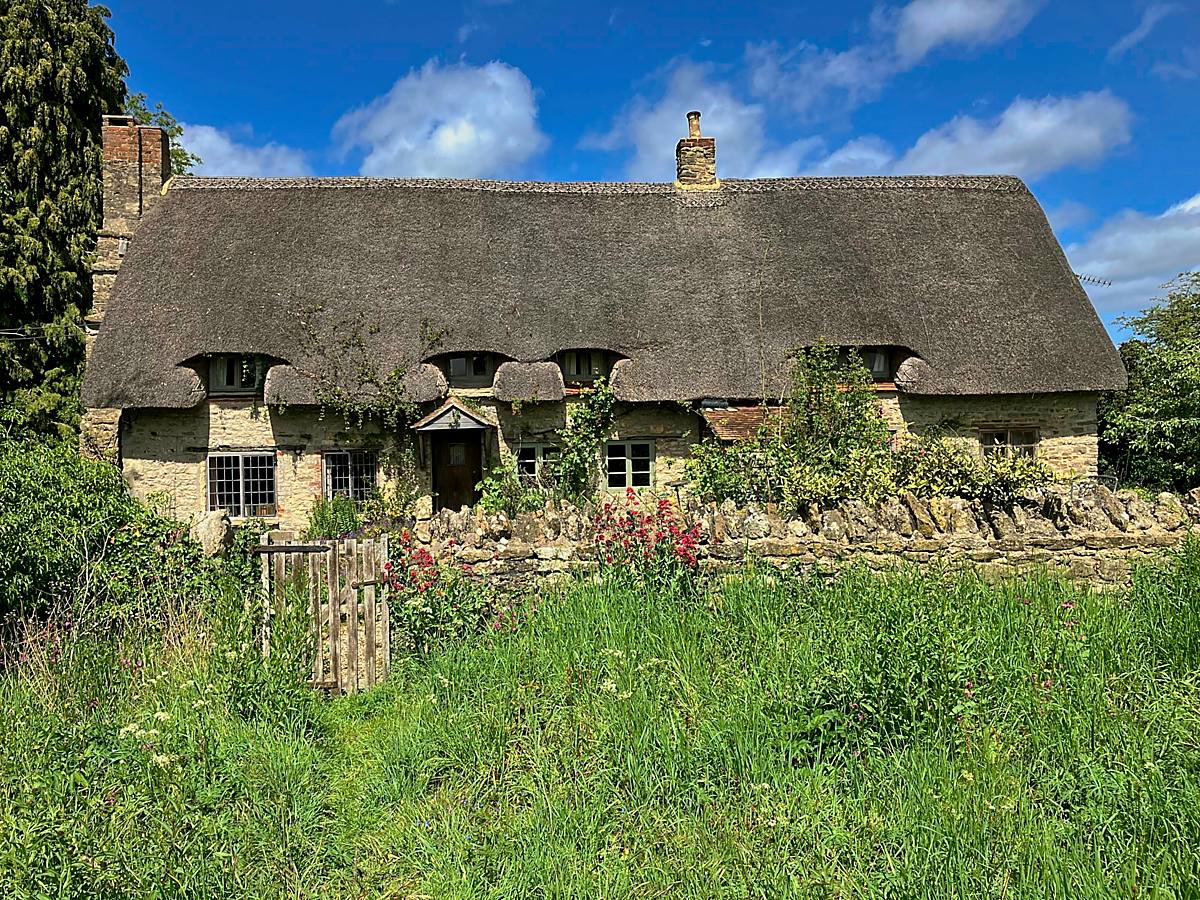
    Cumnor itself is a quiet, small village: two pubs, the Bear and Ragged Staff and the more traditional Vine, a post office doubling as the village shop, a scattering of churches. Thatched cottages sit alongside brick farmhouses, with open fields running out in almost every direction, laced with paths that go for miles (and much loved by my corgi Nell). I live in one of the newer developments, a five-minute walk from the centre, on Robsart Place, and think of Amy every time I see a sign.

  • Highgate Cemetery

    Highgate Cemetery

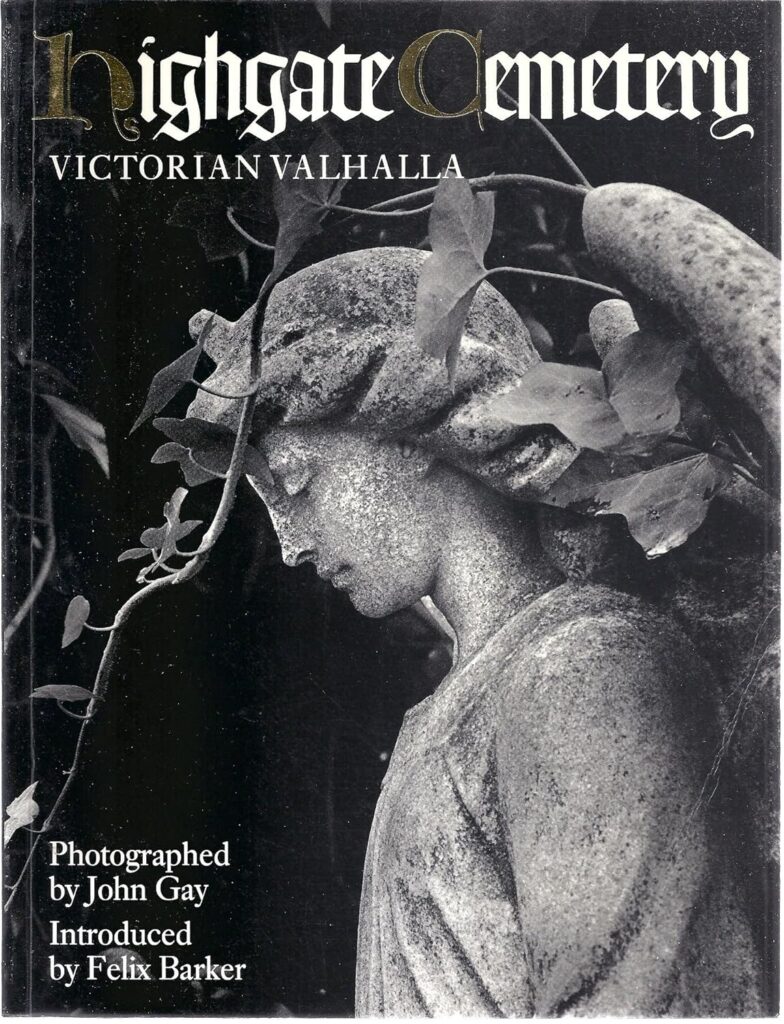
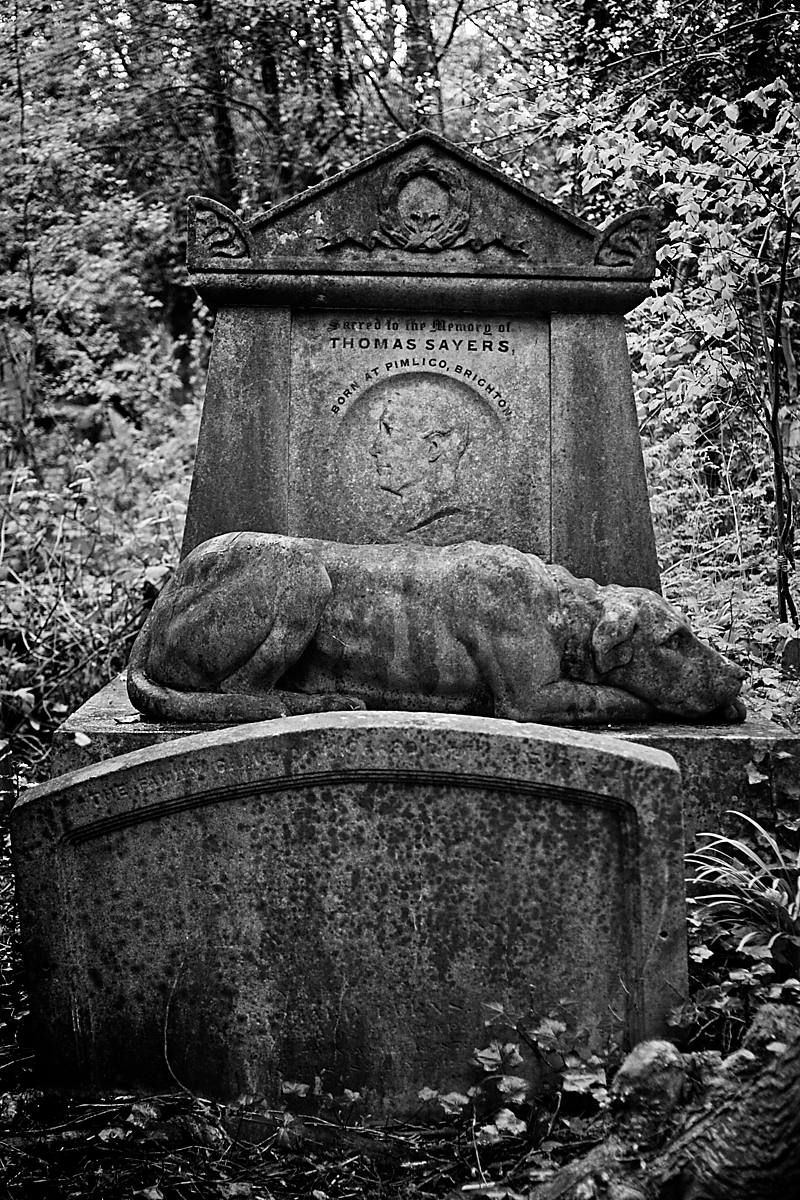
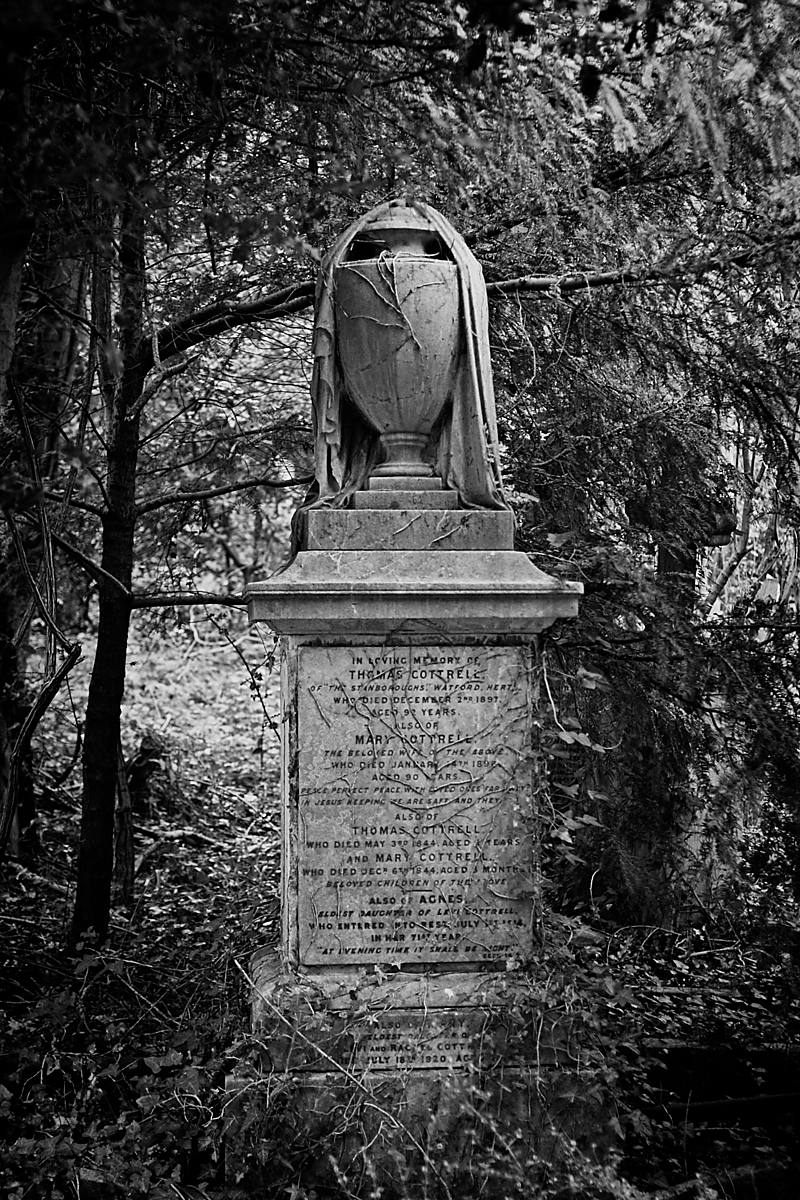
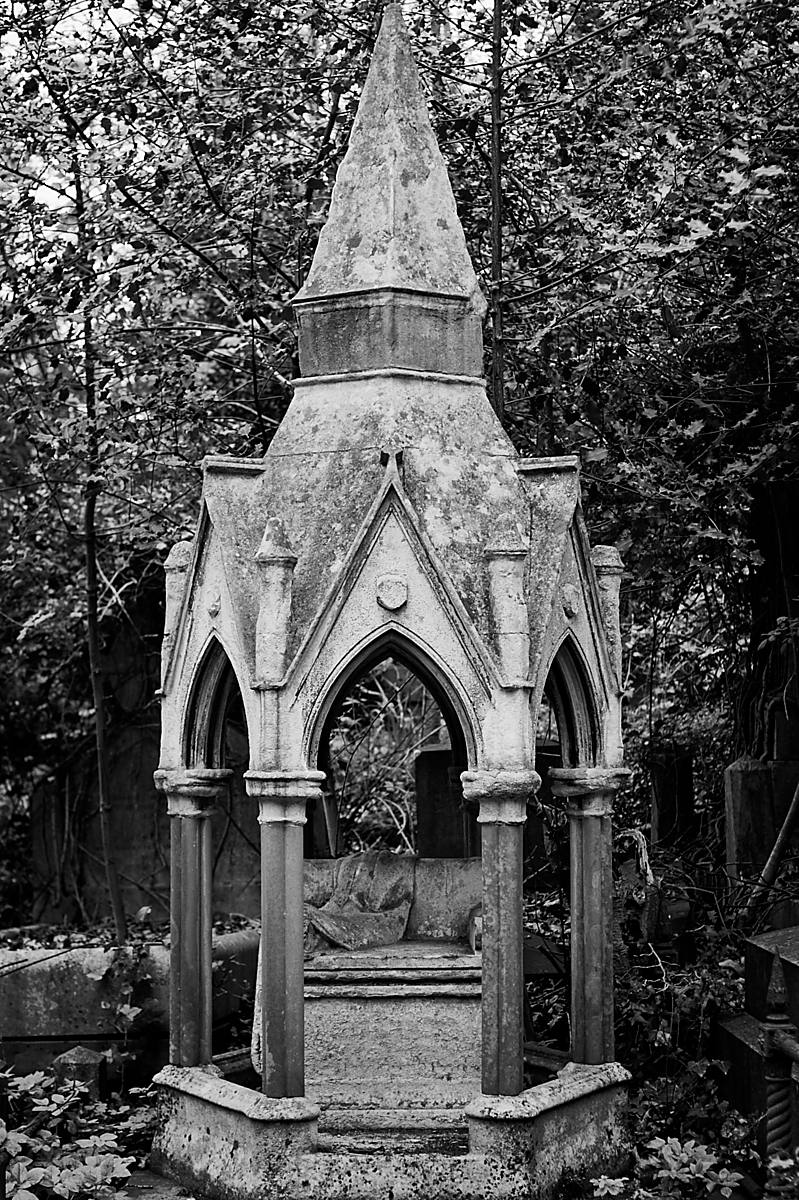
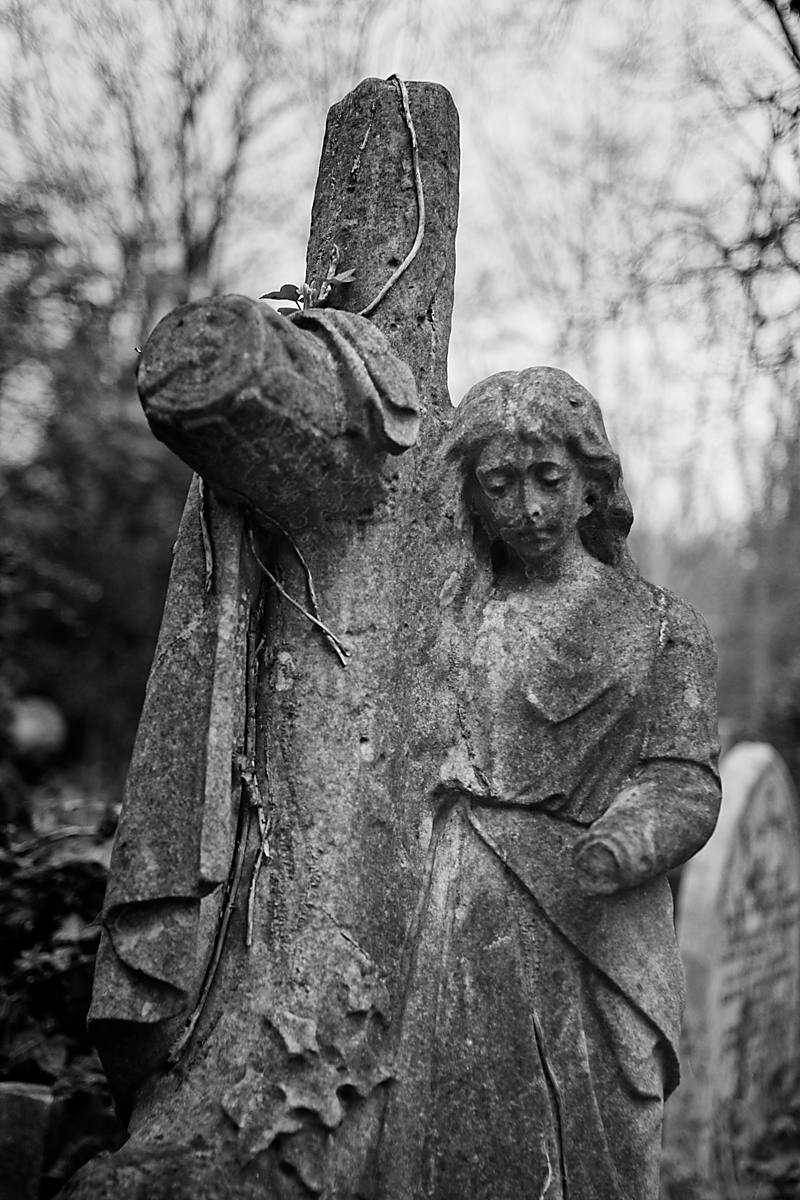
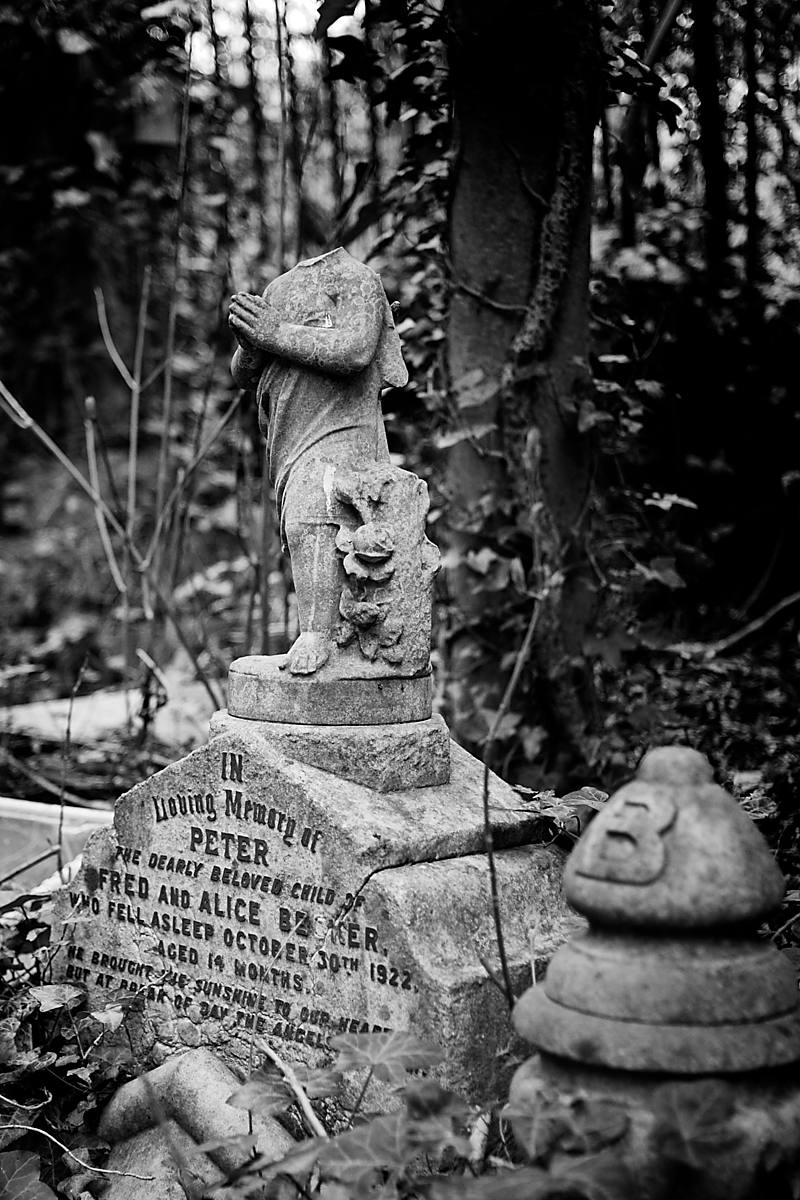
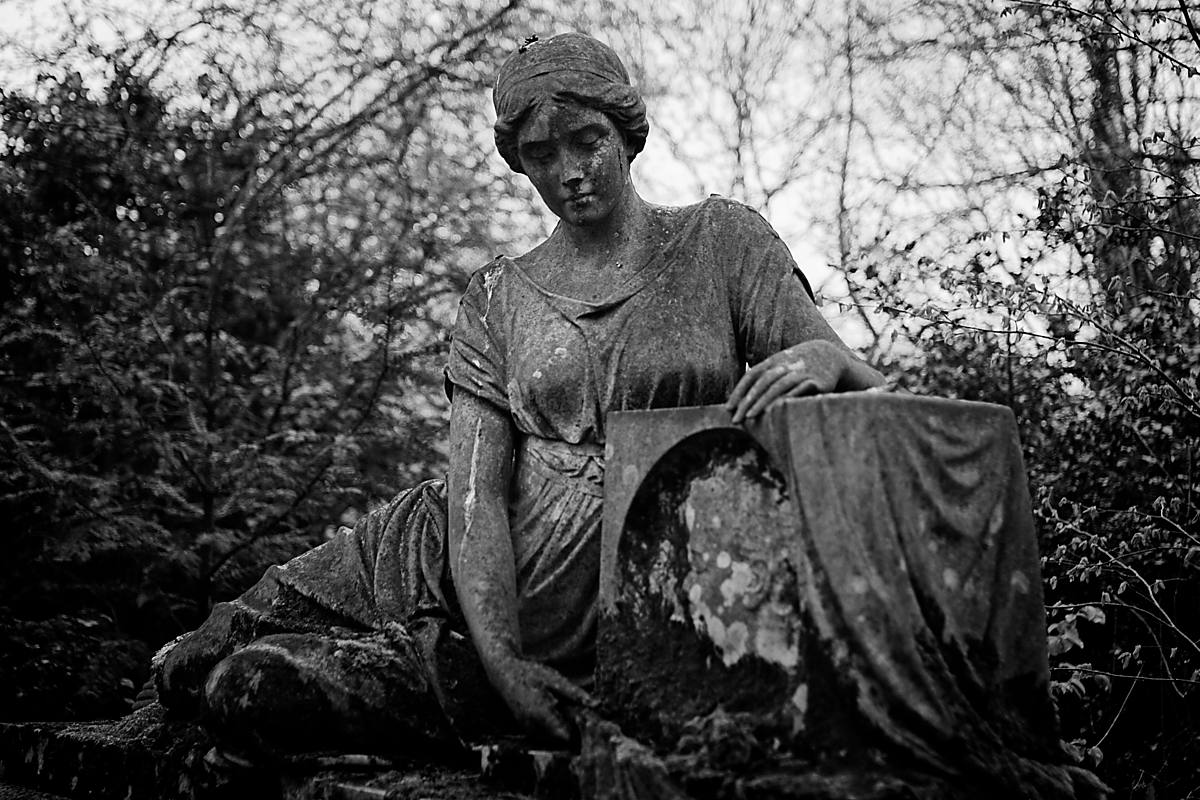
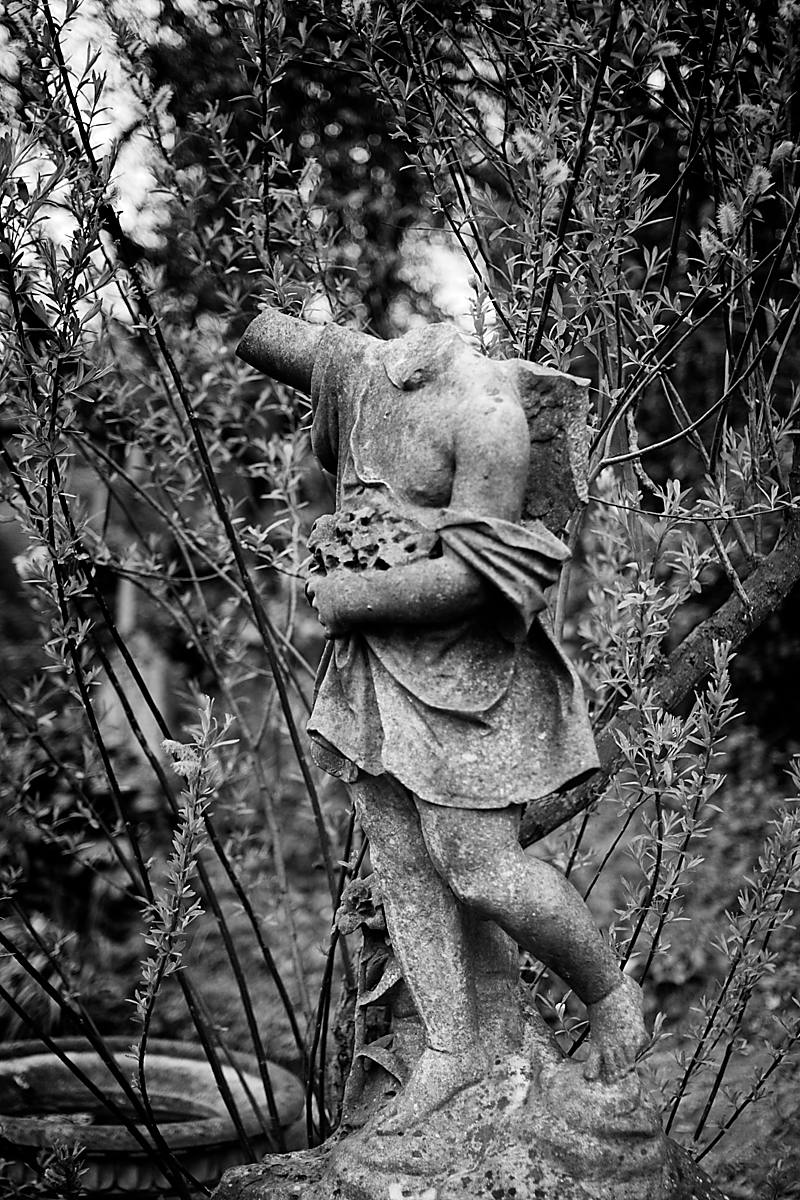
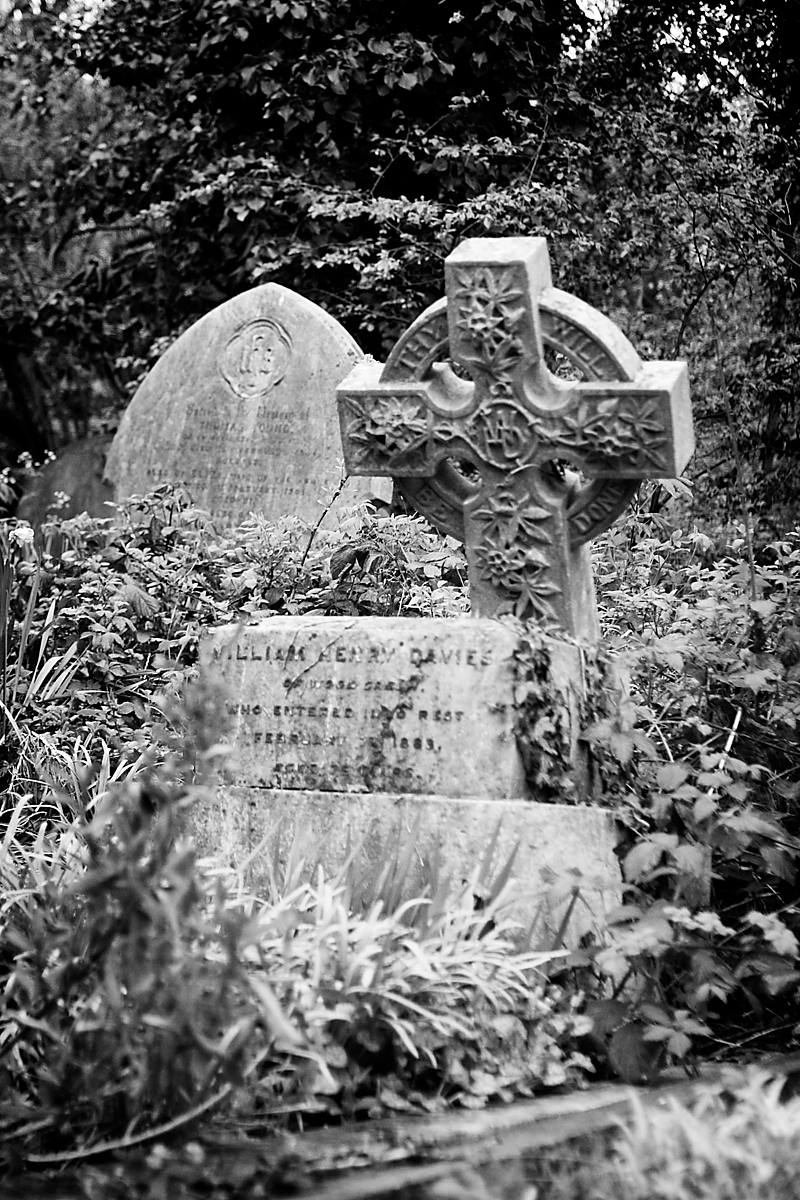
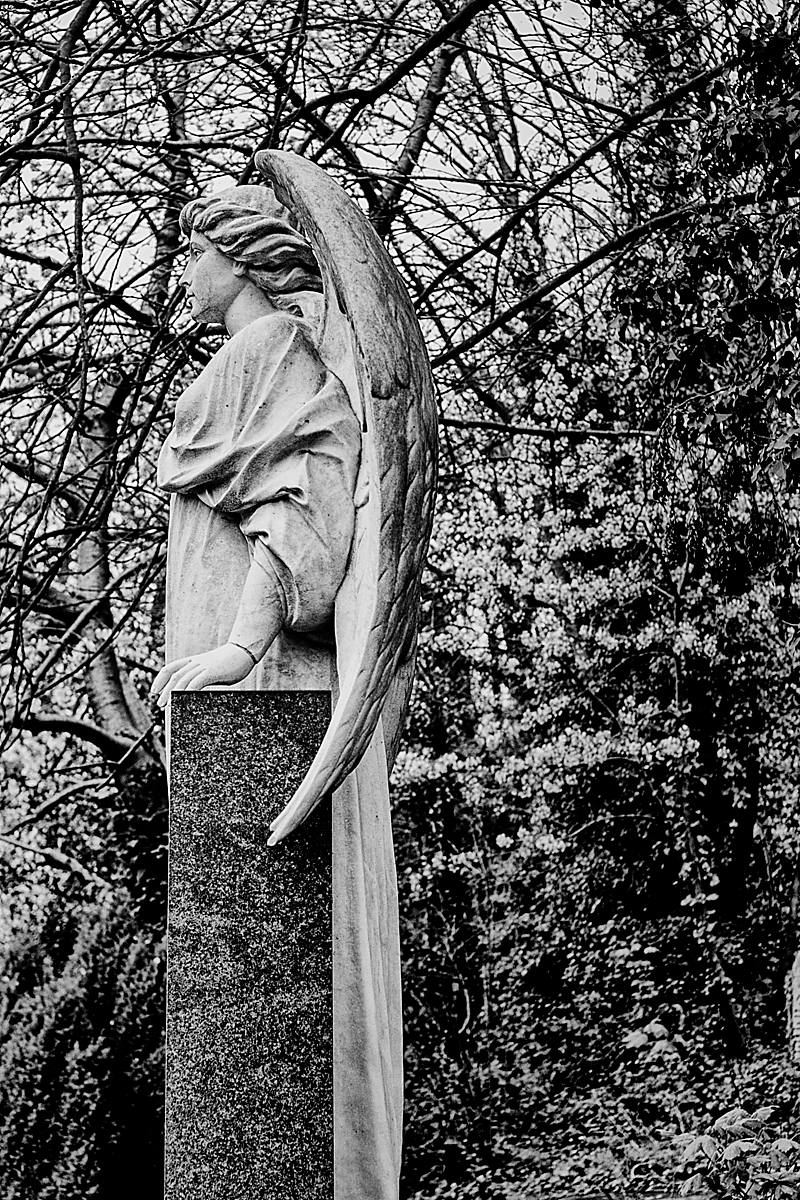
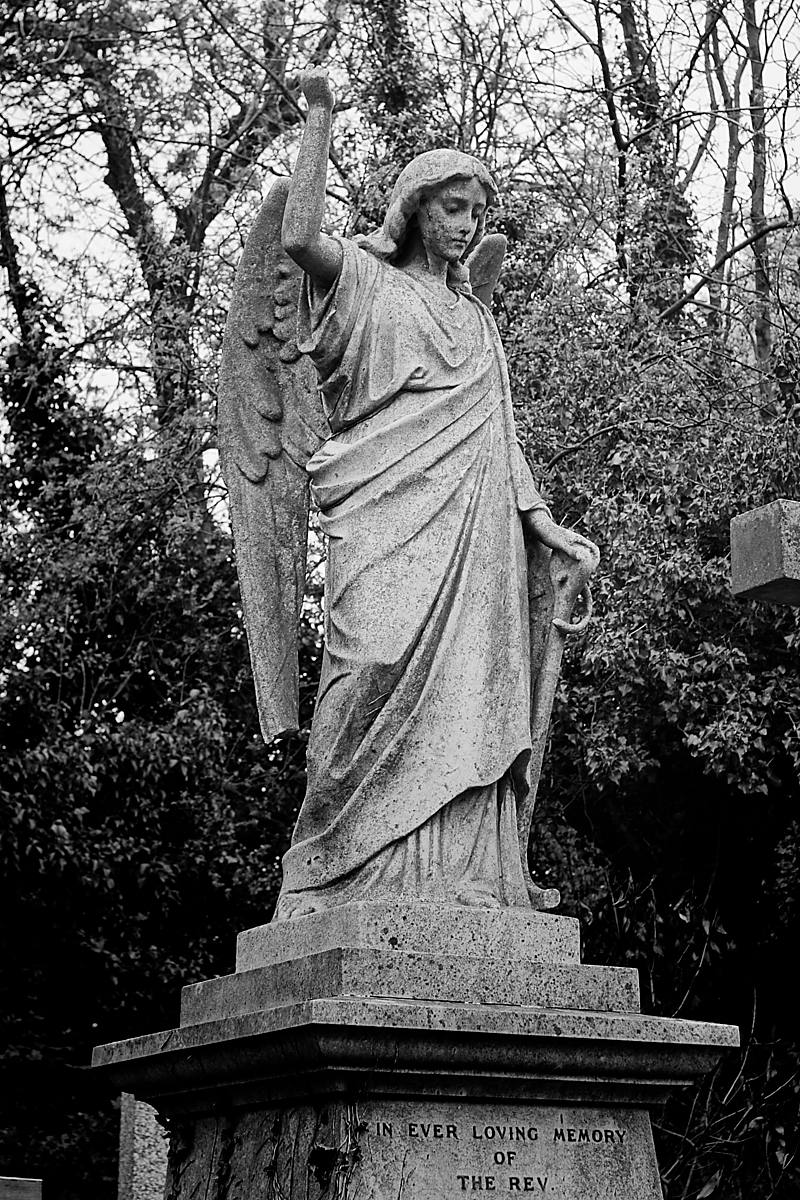
    Many years ago whilst living in San Francisco, I found a book from the 1980s called “Highgate Cemetery: Victorian Valhalla”, The book was filled with photos of what appeared to be a completely overgrown, if not somewhat abandoned cemetery in London. I fell in love.

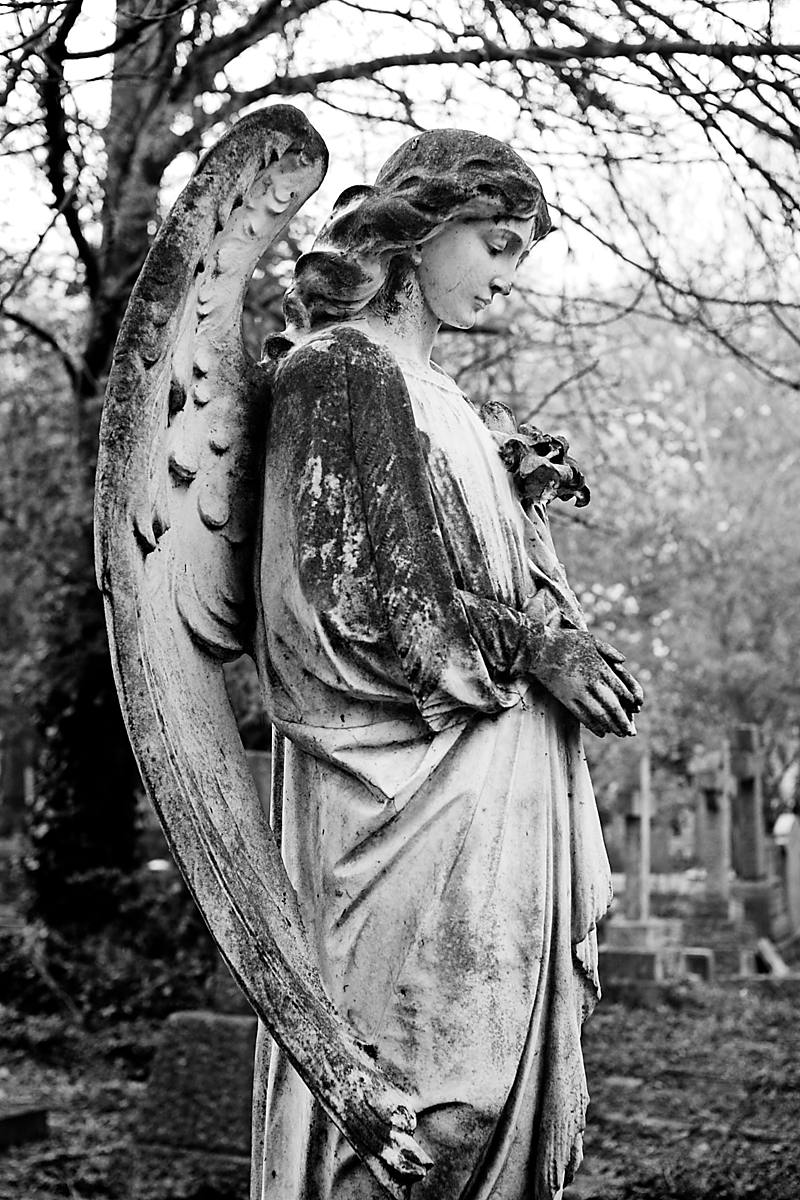
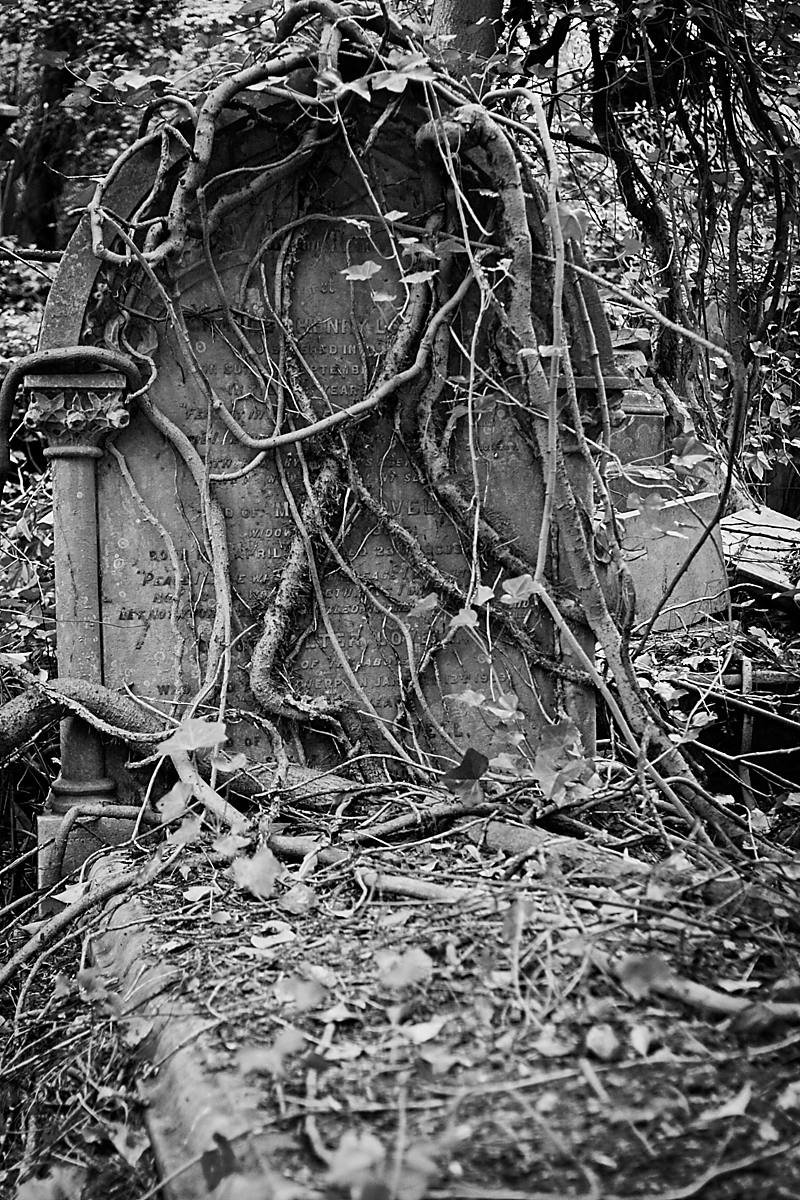
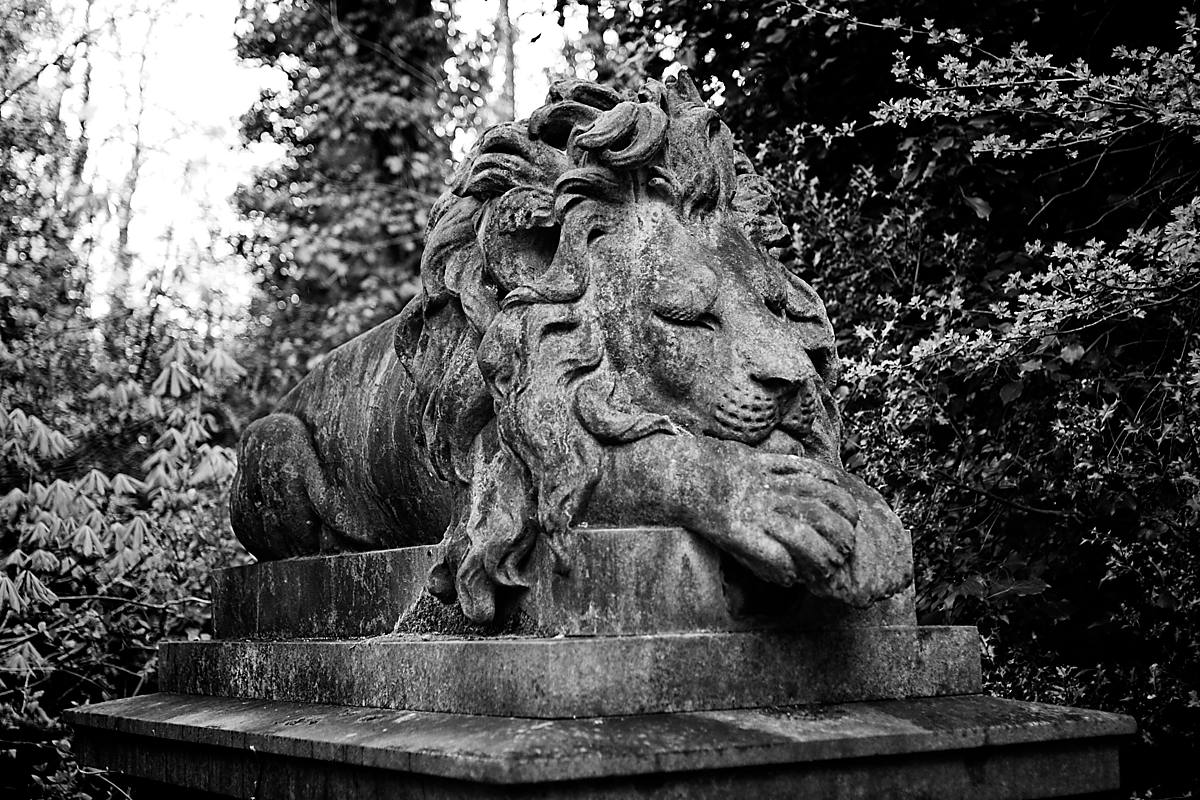
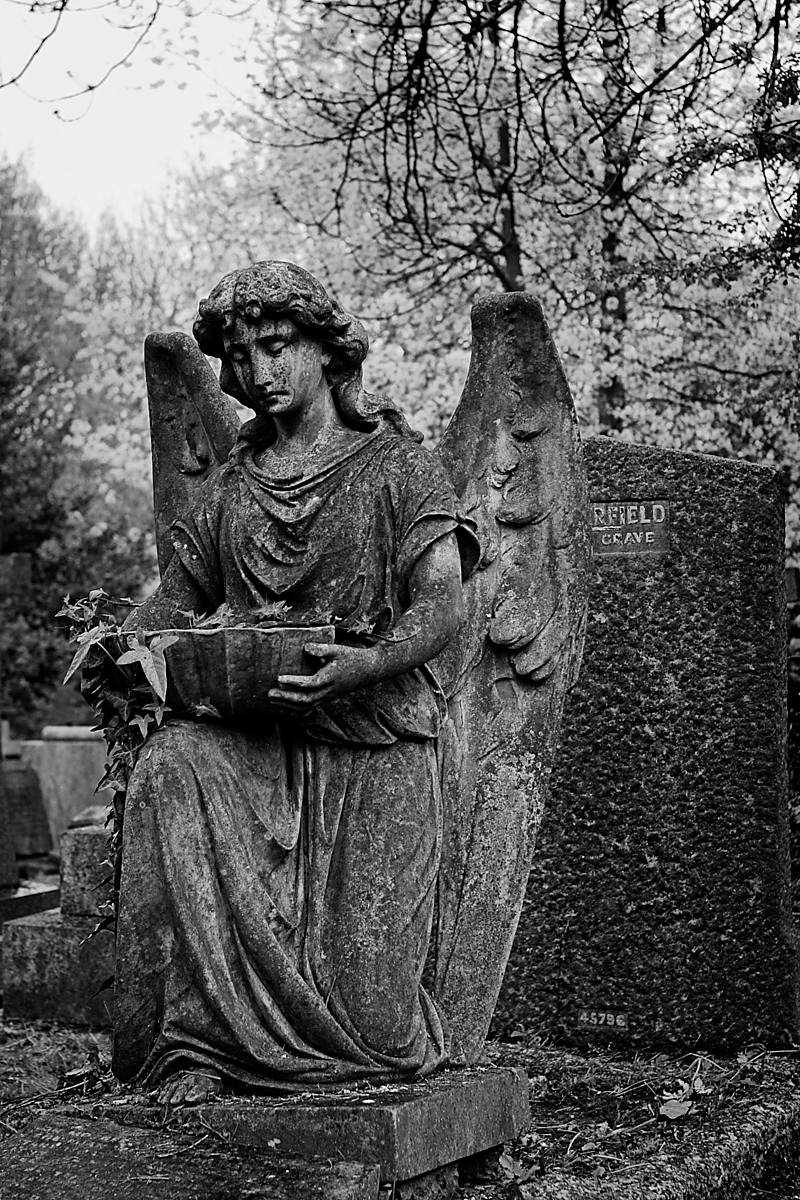
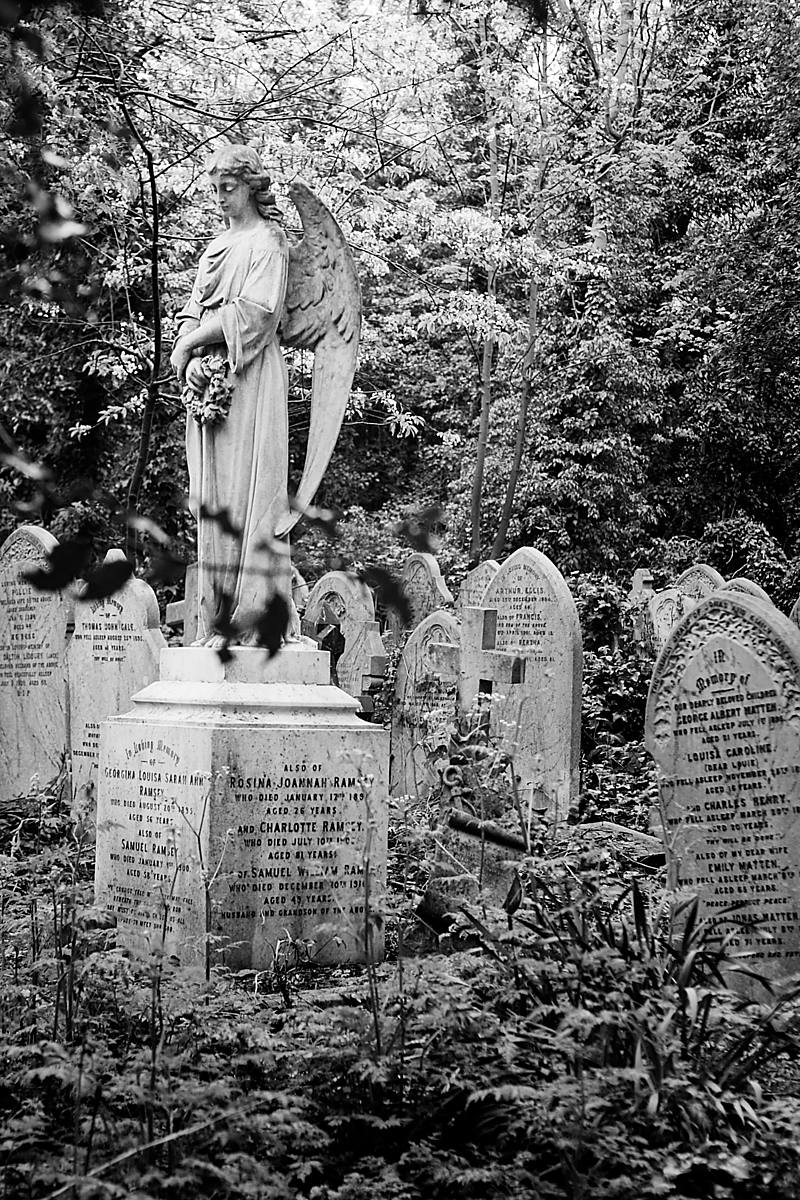
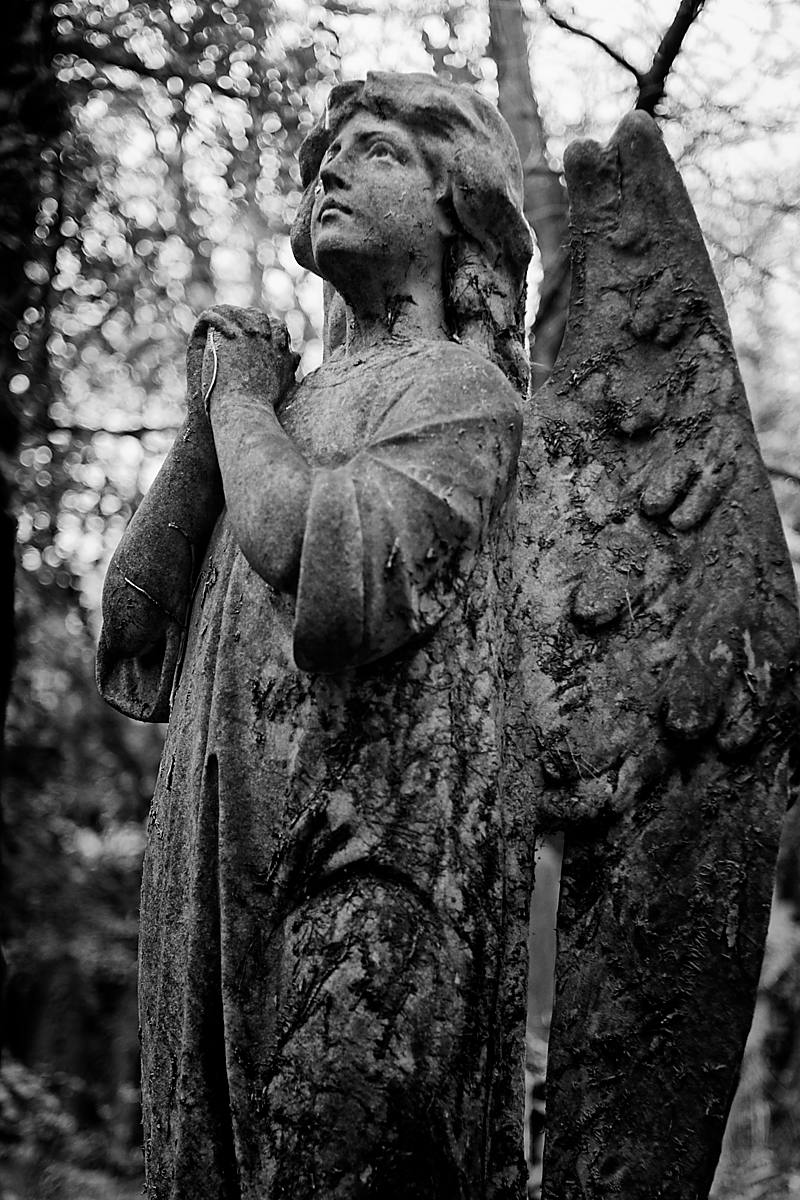
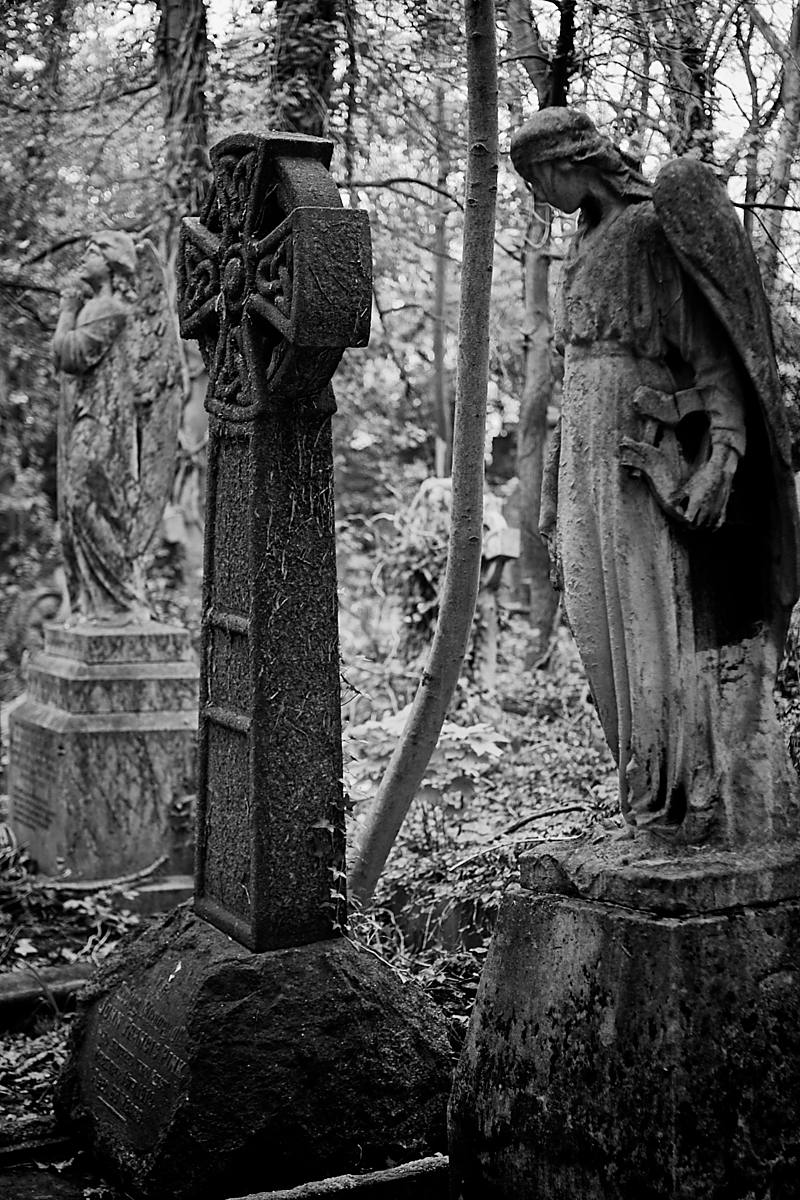
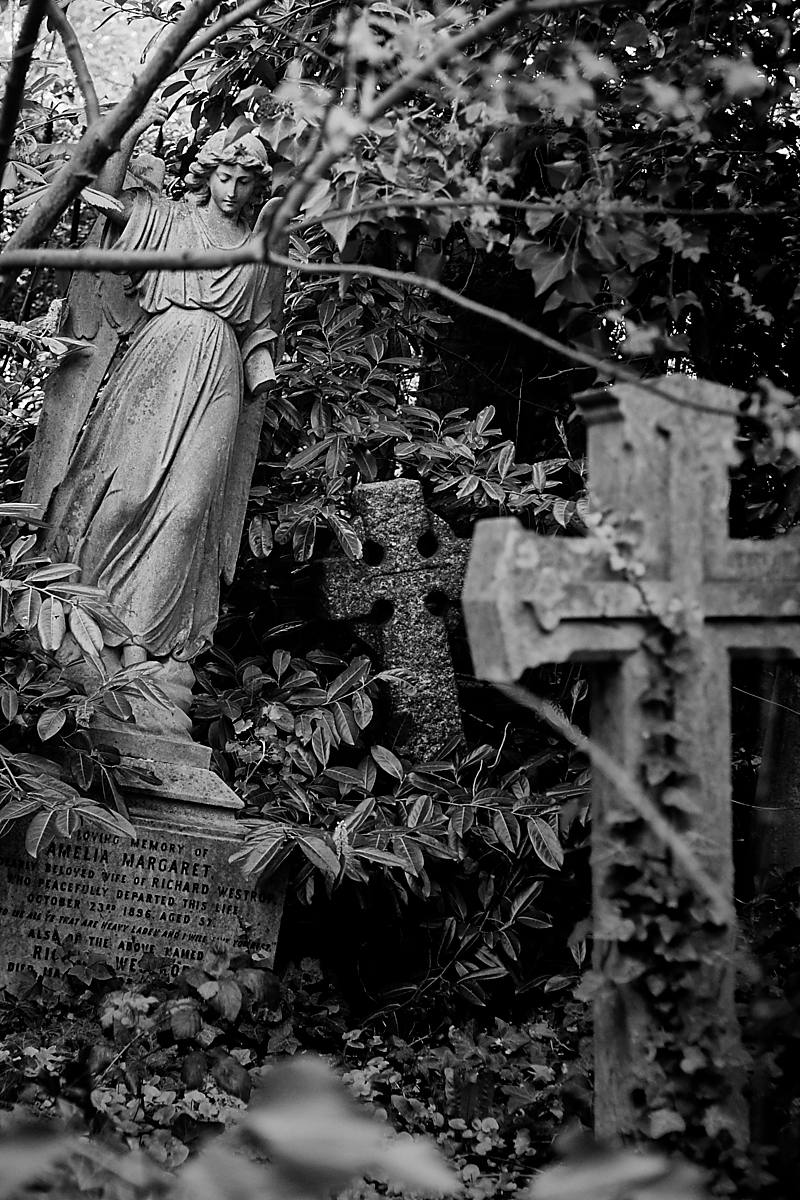
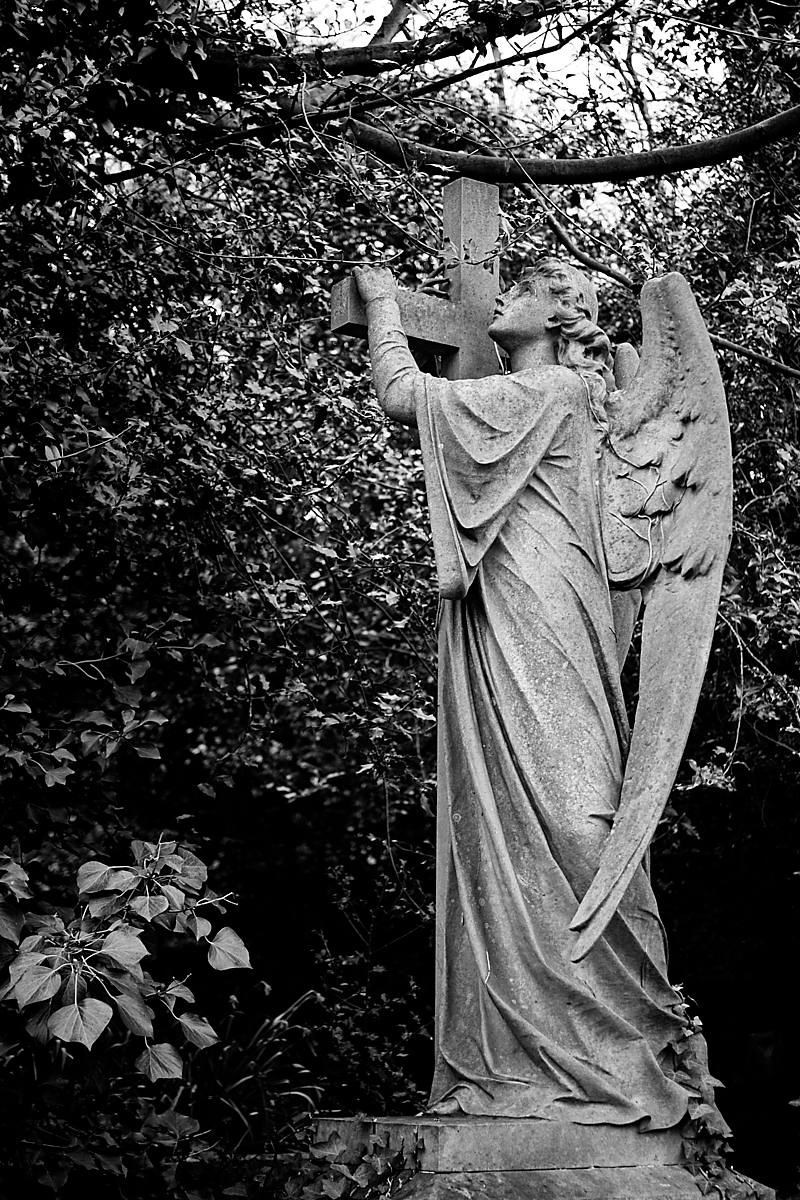
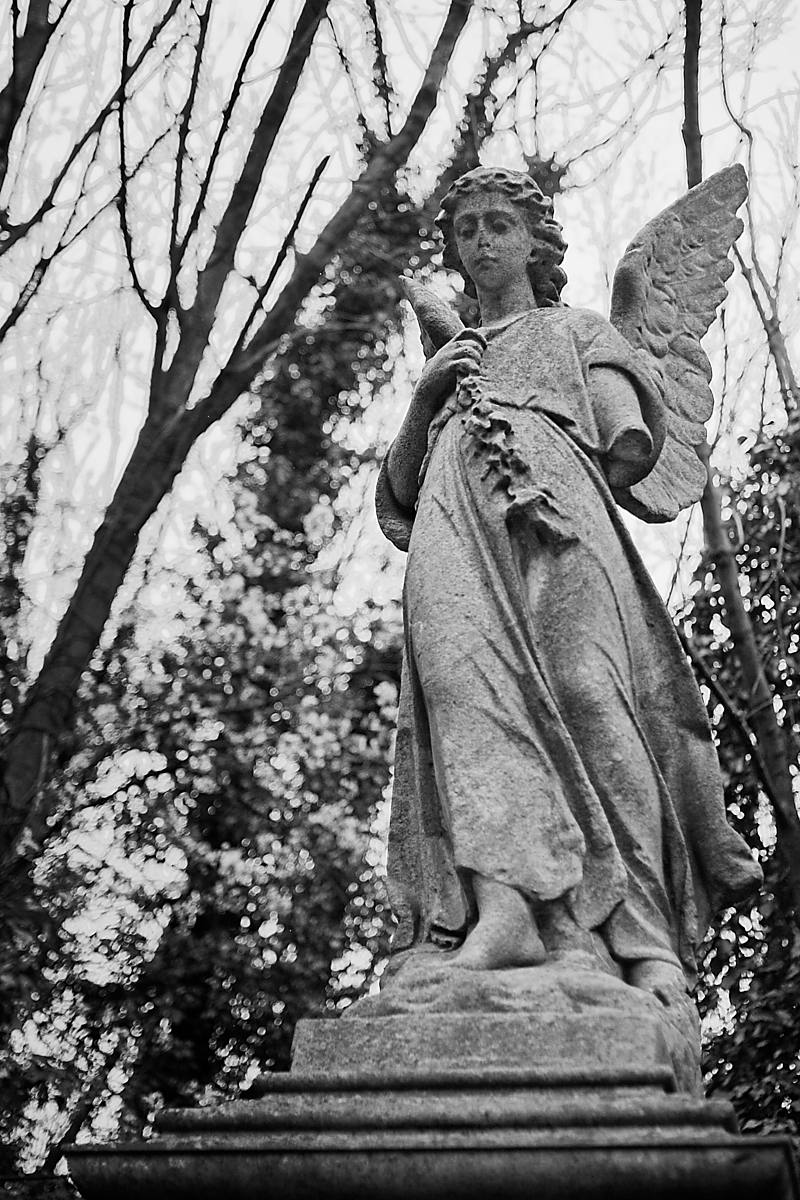
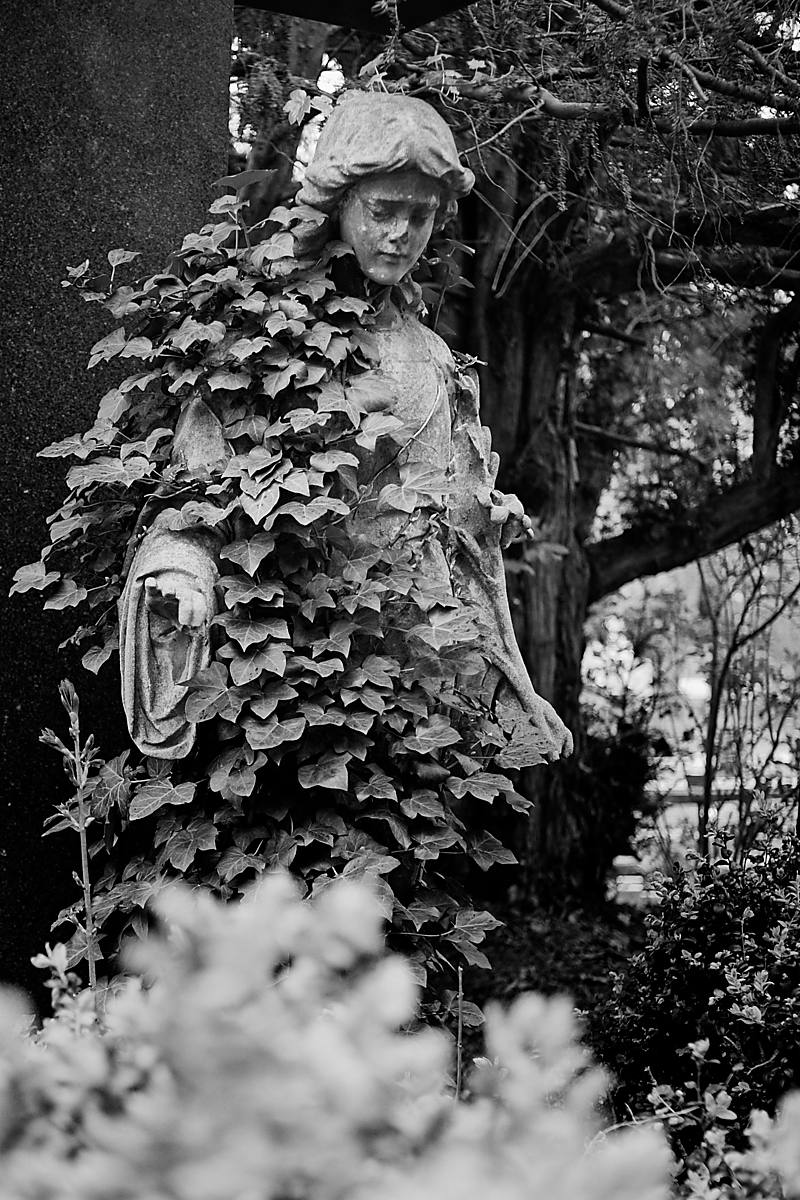
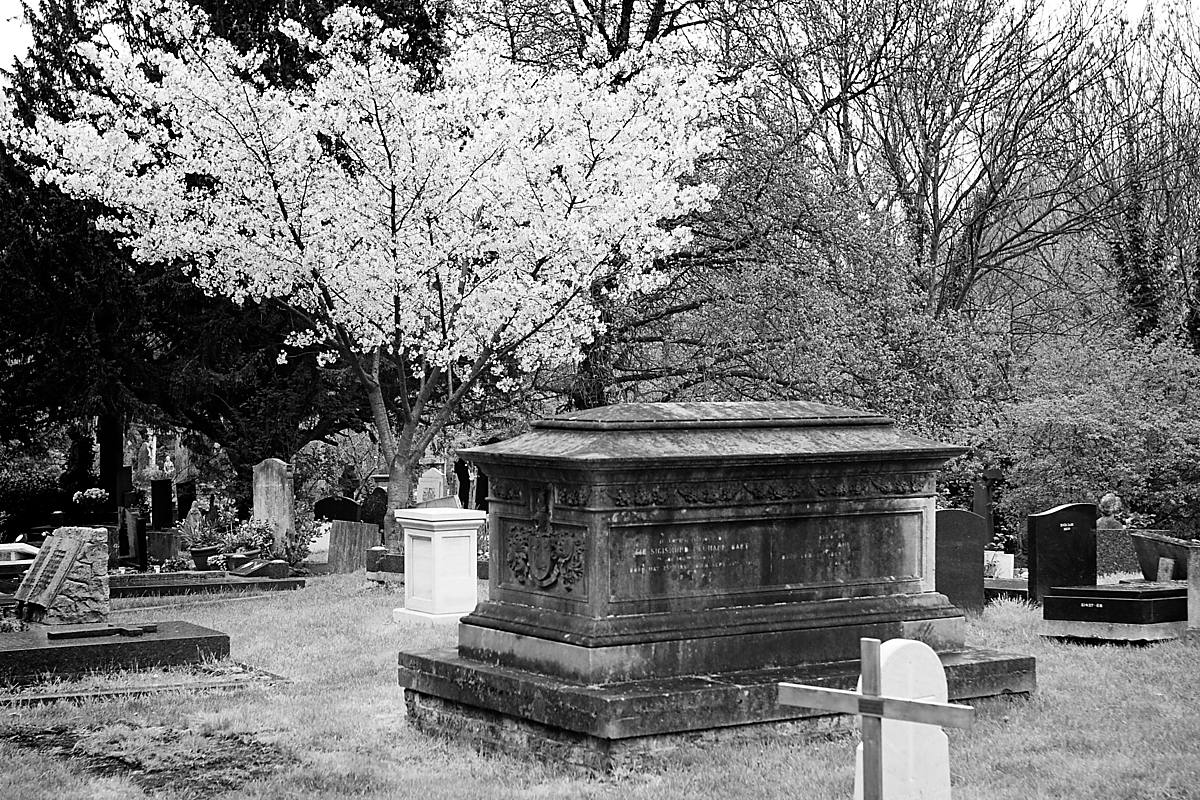
    On my first visit to London, I knew I had to visit. It was clear that more care had been put into the gardens than when the photos were taken for the book, but there was still very much the feeling of wild abandon and magical wonder. The many angels were still well represented everywhere, clearly the favourite theme the Victorians who created this wonderland, but there were so many curious and heartfelt themes as well.

    Opened in 1839 in North London, the cemetery quickly became the fashionable place to spend one’s afterlife. It was particularly popular during the Gothic Revival fad of the time, so many of the approximately 53,000 graves purposely borrow from the style, but some later architecture favours other trends like Egyptian Revival and the Modernist movement. Much of it reads today as probably a bit too over-sentimental, but it’s balanced with the “wabi-sabi” aesthetic of the “beauty of decay” and things past their prime.

    Opening hours change depending on the season, but Highgate is open most days of the year and well worth a visit just to get a glimpse into the Victorian view of not only the proper approach to death, but the preferred attitude towards what makes a good life.

  • St Ethelwold’s House and Garden

    St Ethelwold’s House and Garden

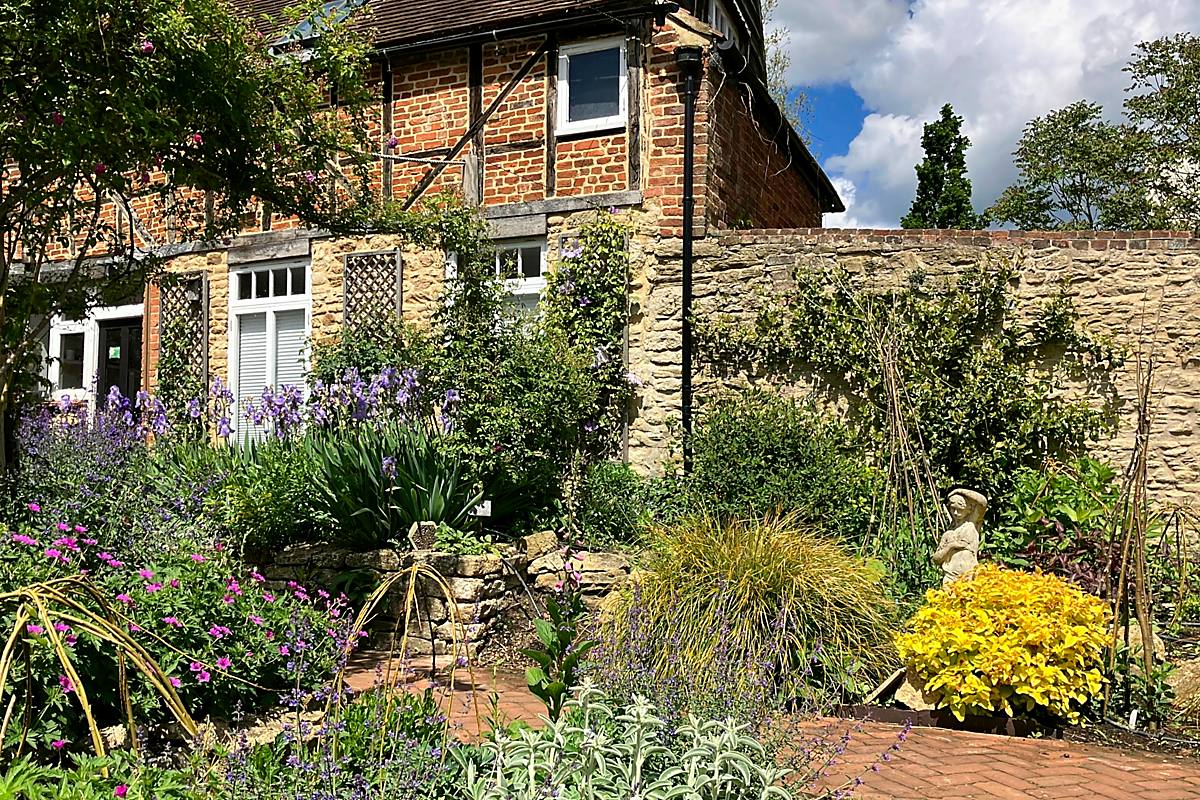
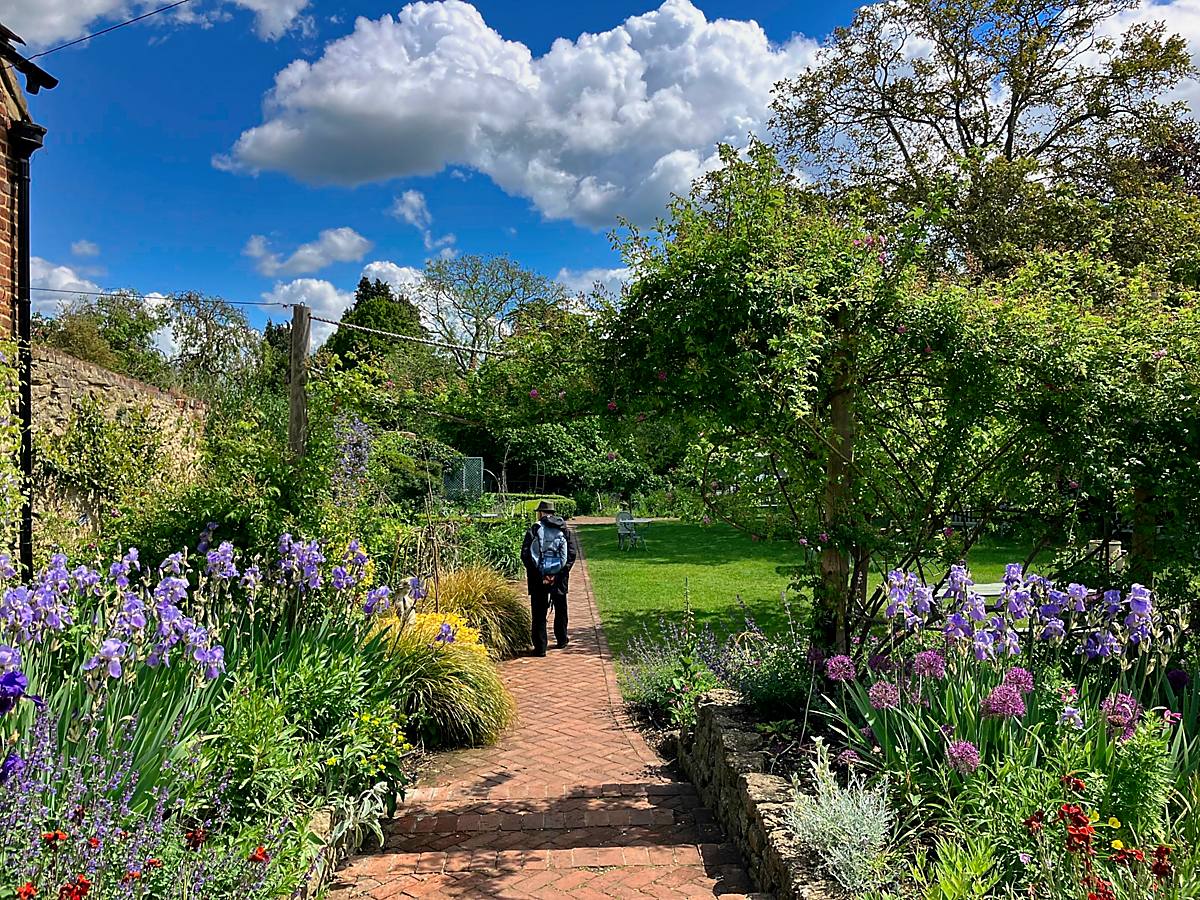
    Just south of Oxford is the town of Abingdon on Thames, home of St Ethelwold’s House and Garden. When I was studying English Local History at the Oxford University Department of Continuing Education, I went down to Abingdon to research an unusual piece of stained glass in the Church of St Helen. It was then that I first noticed St Ethelwold’s, a charming looking house just off the Main Street that had notices in the windows advertising upcoming events… yoga, meditation, Quaker silent prayer… it seemed an oasis of spirituality in an otherwise fairly conservative feeling area. I don’t know if I realised there was a garden at the time, but every time I visited Abingdon, I would be sure to walk past St Ethelwold’s.

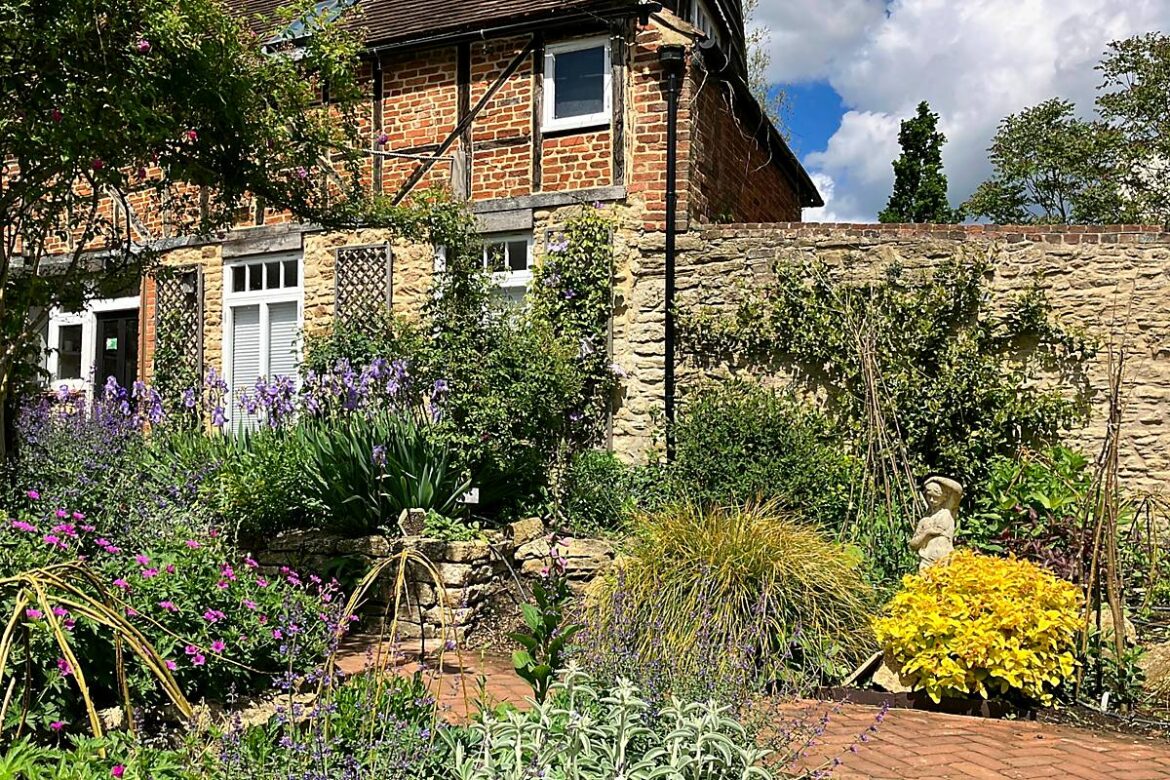
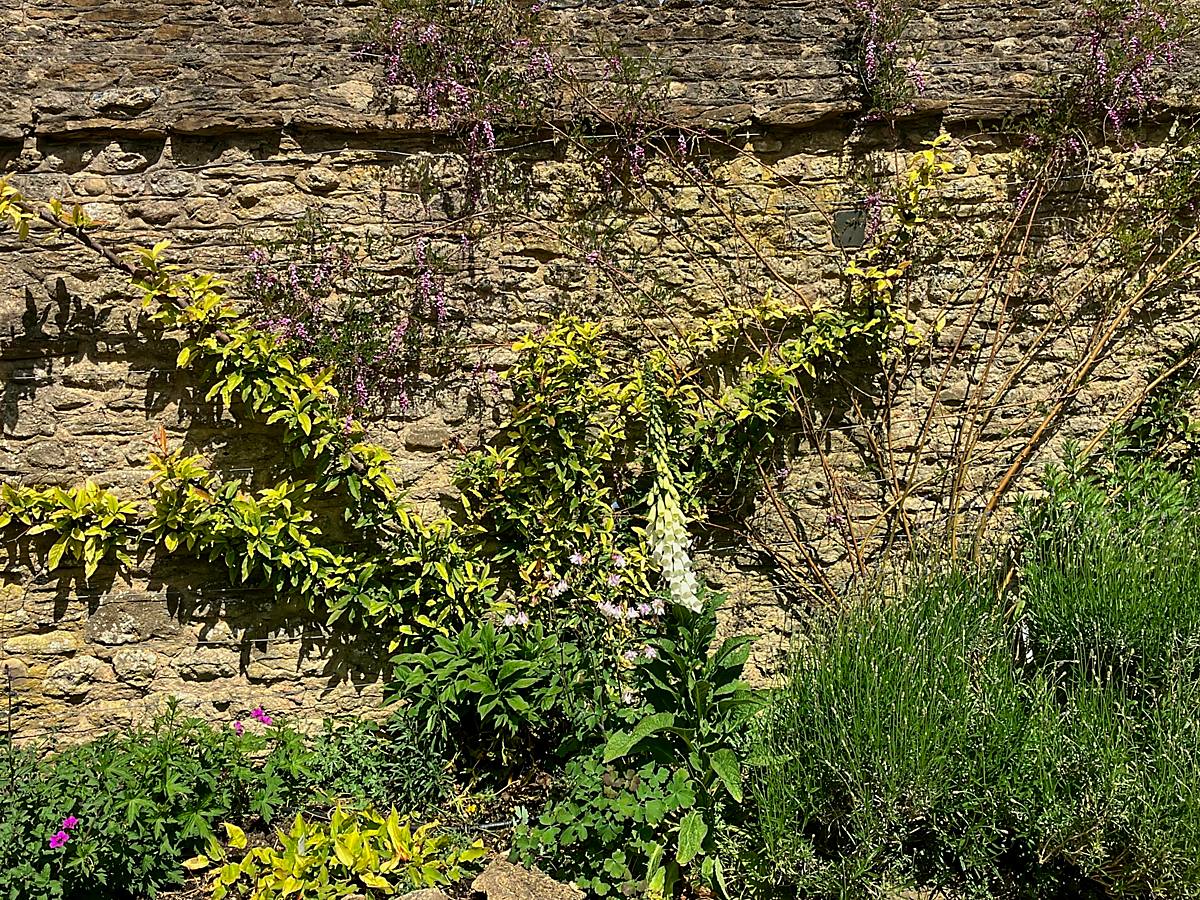
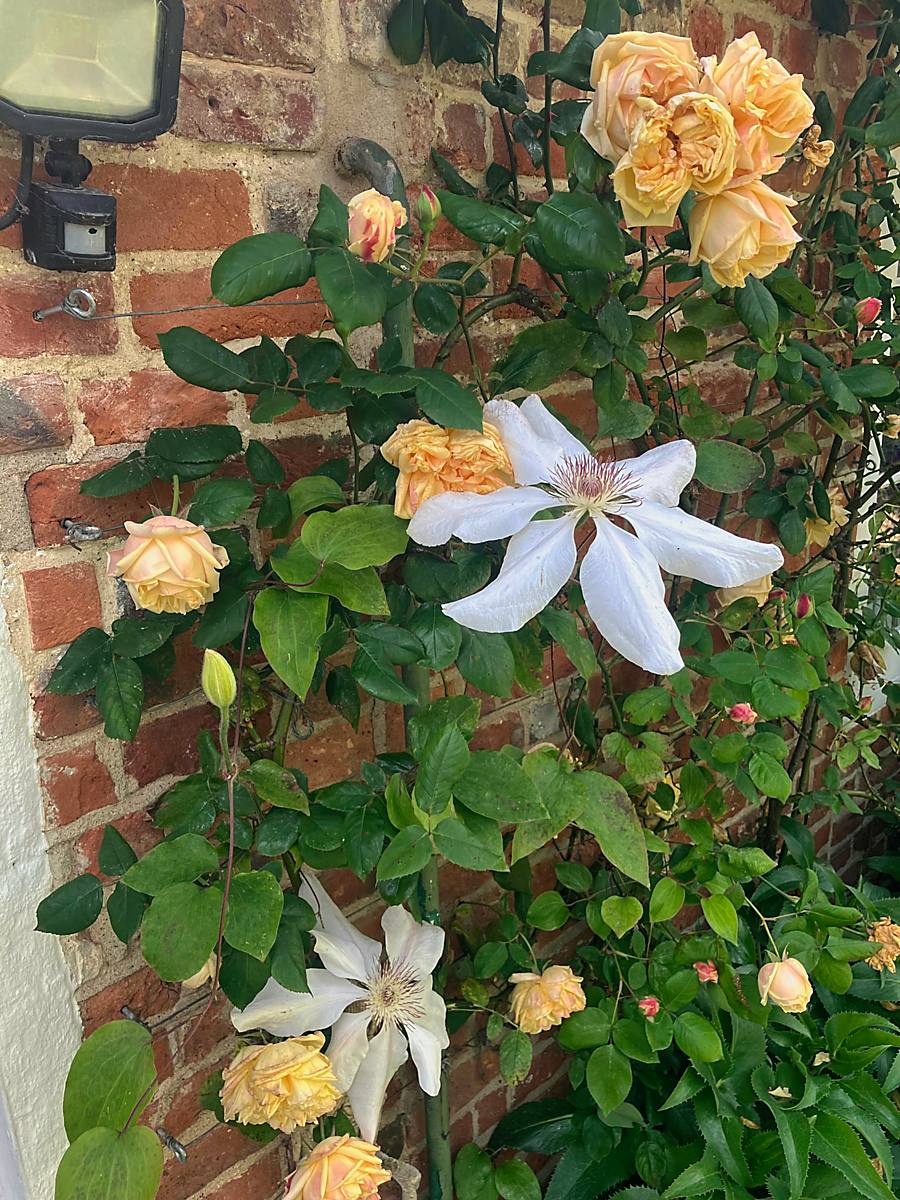
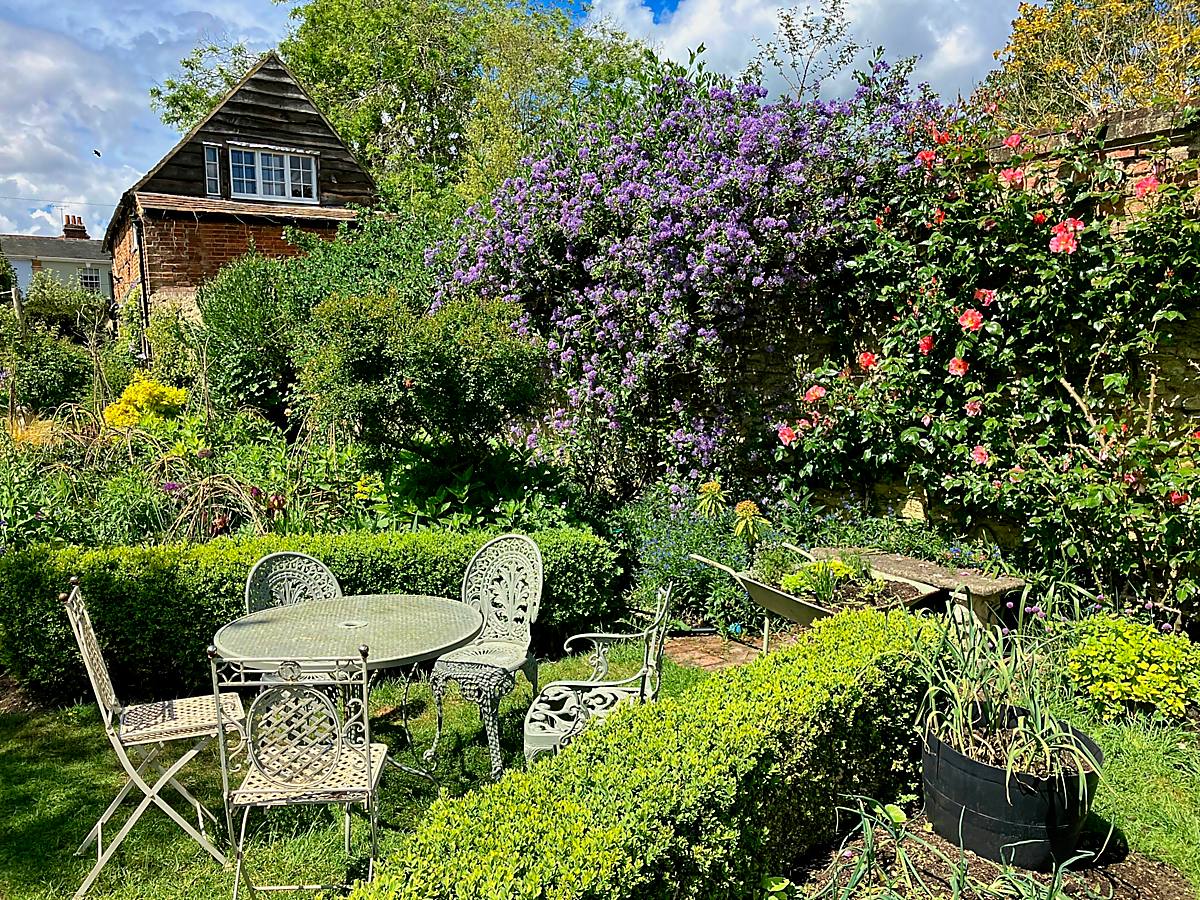
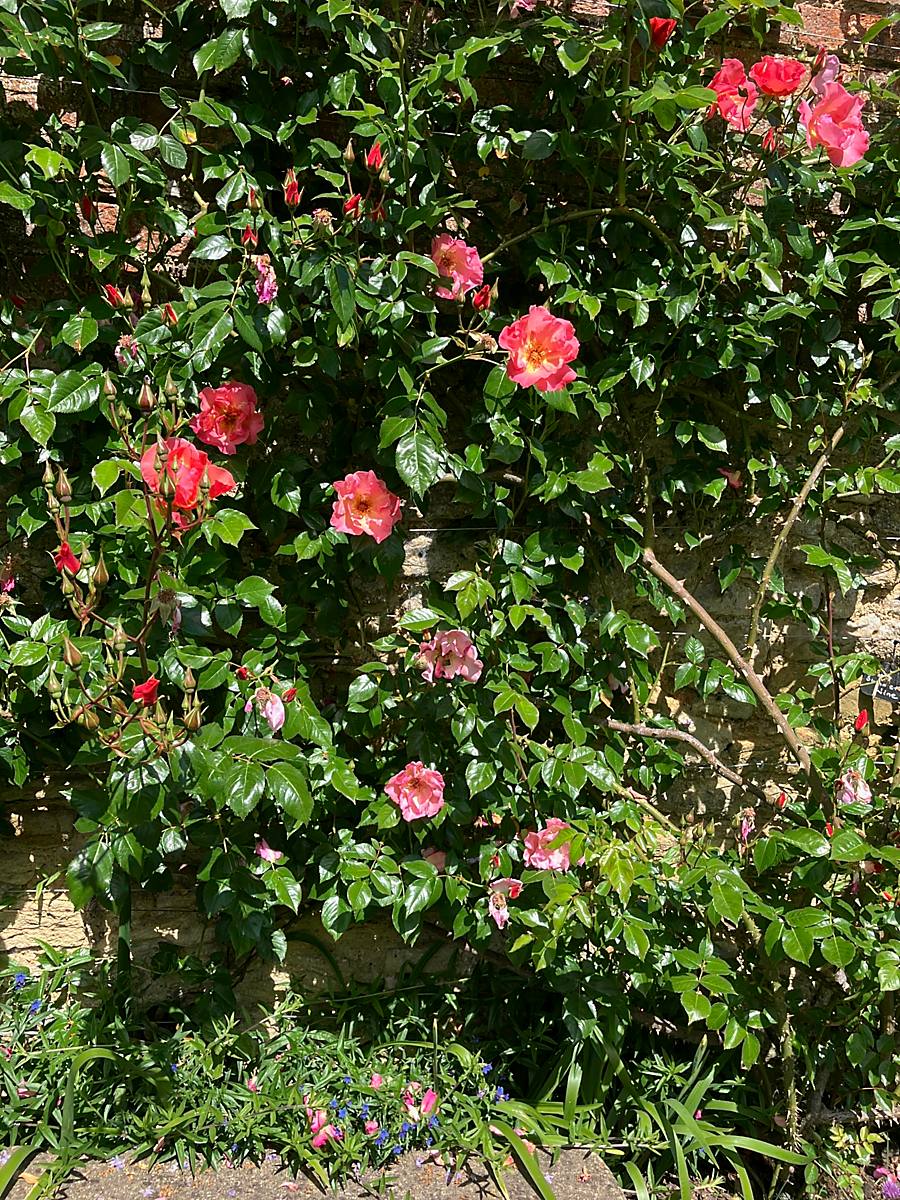
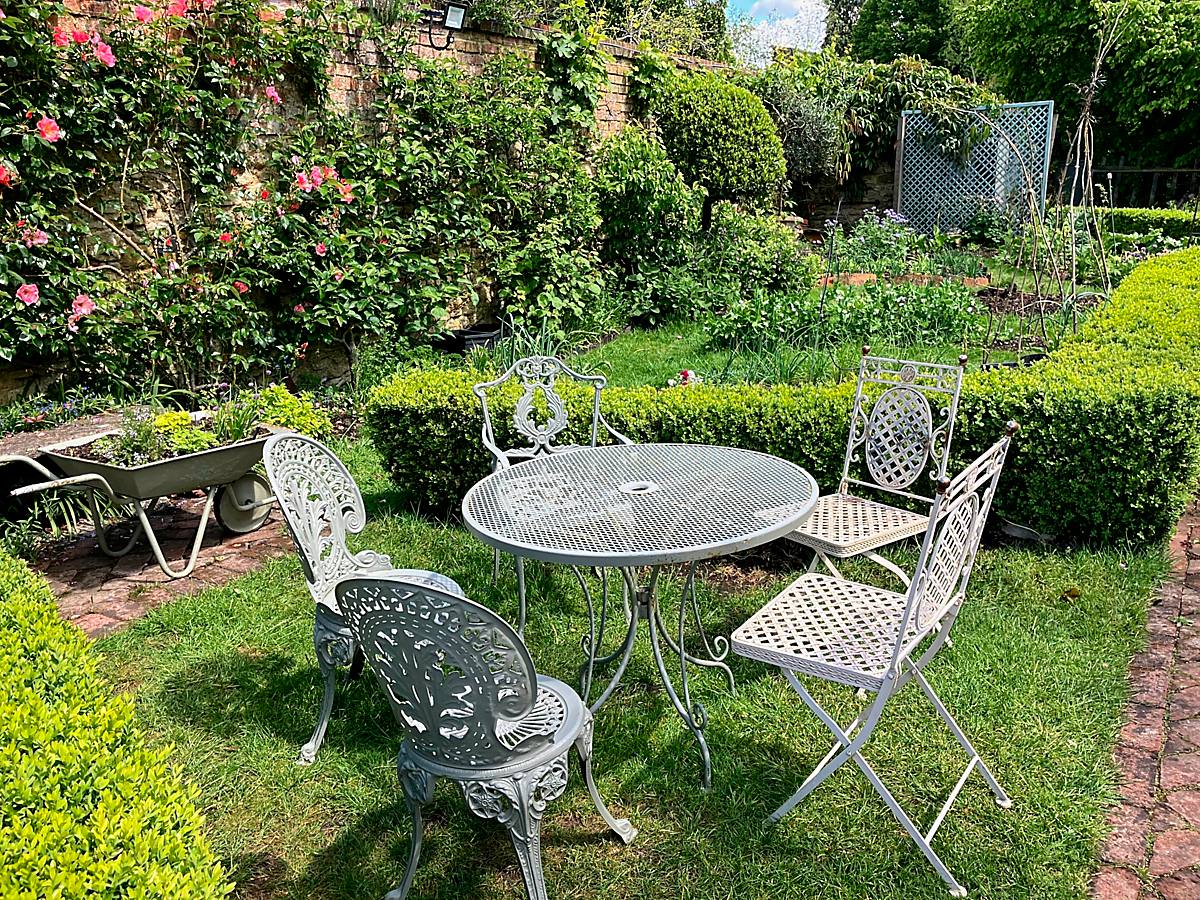
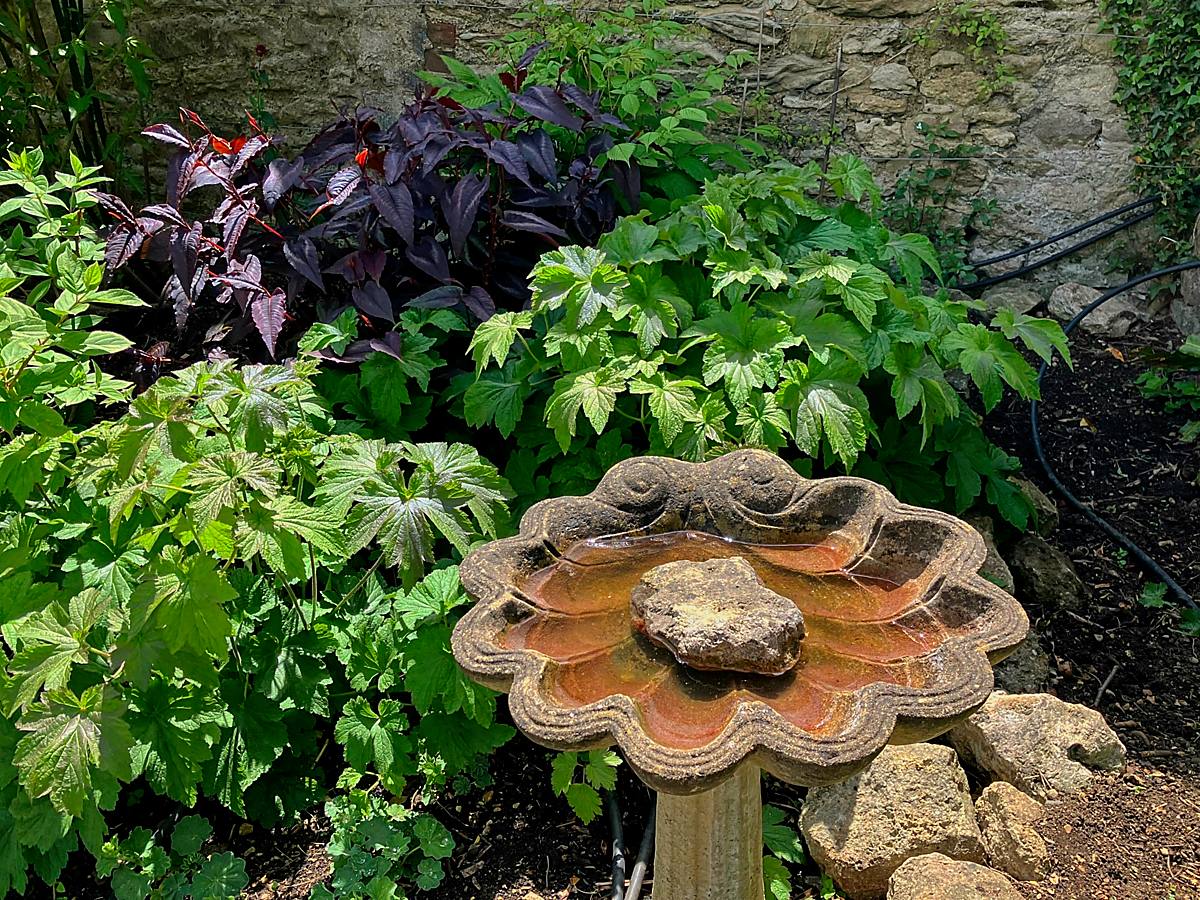
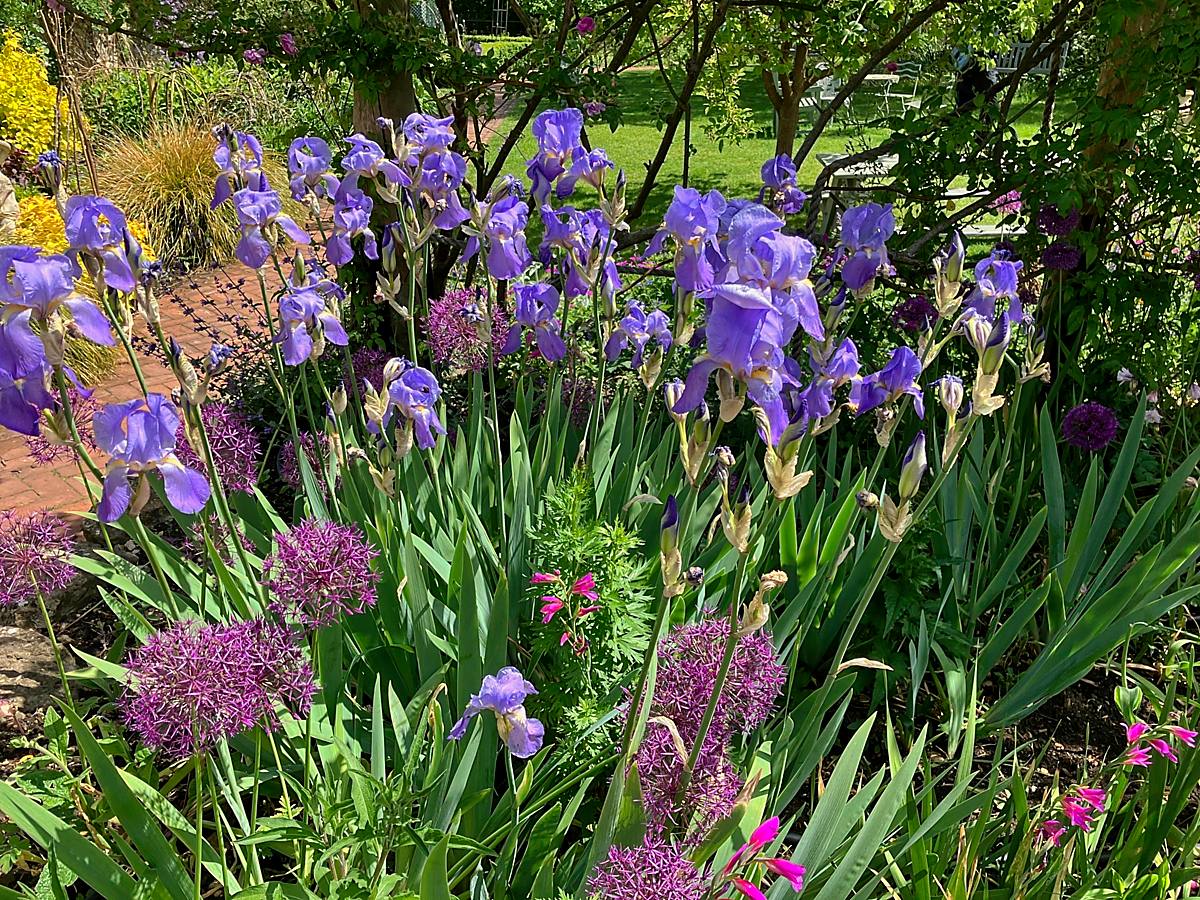
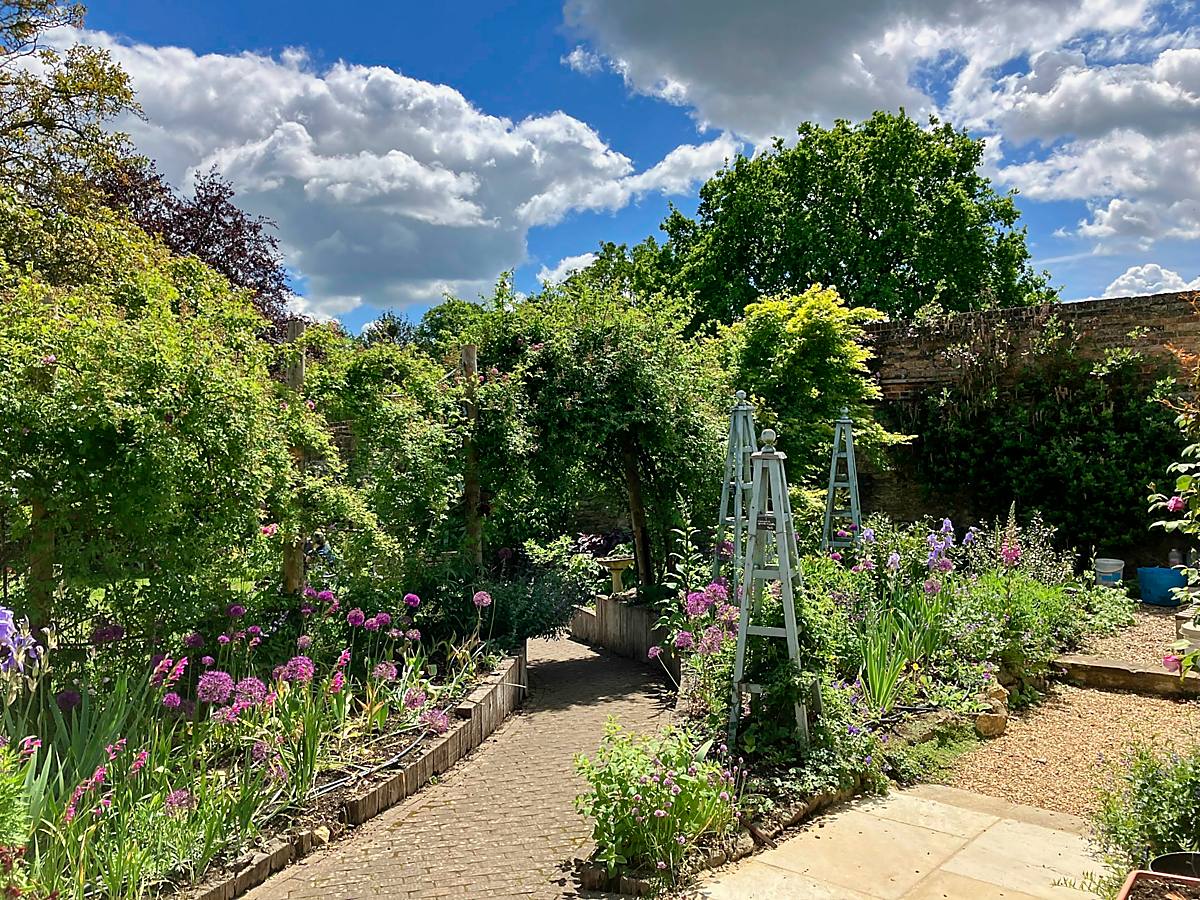
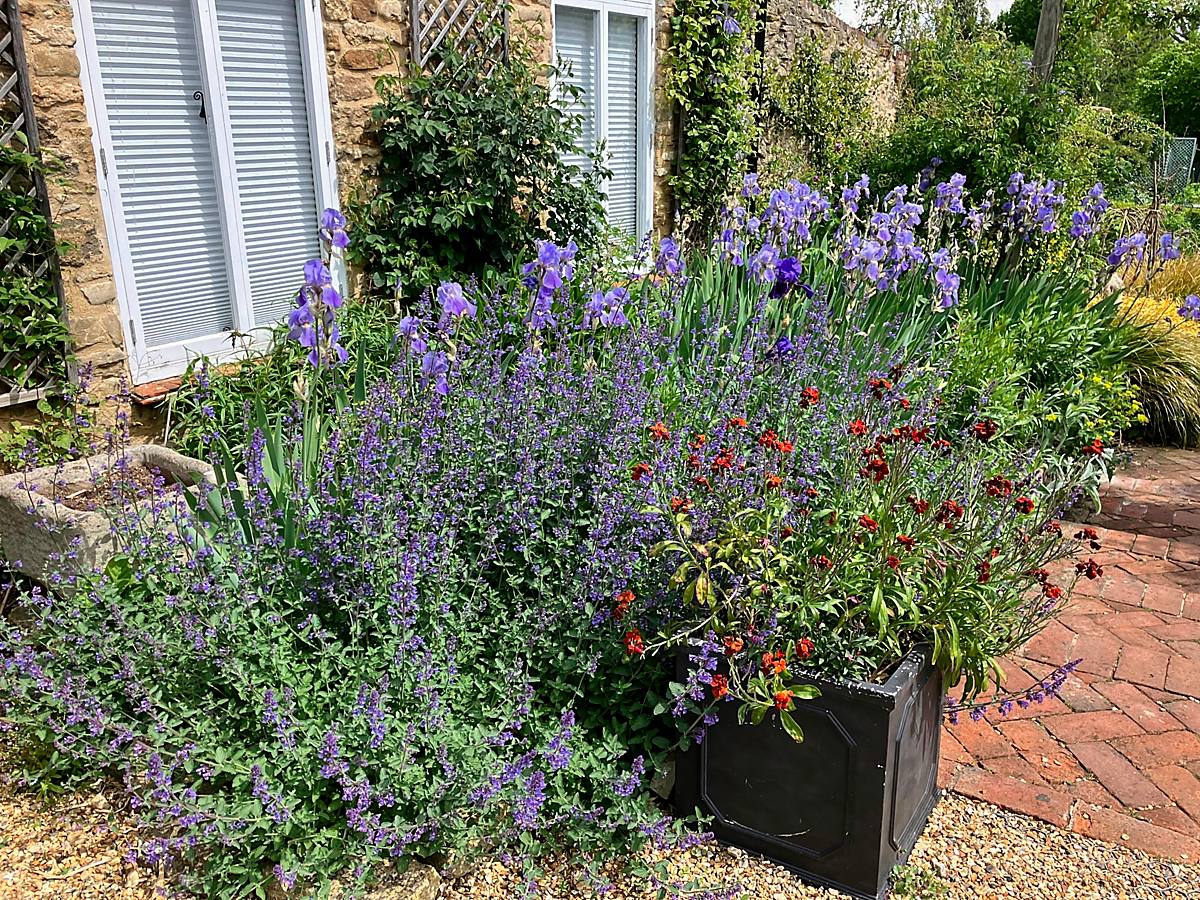
    At some point, I noticed the garden. Running along the side of the house, it’s divided into sections and ends with little windowed sheds just above a dock skirting the river. There are large gates that open on the street, once probably used for loading and unloading coal or ale… two prior enterprises at the site, but now inviting the public to come in, relax, and enjoy the garden. The garden is walled with old stones and bricks and there are dozens of roses and clematis climbing up them. Below, beds overflow with bulbs, perennials and annuals surrounding shrubs and hedges. A large arbor with an old, climbing single rose crosses the path midway down the garden. There are well-worn seats and benches everywhere, many hours have been spent contemplating the garden from these comfortable spots, each featuring a different view of the garden. I’ve never been there when there weren’t others in the garden, lost in solitude or friendly discussions. On the day I visited this May, I spoke with a gentleman researching plants for an upcoming Biodiversity tour and lecture he was preparing as well as one of the garden volunteers… yes, the entire garden is cared for by a group of volunteers who clearly share a love and vision for the garden.

    For a site as lovely as this, I always imagined St Ethelwold as a kindly Anglo-Saxon saint with some connection to nature, and definitely female, in the style of local St Frideswide of Oxford. In actuality, Ethelwold (sometimes Aethelwold) was the Abbot of Abingdon Abbey in 954 and would later be Bishop of Winchester. He appears to have been a somewhat ruthless leader of the English Benedictine Reform and set about changing the Abbey and the area with great zeal. The Dictionary of National Biography says that he “is an often formidable authoritarian who, for instance, commands a monk to show his devotion by plunging his hand into a boiling pot of stew, while another monk who had the presumption to watch Æthelwold while he was reading at night was punished with temporary blindness.” So, I assume the site was named for the connection to Abingdon rather than the character of their patron saint!

    The Fellowship of St Ethelwold’s was the result of years of hard work by Dorothea Pickering. She was born in 1906, the daughter of an Anglican vicar, and later convert to Catholicism. She worked as a teacher in Abingdon most of her life but was always inspired by the Benedictine movement and dreamt of a space for a group of religious to live in community in Abingdon. Over time, she grew more enthusiastic in ecumenism hoping to bridge her own religious upbringing with interfaith work. Her focus on encouraging “Quiet Time” every day for “listening to God” was foundational to building the meditation groups still practising there today. St Ethelwold’s offers rooms for retreats, artistic exploration, community involvement and other outreach programmes run by a variety of groups and volunteers. Details of these are on their website.

    One thing that is clear when visiting St Ethelwold’s, it is well loved and cared for. The plan for the garden was peace and contemplation, and it is beautifully fulfilled. It might be impossible to visit and not be drawn in to the quiet, gentle spirituality of the space… I wouldn’t know, I always quite willingly succumb.

  • Oxford May Morning

    Oxford May Morning

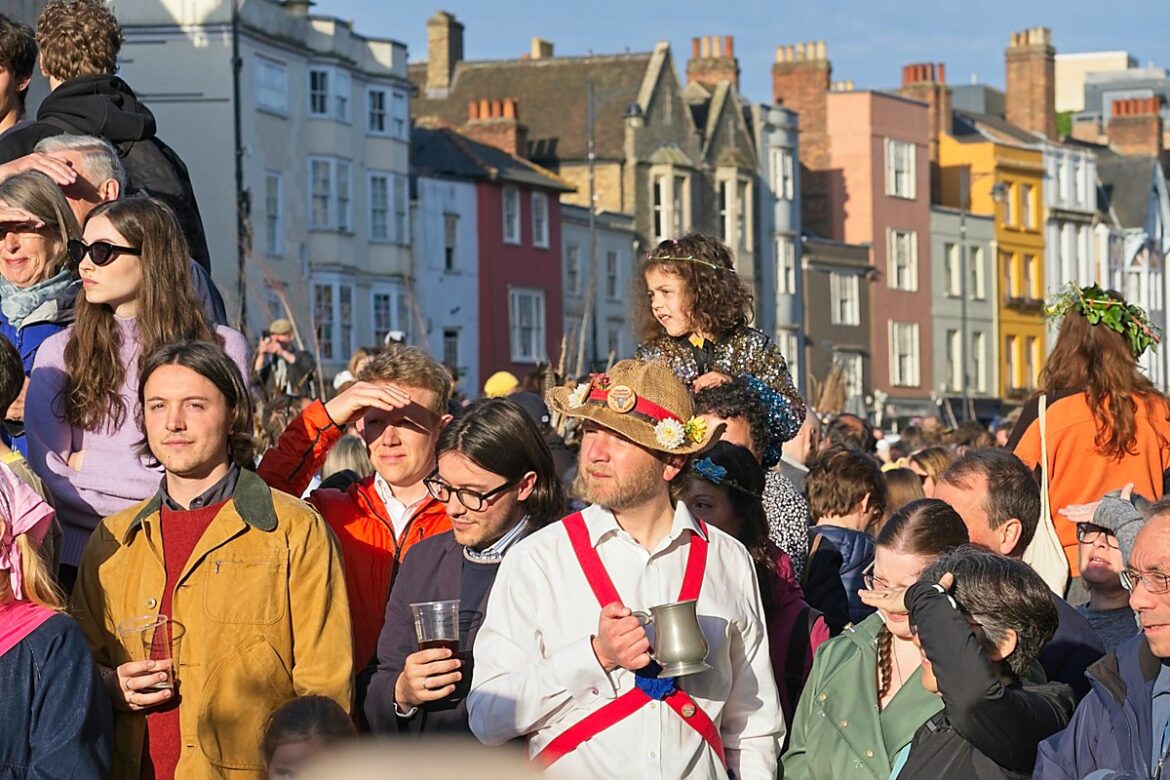
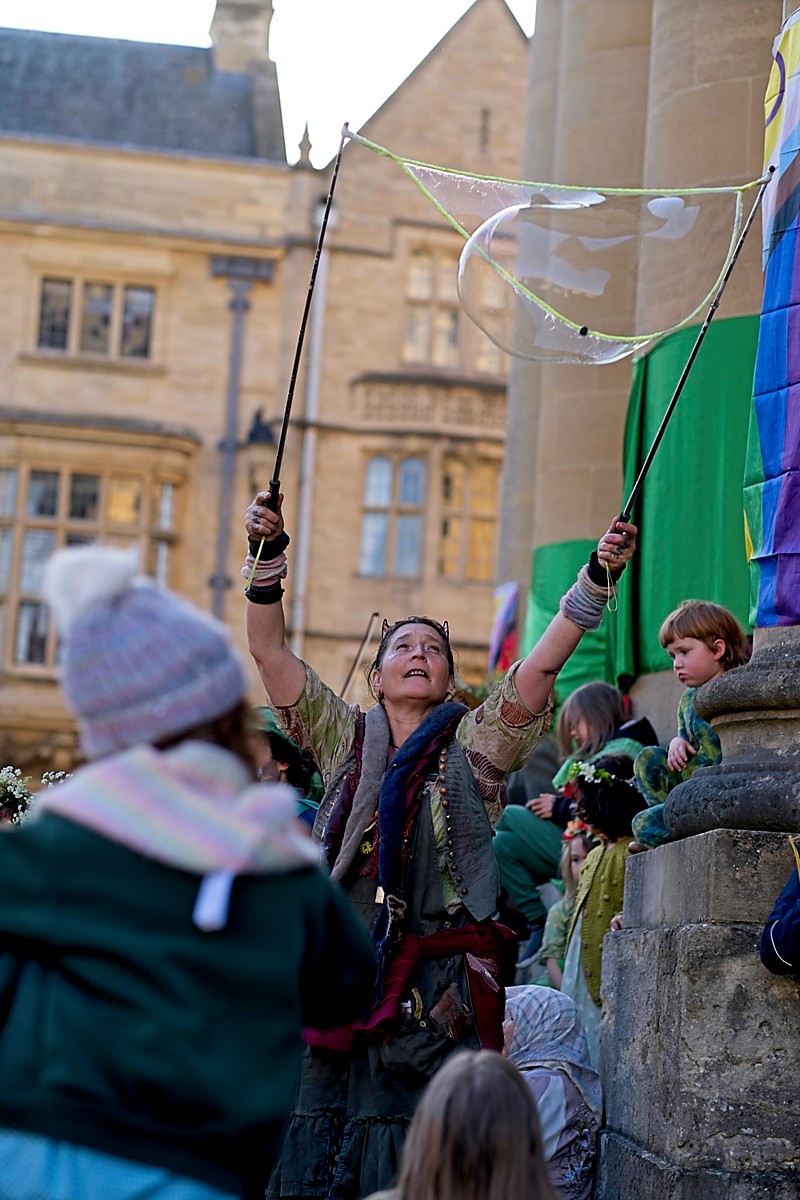
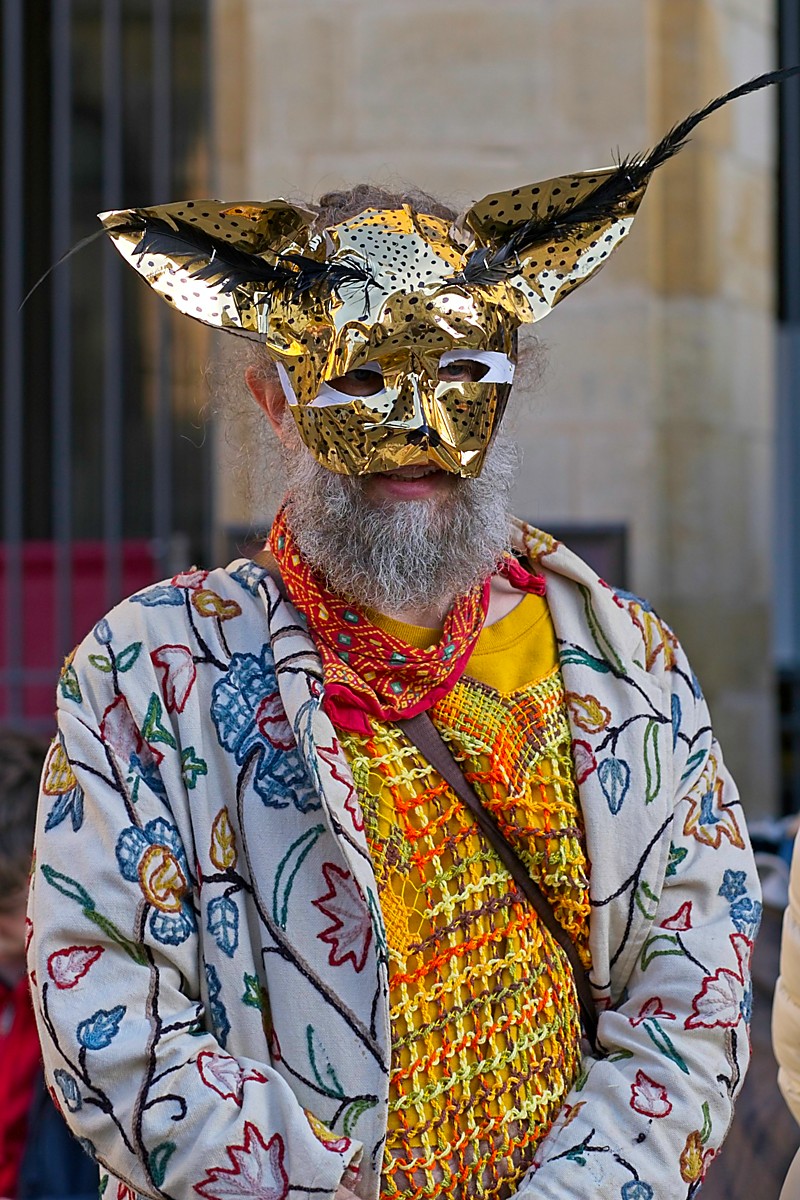
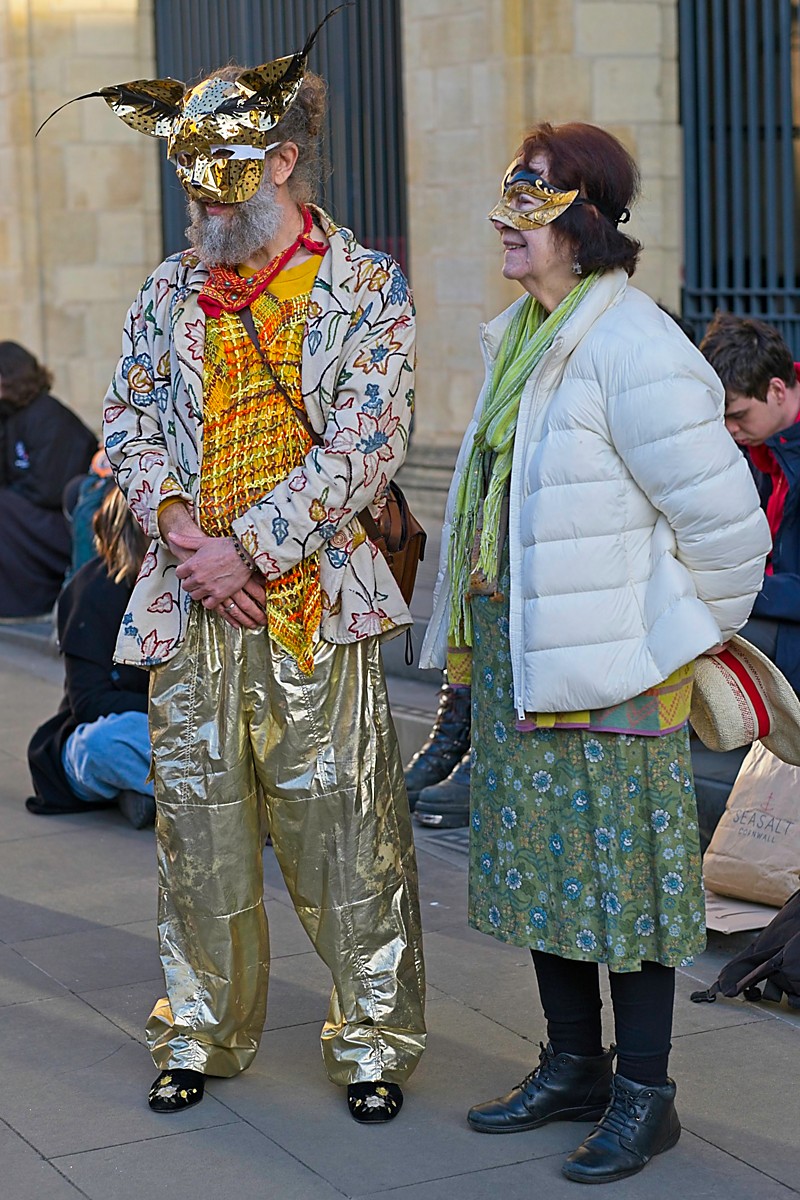
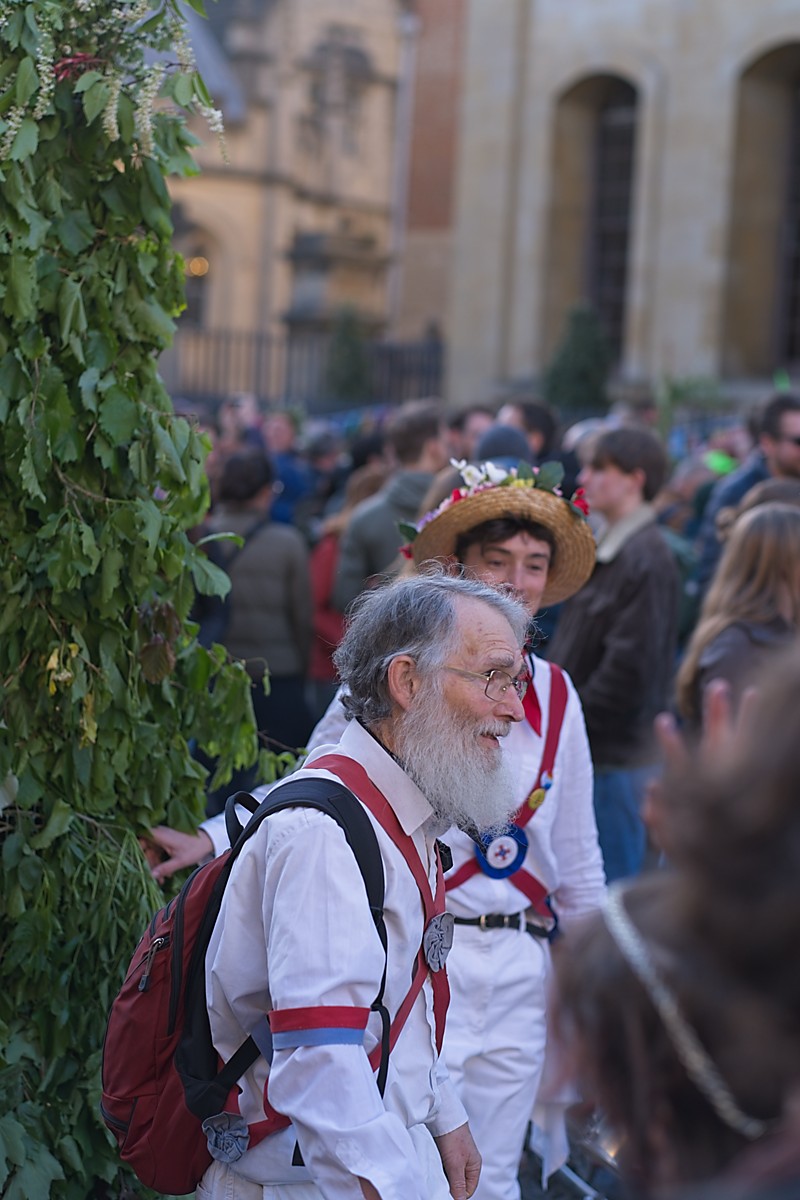
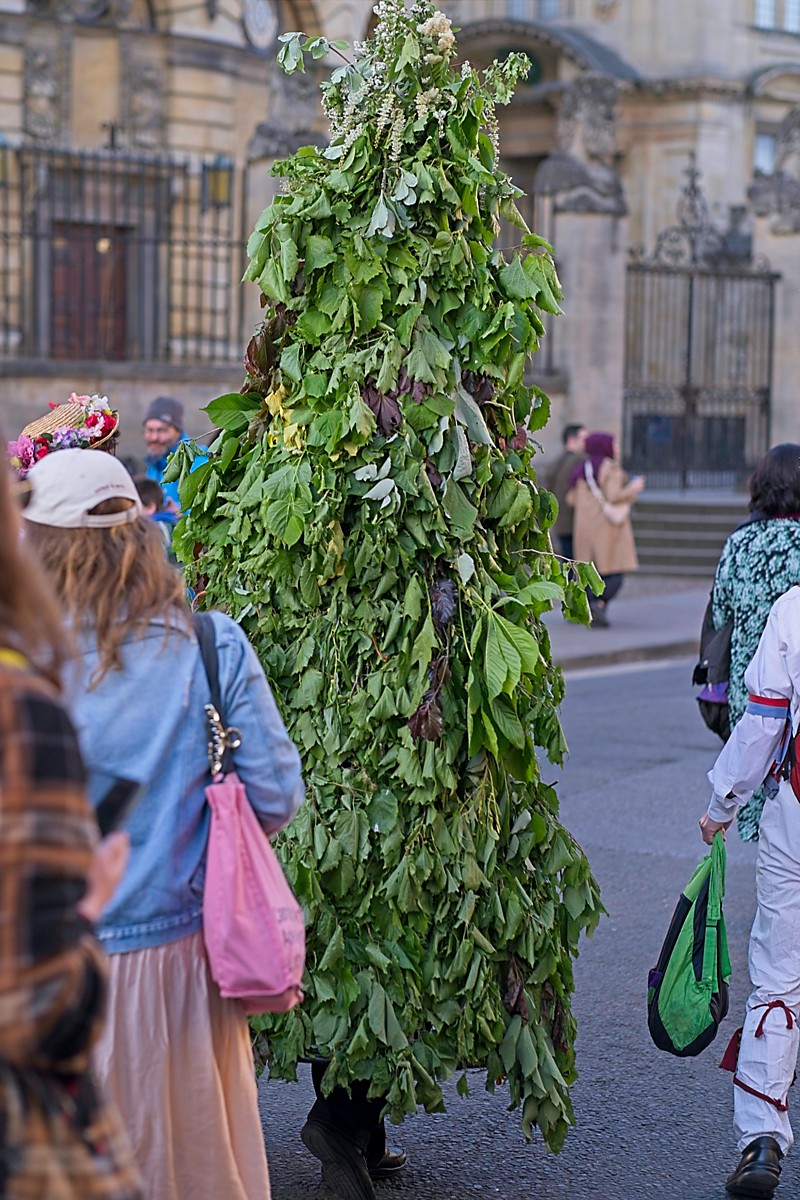
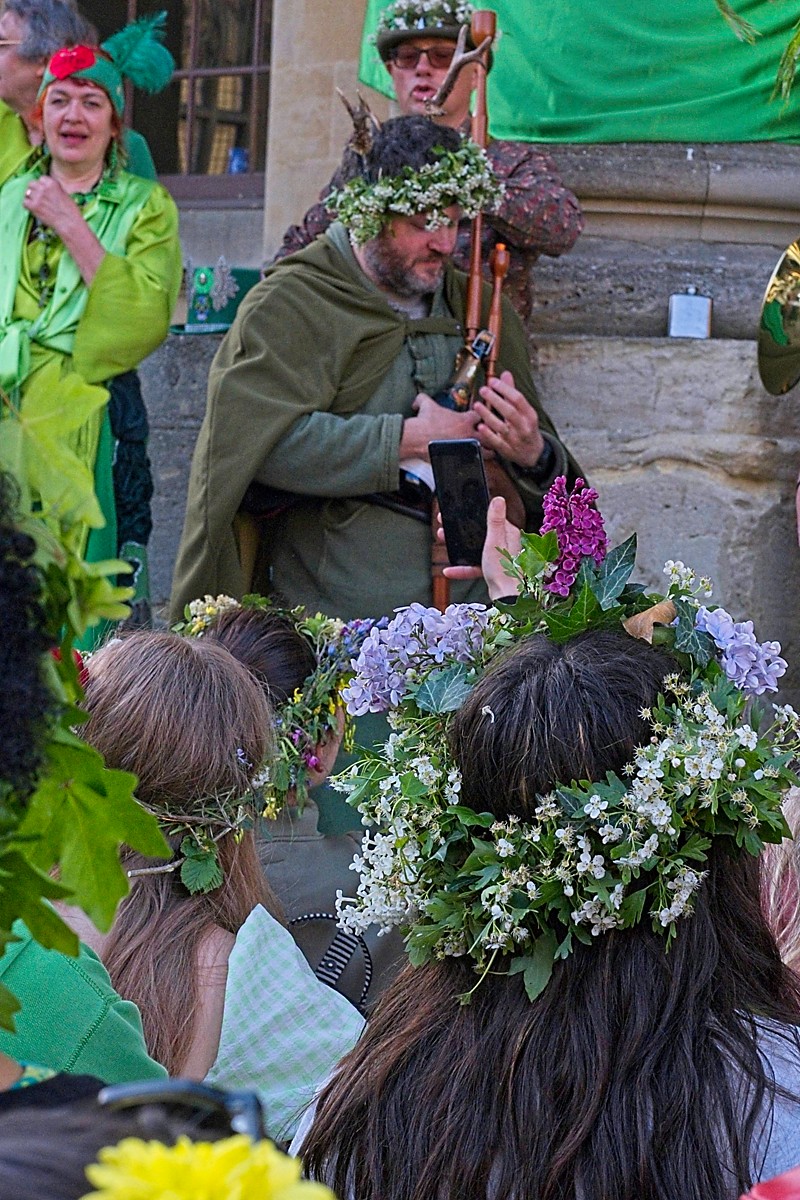
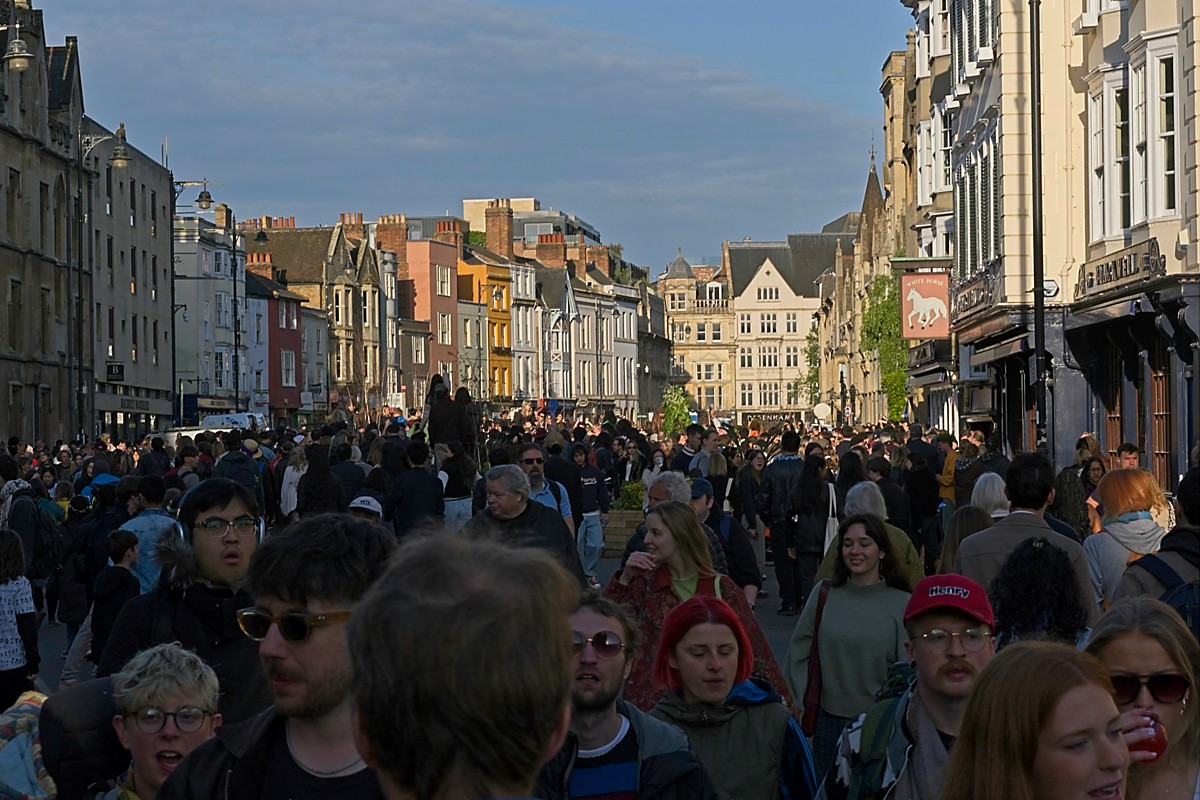
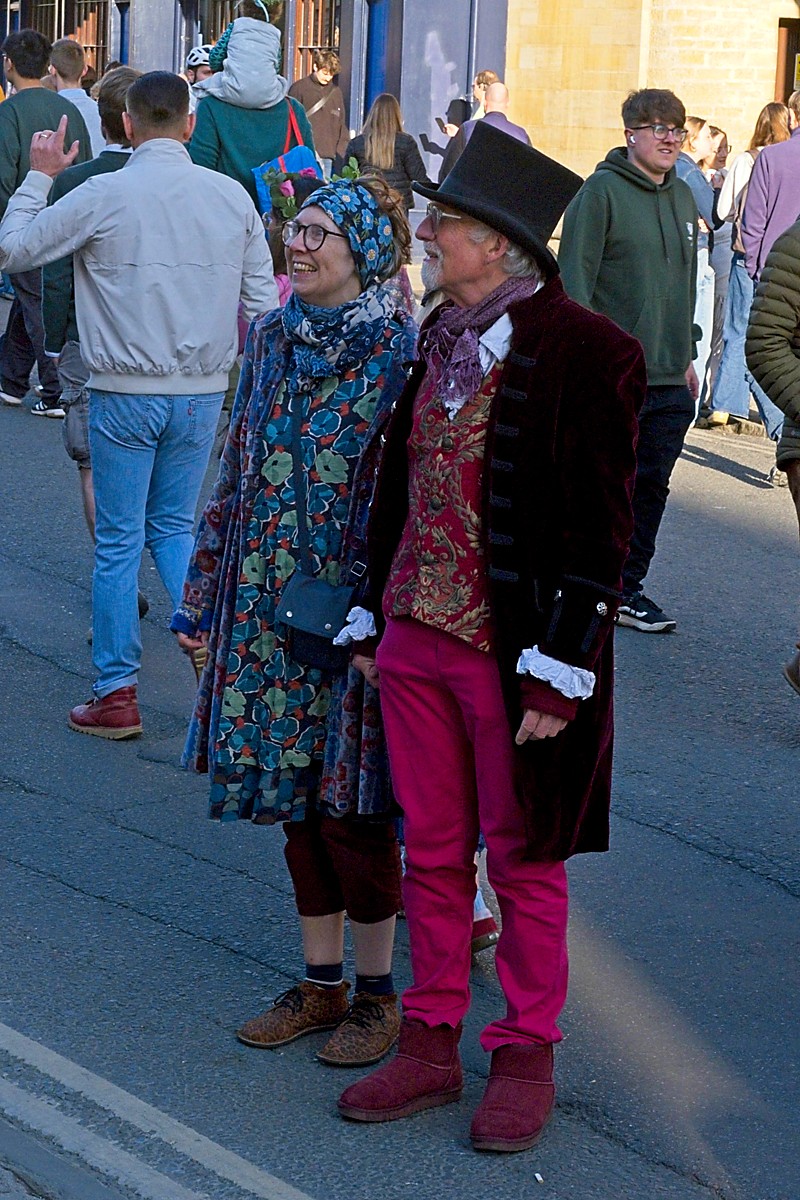
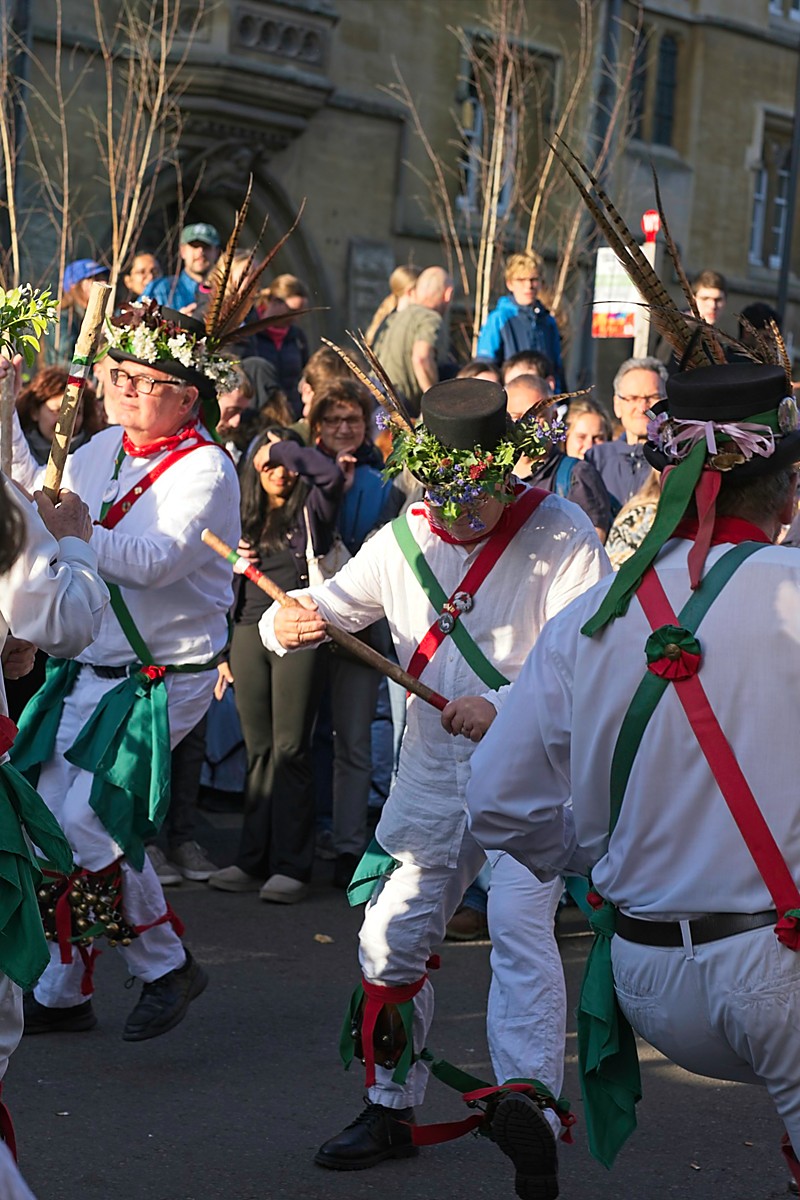
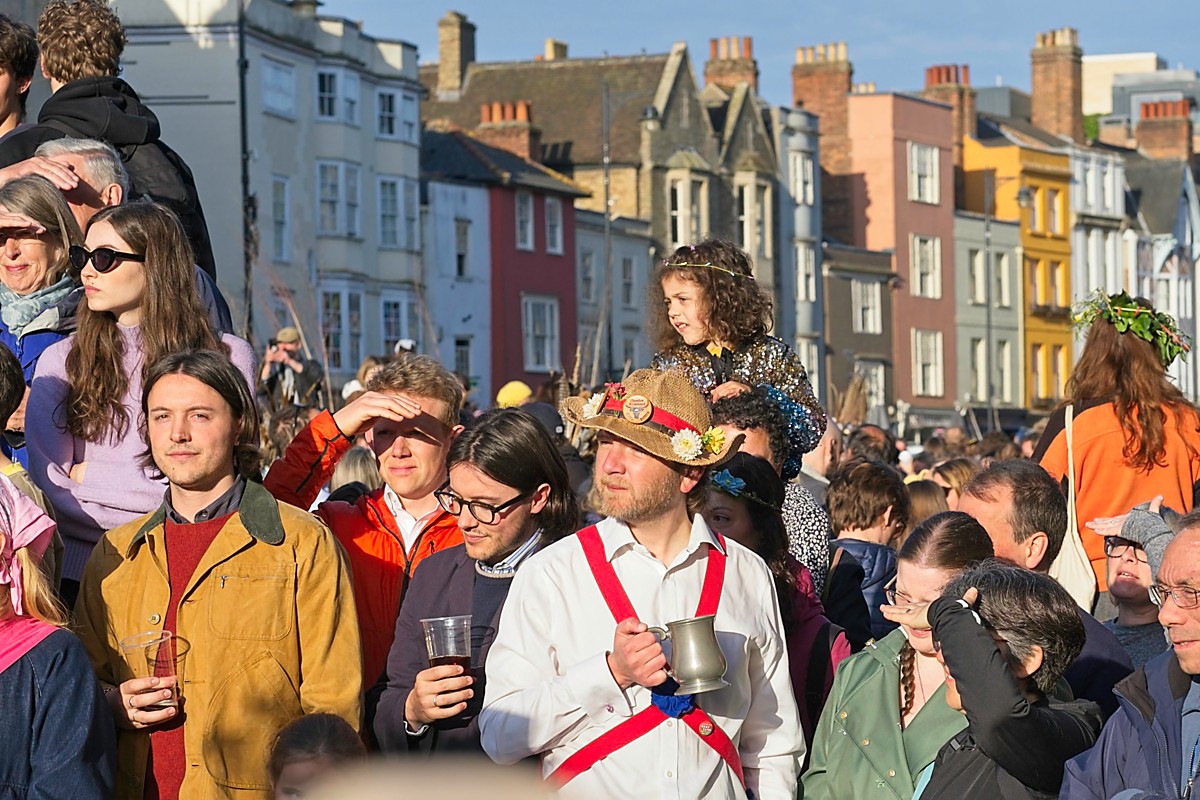
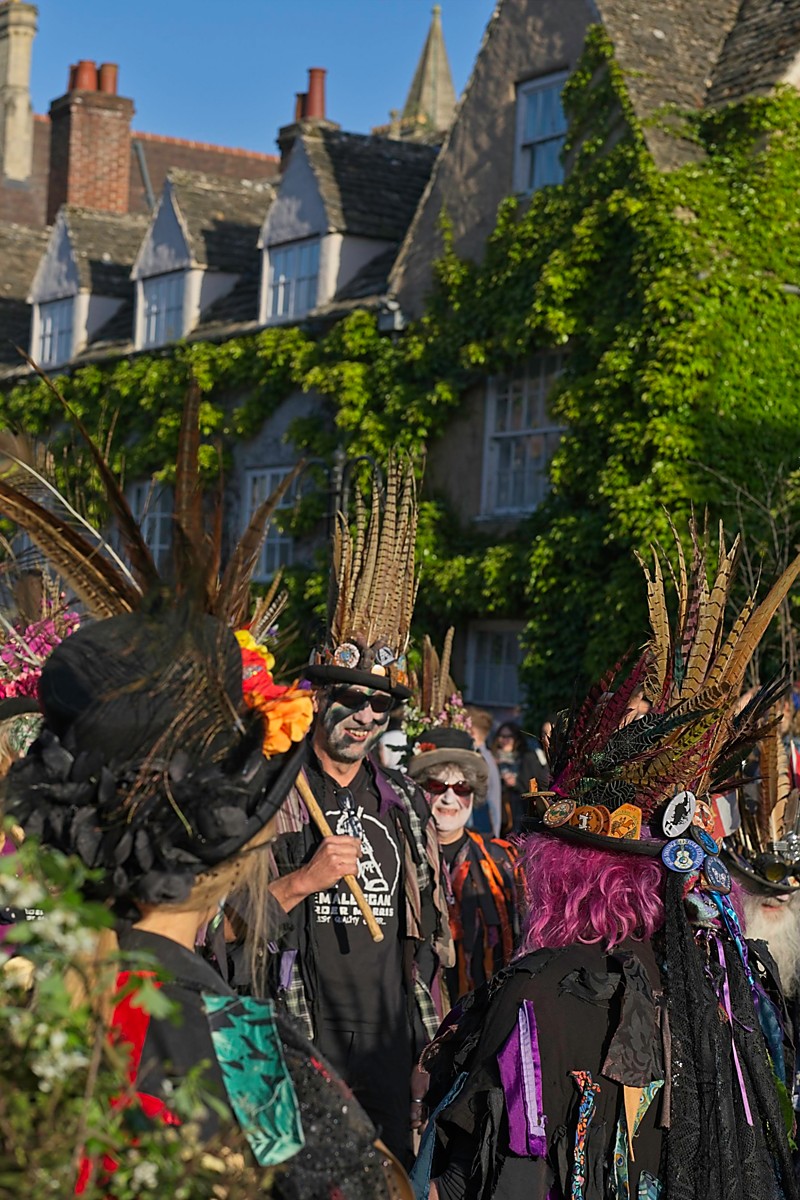
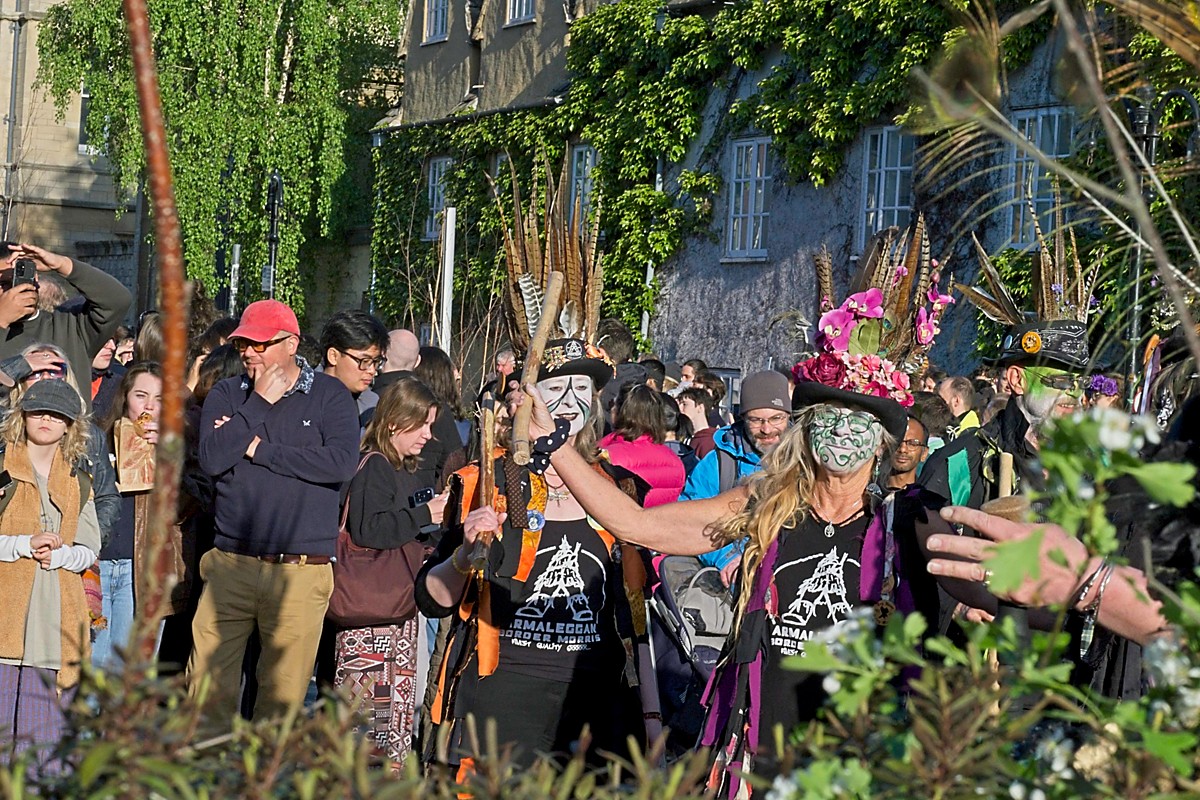
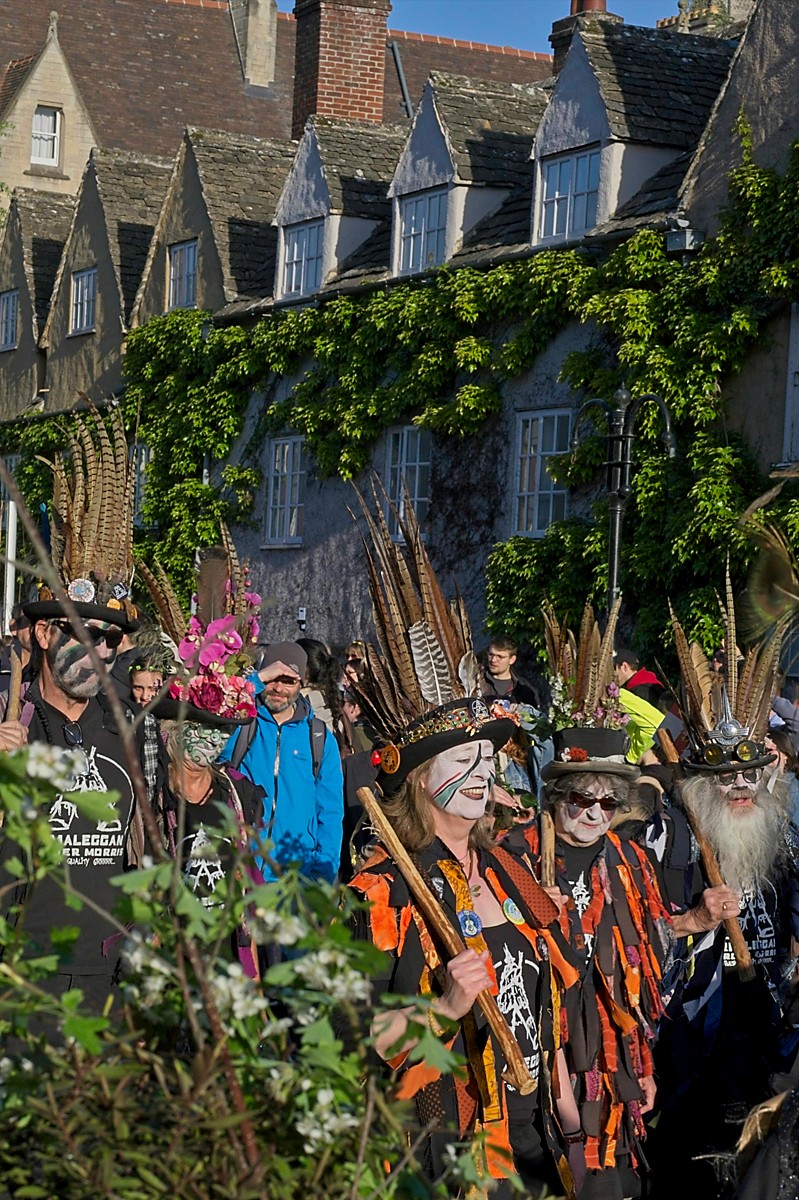
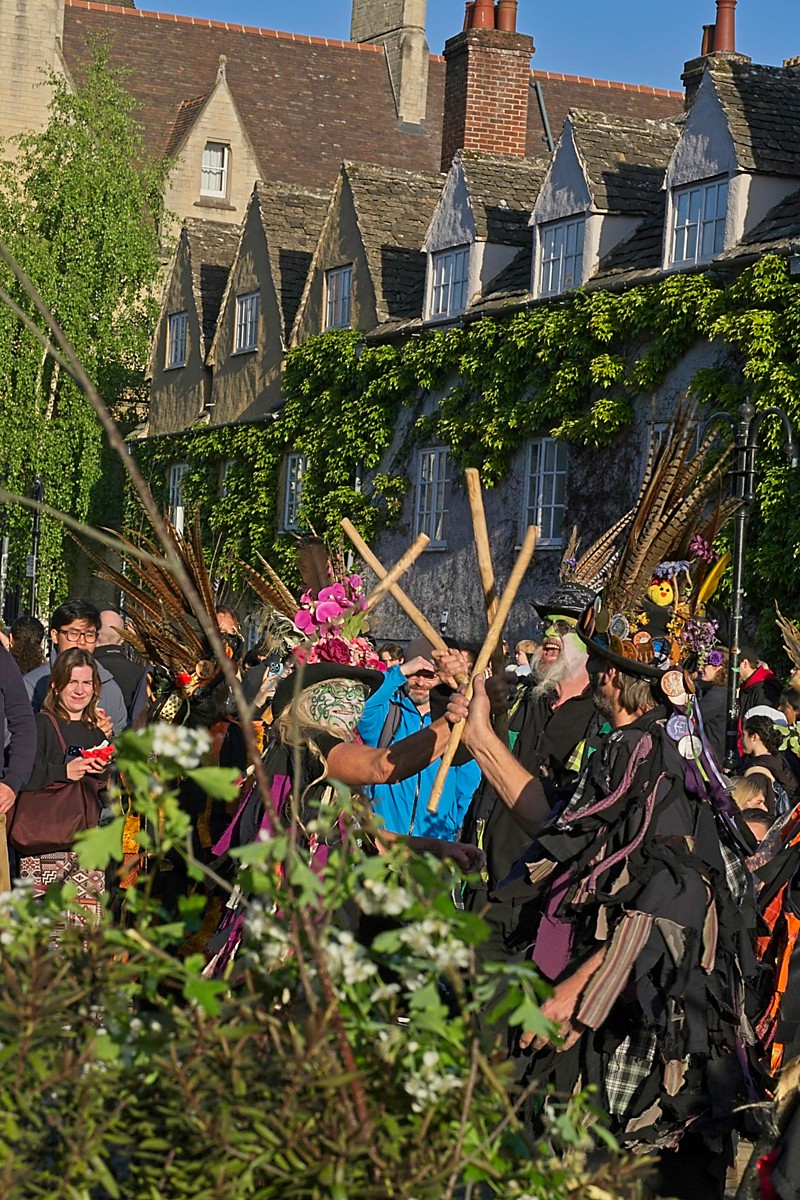
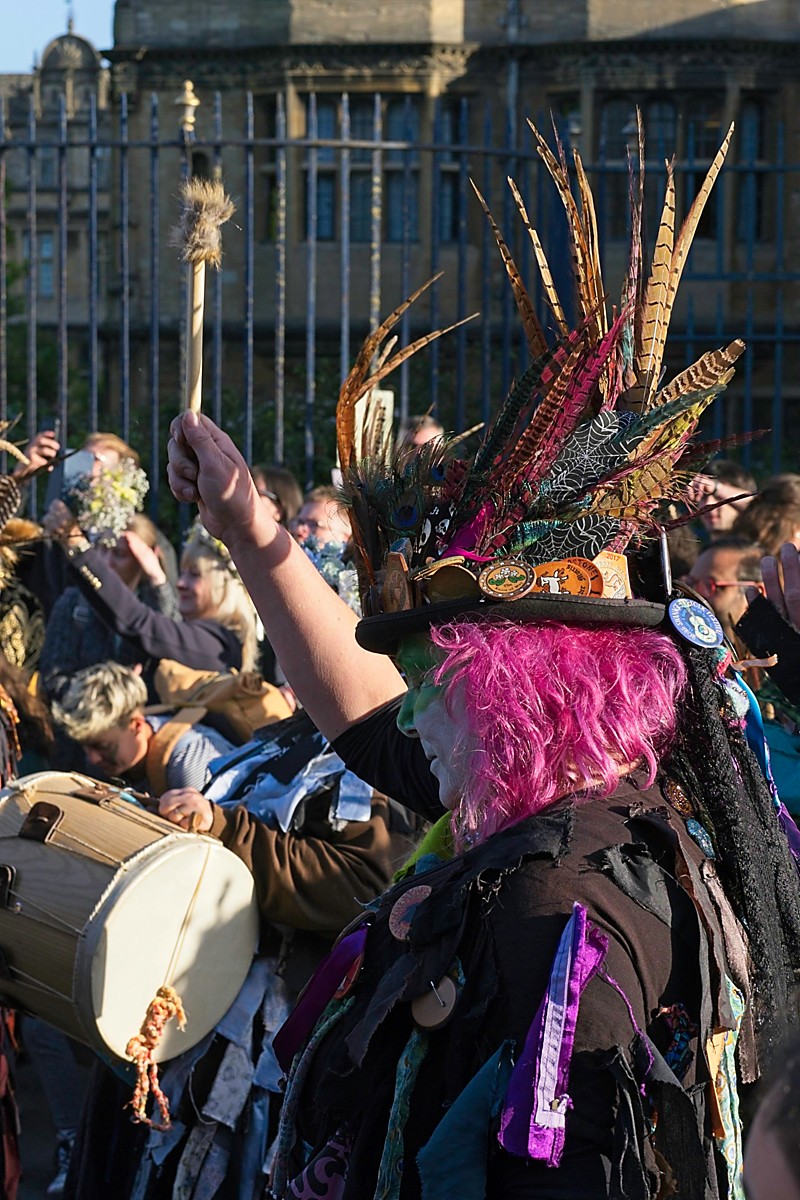
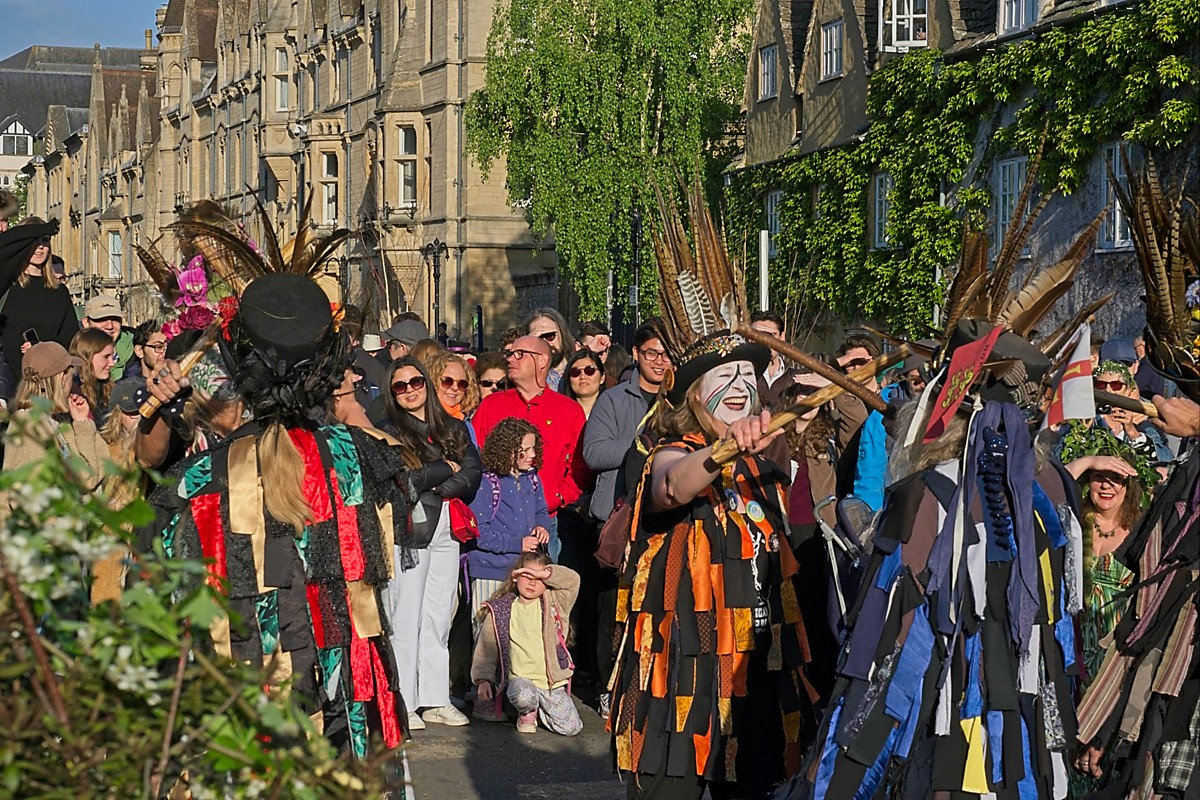
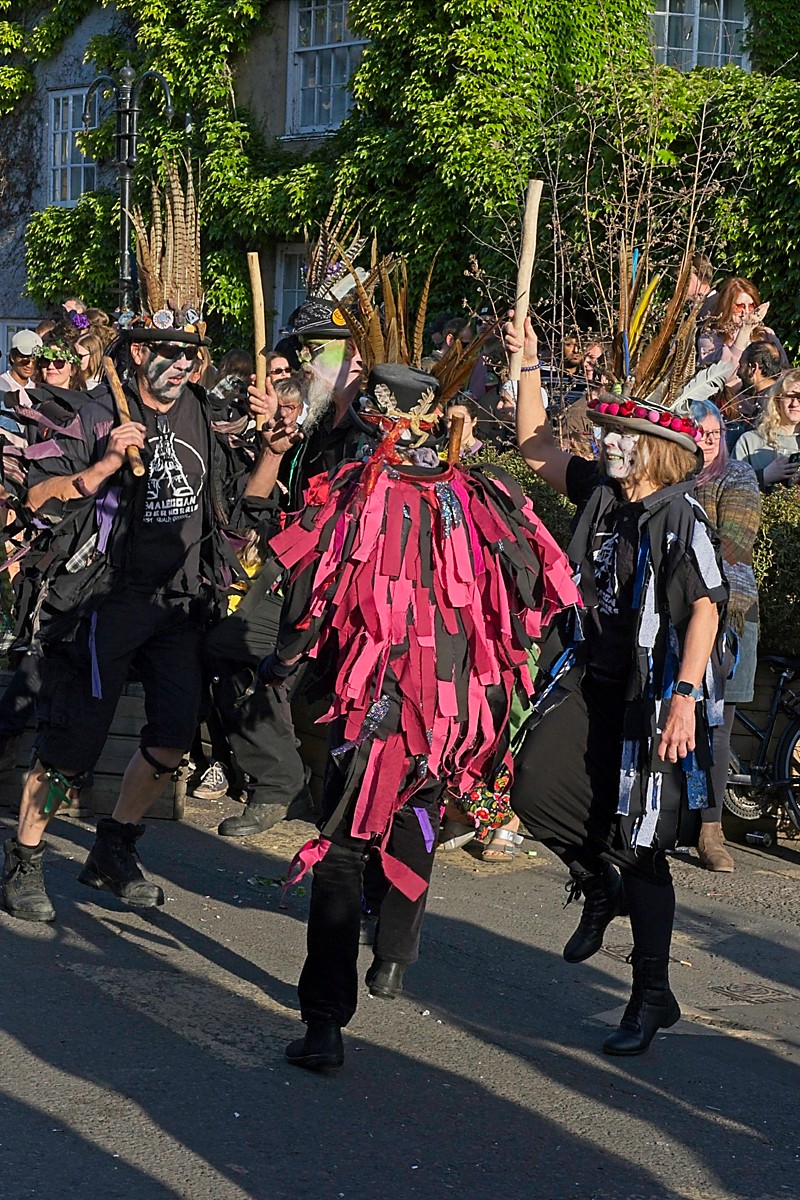
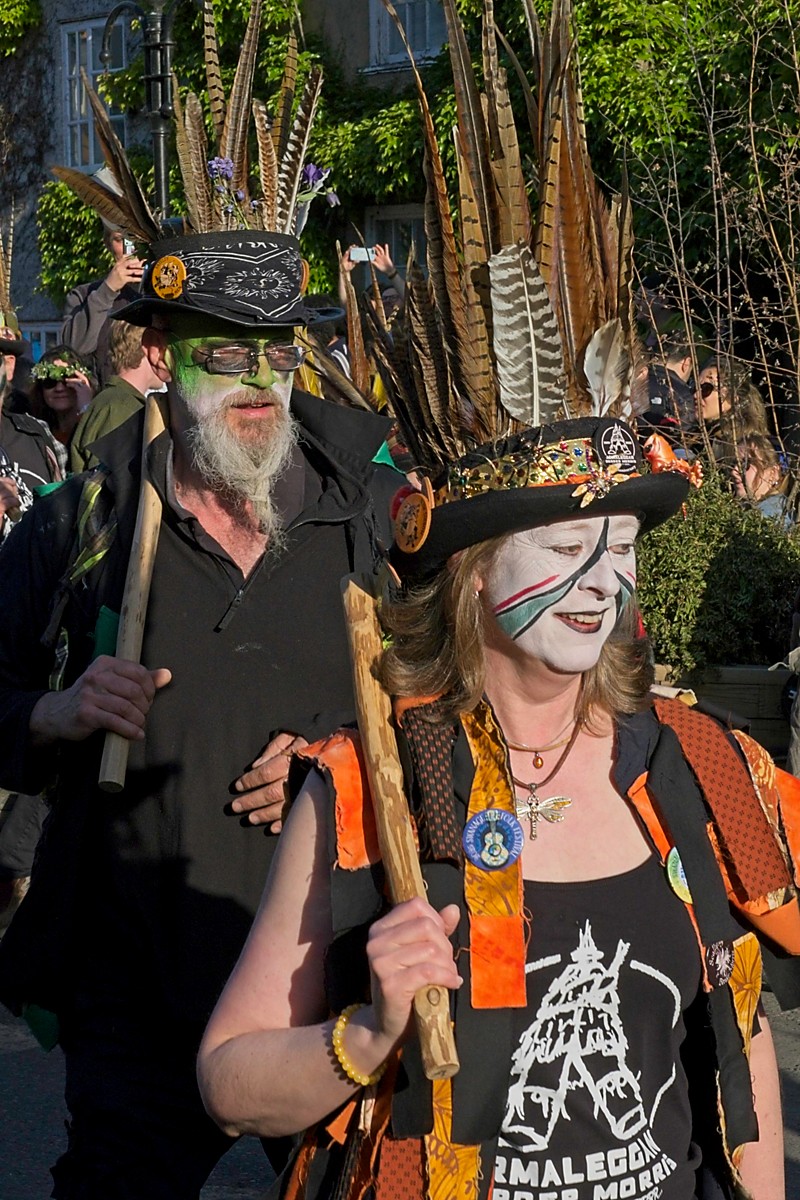
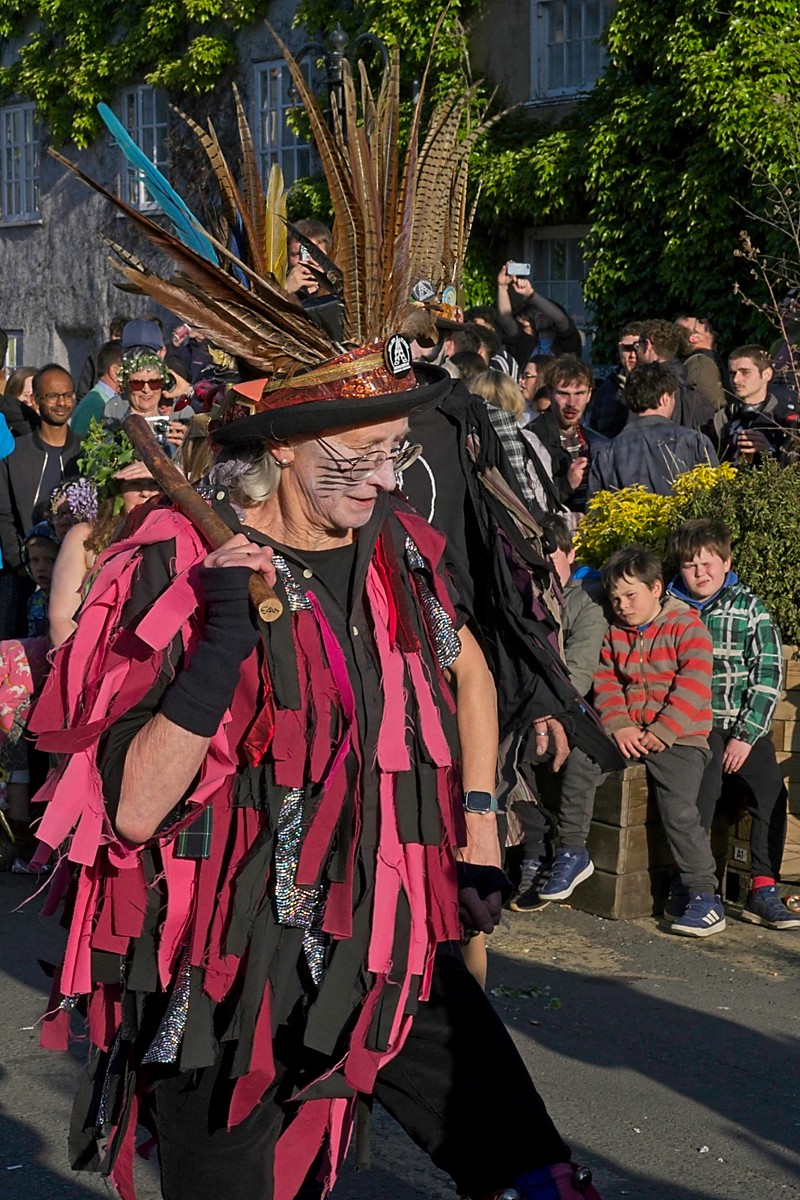
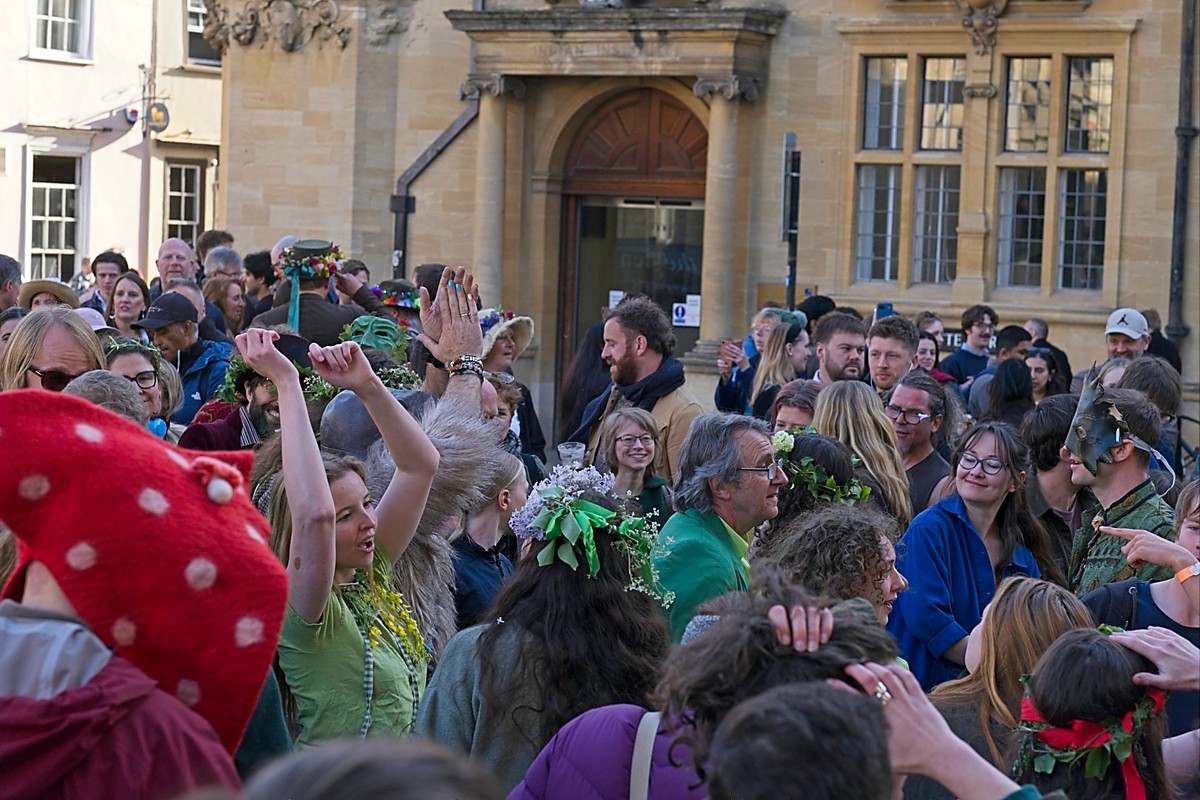
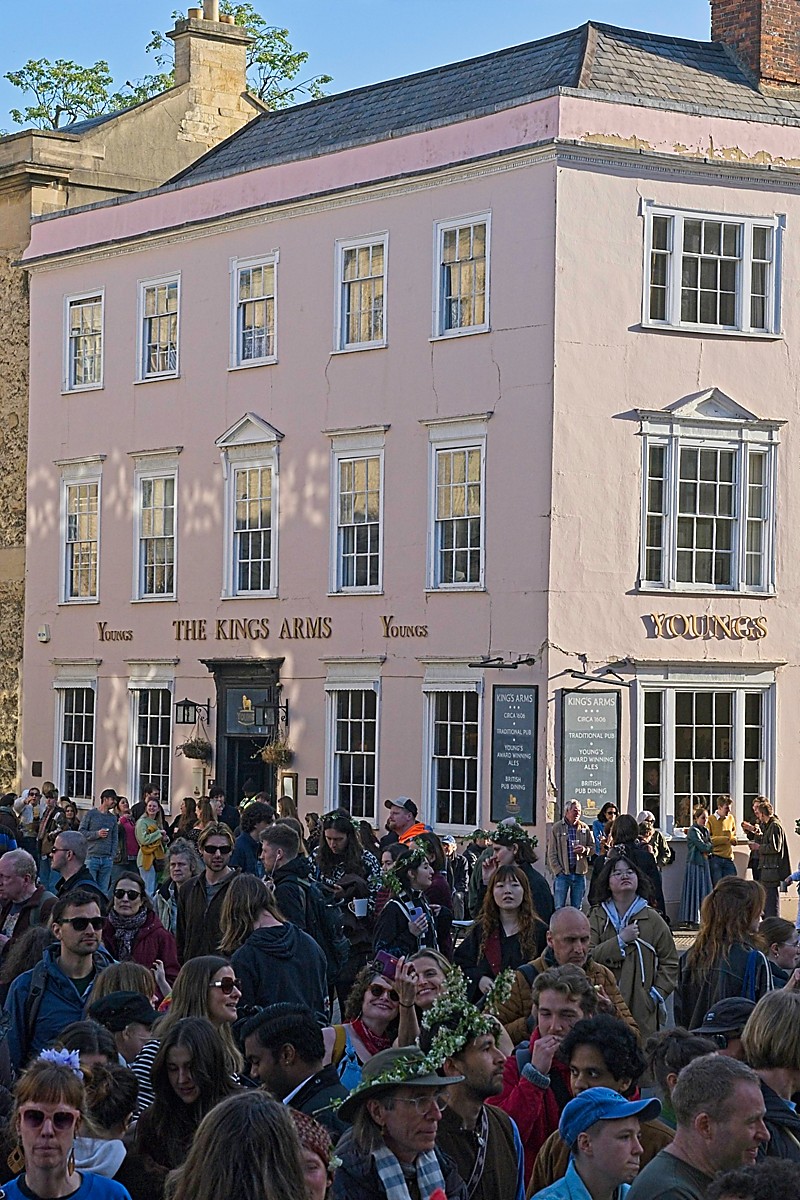
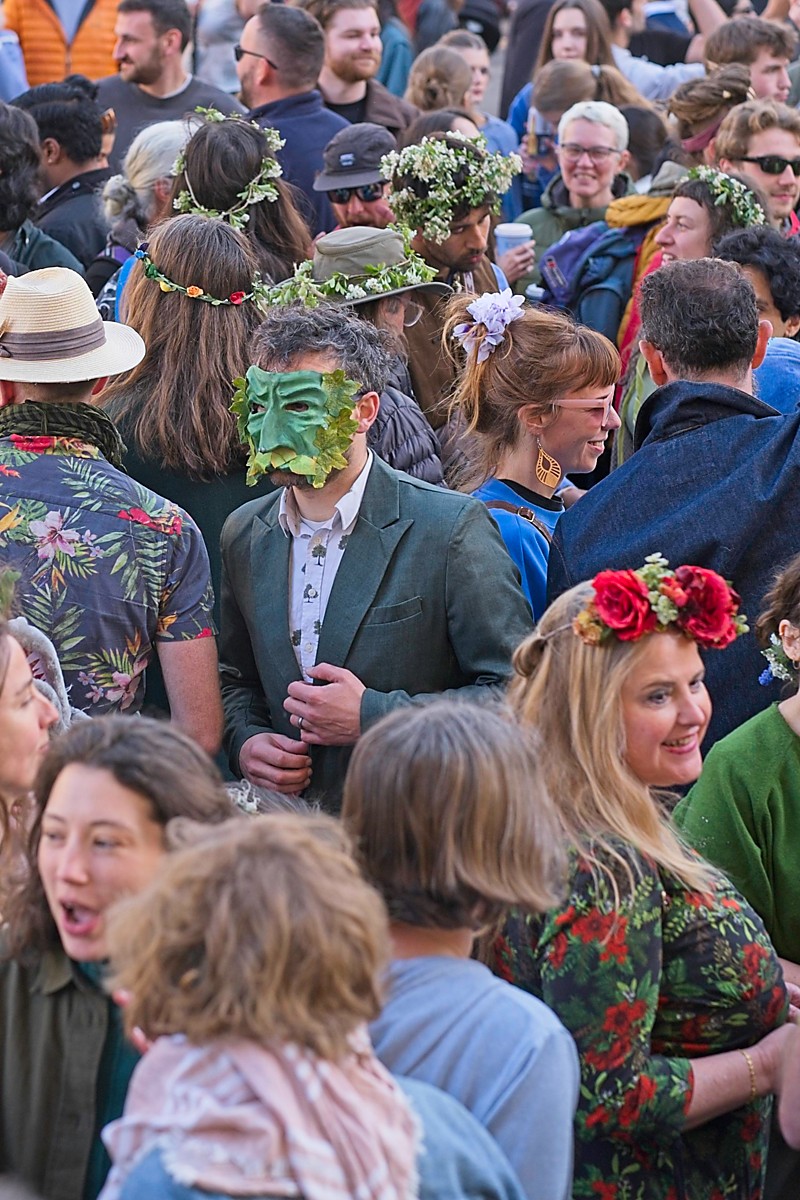
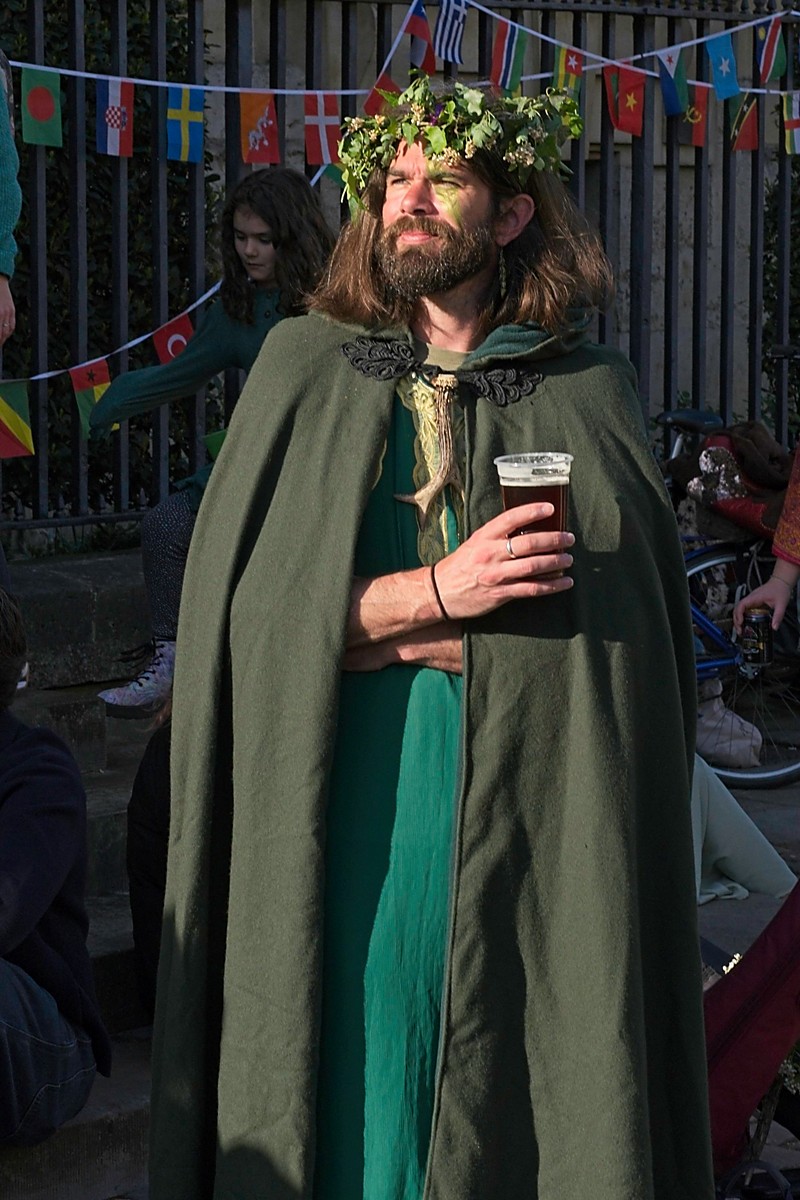
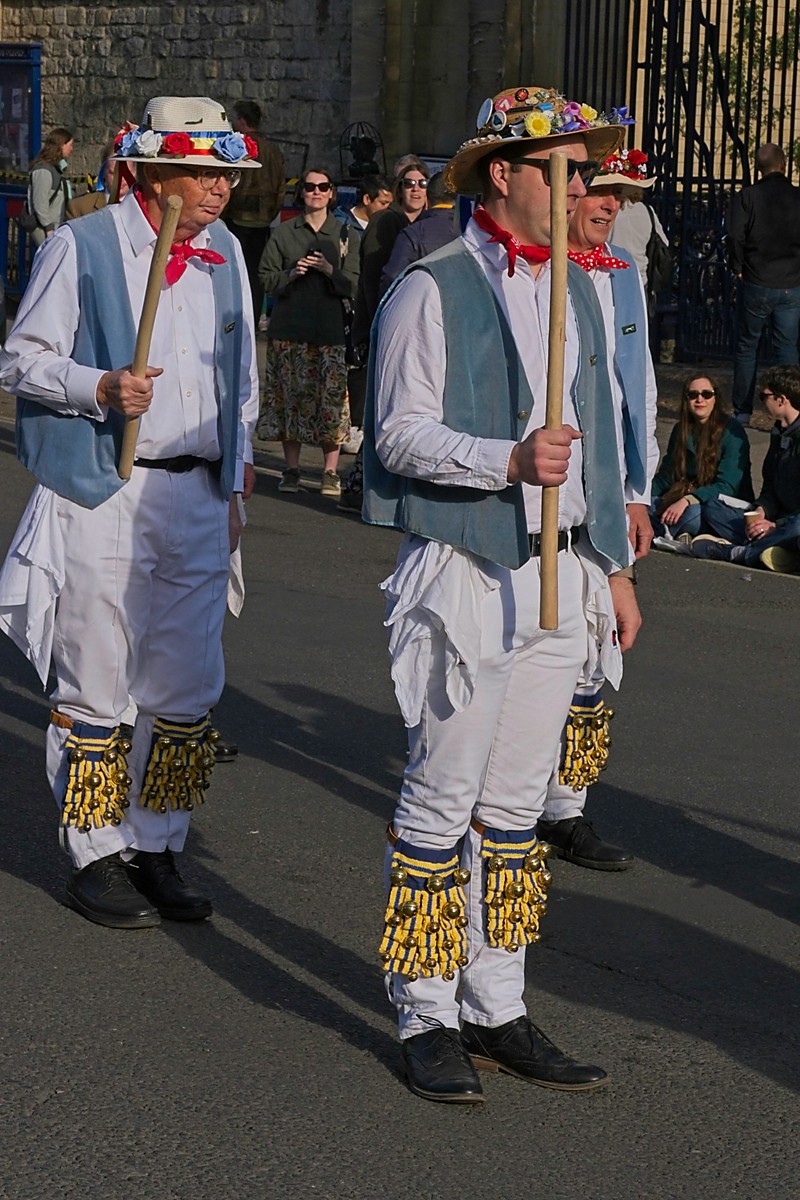
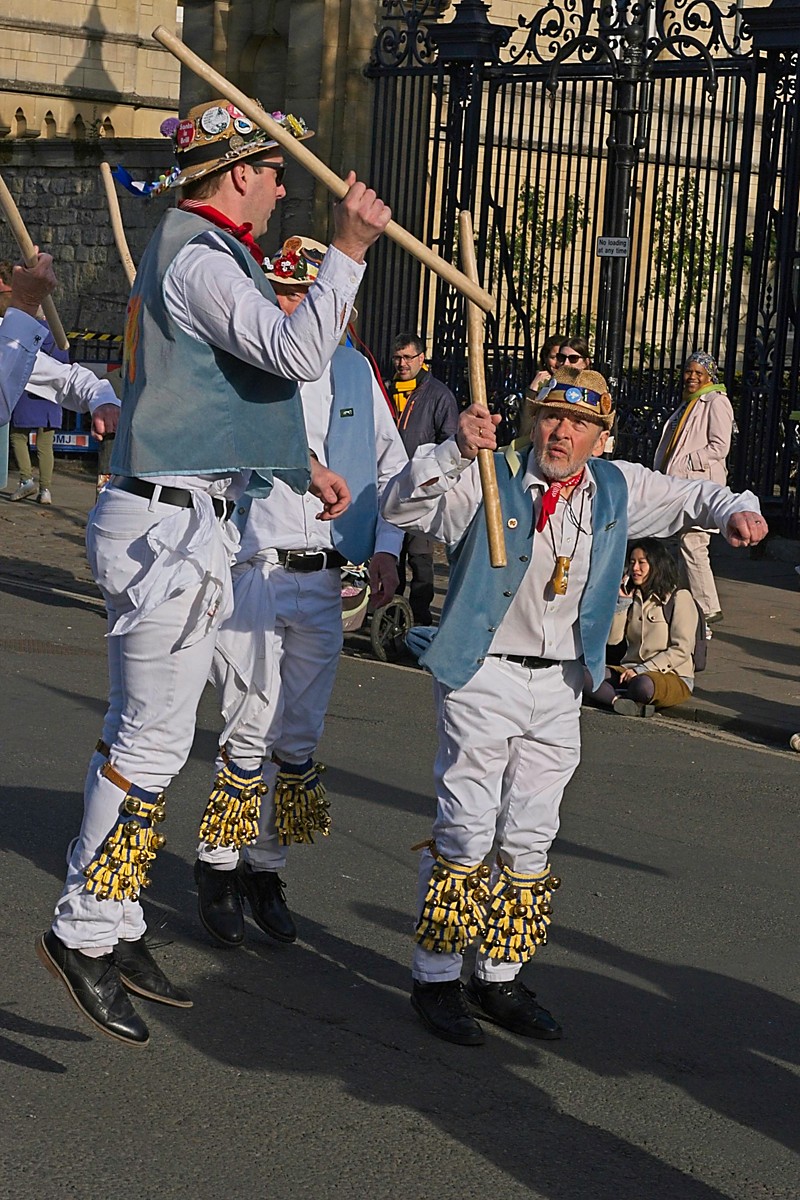
    May 1st is a Big Deal in Oxford. For over 500 years crowds have been gathering before 6am at the foot of Magdalen College tower to hear the choir sing to welcome Spring. Afterwards, there is singing and dancing in the streets as people gather to celebrate. Some, in fact, have been celebrating for hours as many pubs and parties stay going all night long and more than a few people on the streets have not slept at all. This year for 2026 there were over 18,000 people participating, that nearly unimaginable for the small streets of Oxford.

    May 1st is, of course, also known as Beltane, the Celtic holiday celebrating the start of Summer. The Celts broke the year into two halves starting with Samhain on October 31/November 1, and Beltane on April 30/May 1. They measured the day the same way they measured the year, with the dark half preceding the bright half, so new days start at sundown. It certainly seems likely that the tradition of welcoming the change of season at least echos, if not traces, these earlier traditions.

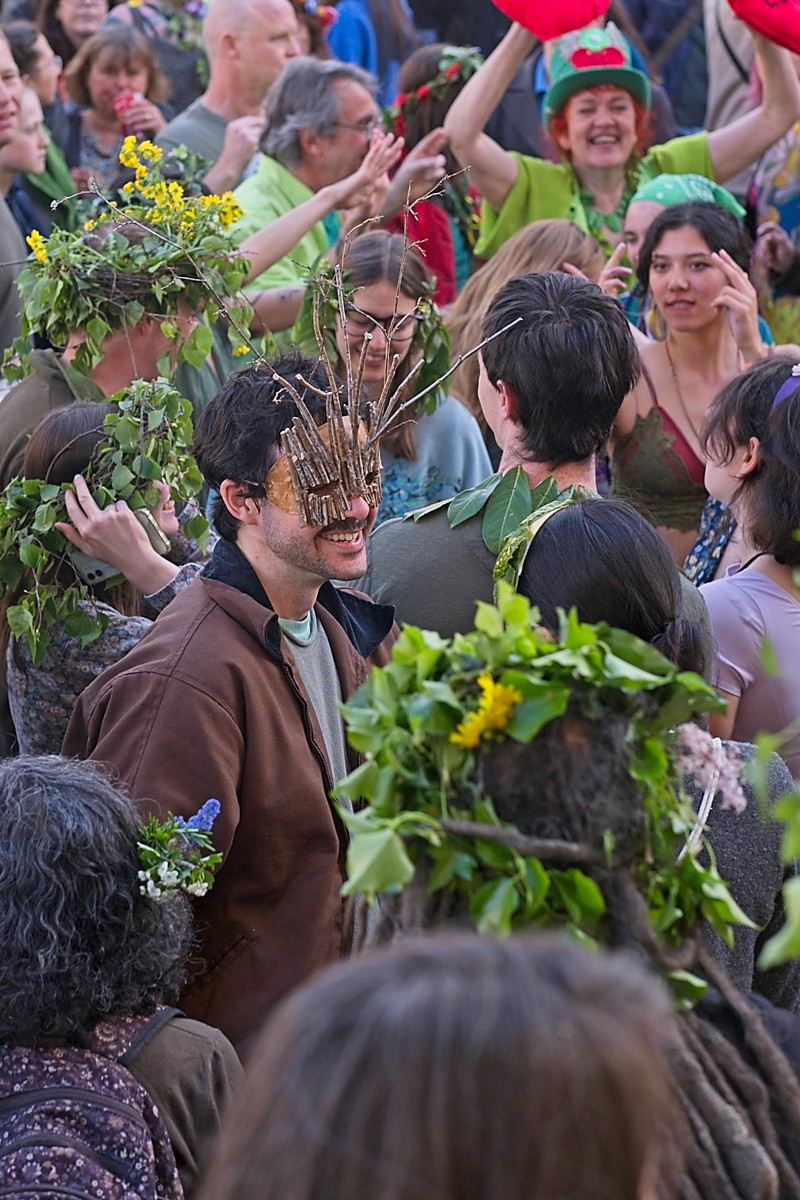
    May Morning Oxford notes that there is evidence of reveries going back much further, in 1250 the Chancellor of Oxford University forbad  ‘alike in churches, all dancing in masks or with disorderly noises, and all processions of men wearing wreaths and garlands made of leaves of trees or flowers or what not.’ Note that he’s concerned with men, one assumes because women weren’t under his purview as no women attended the university until the 20th century!

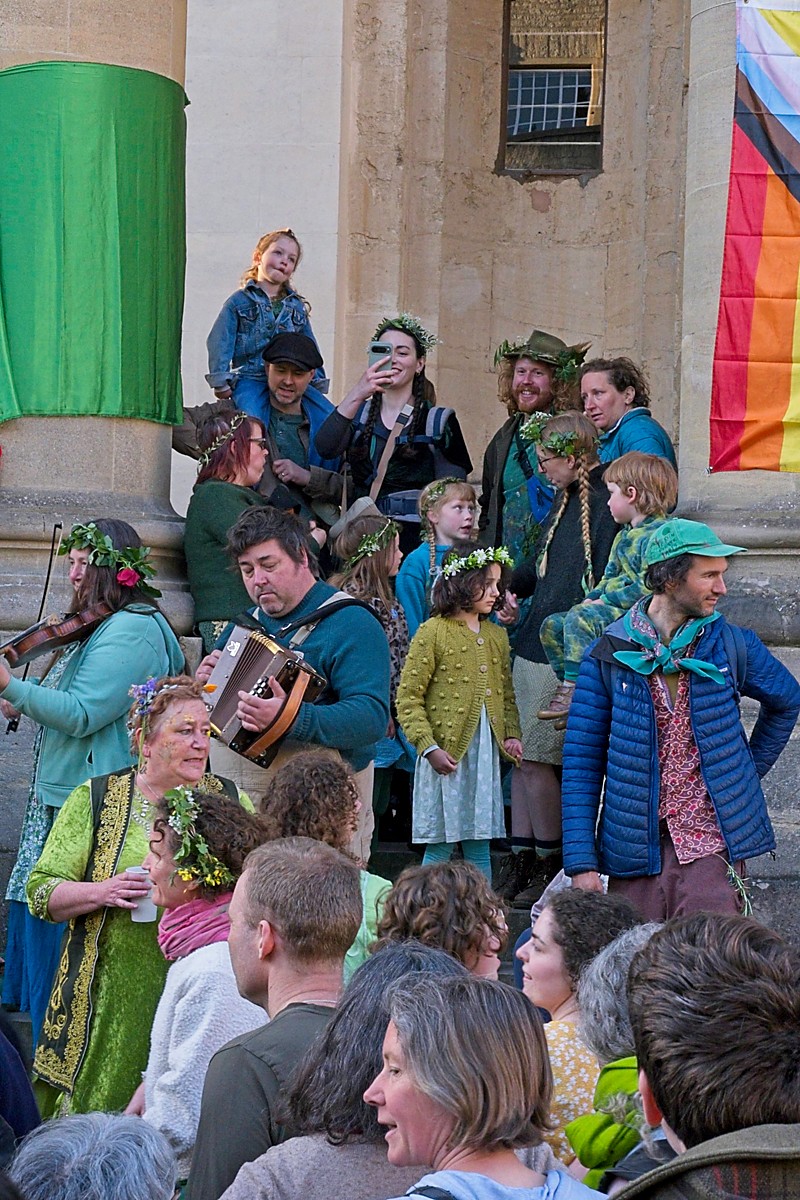
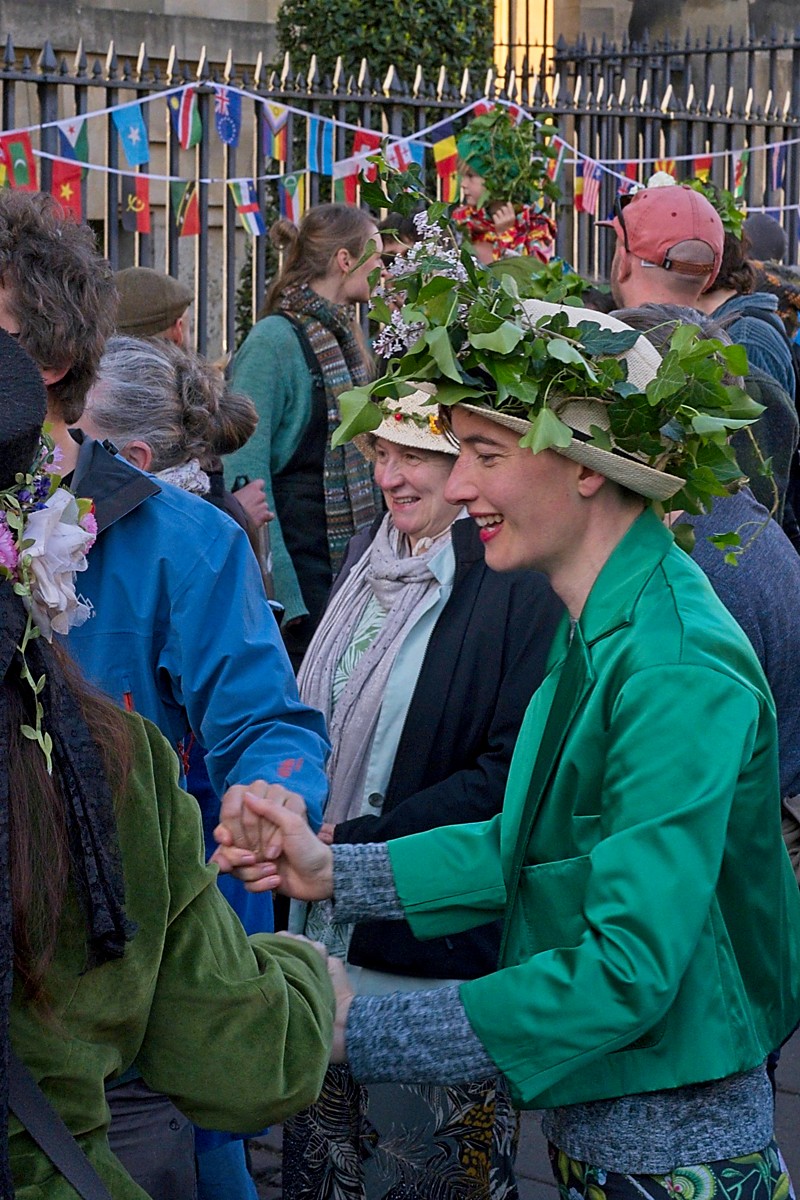
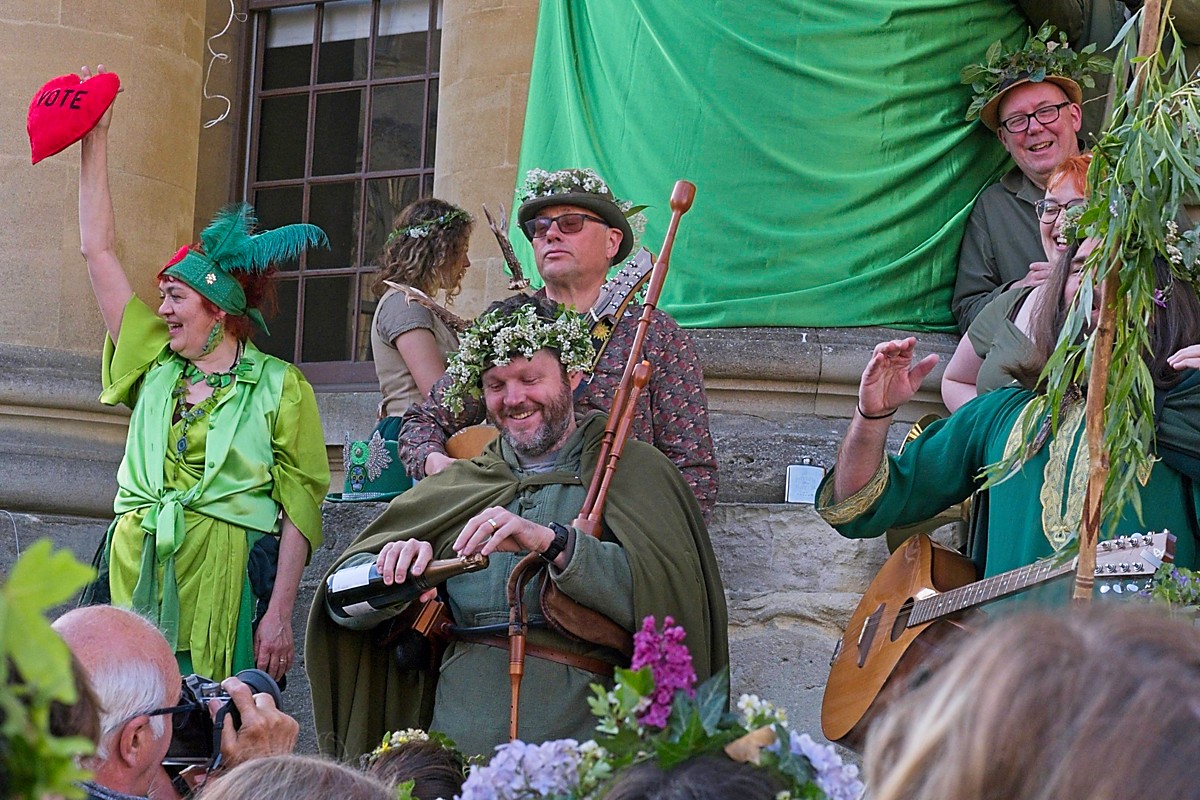
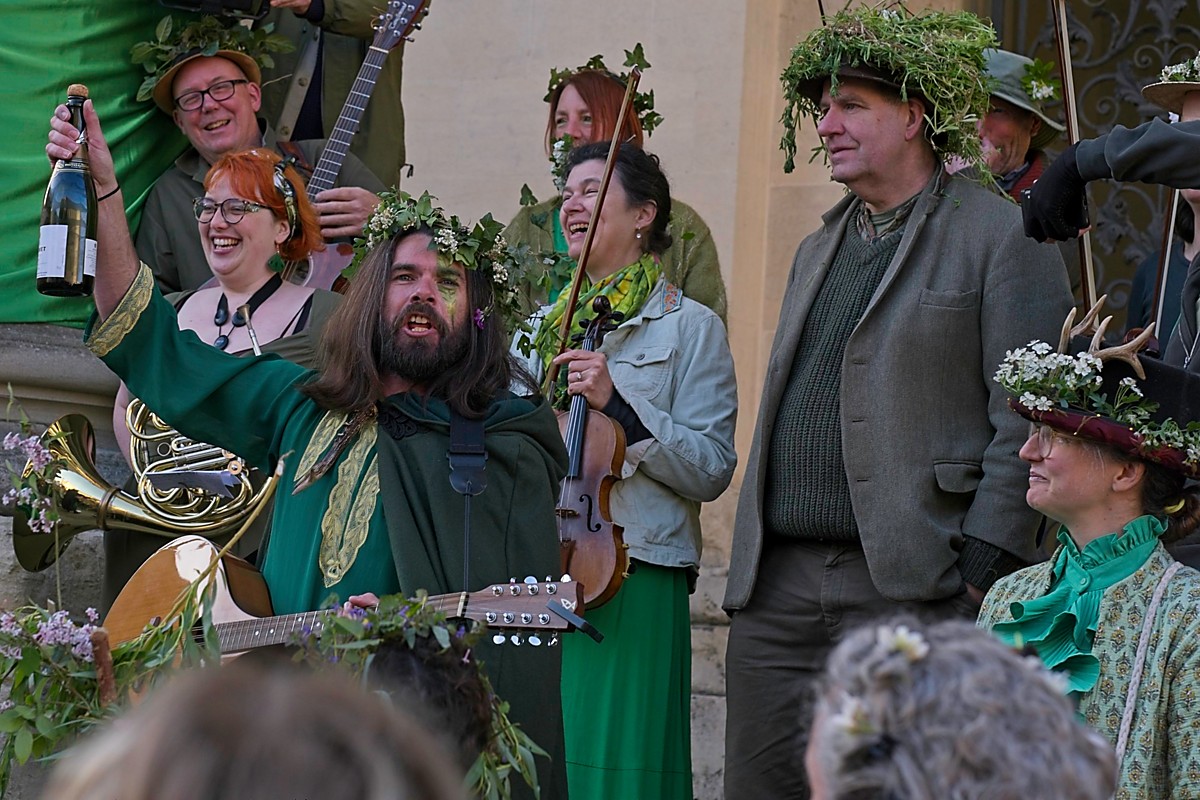
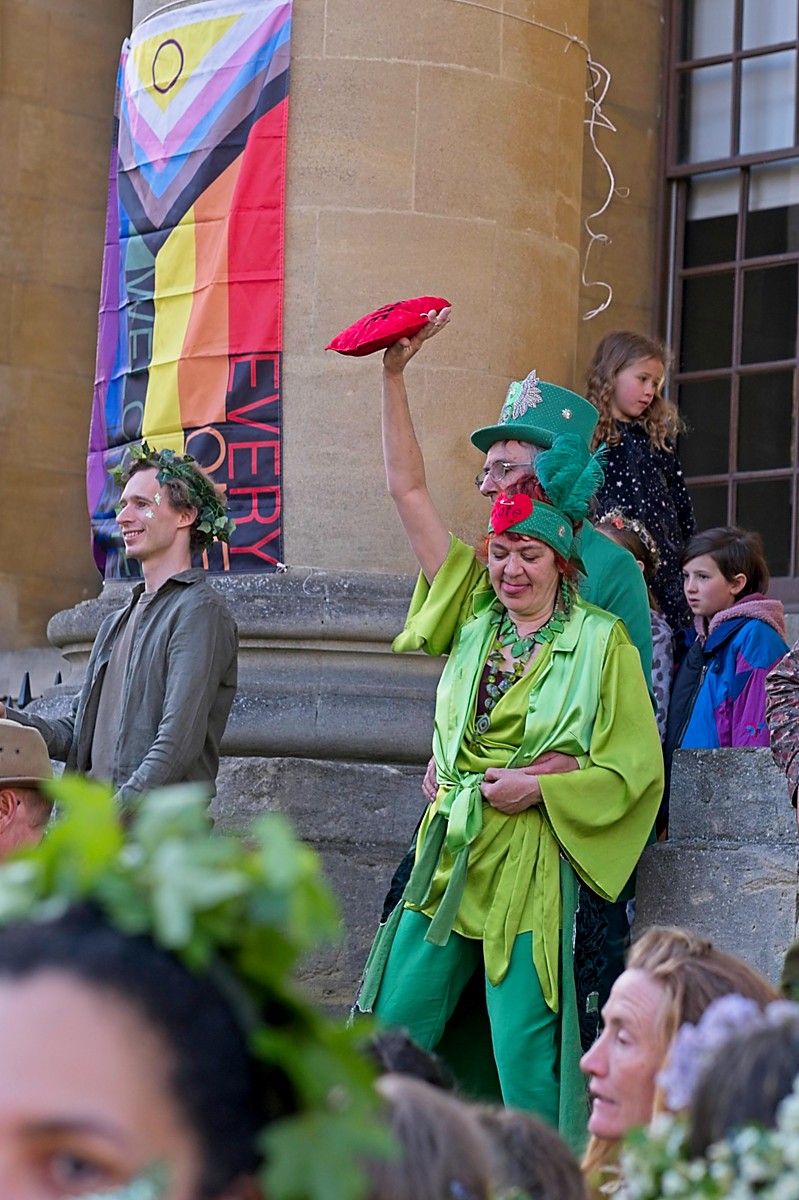
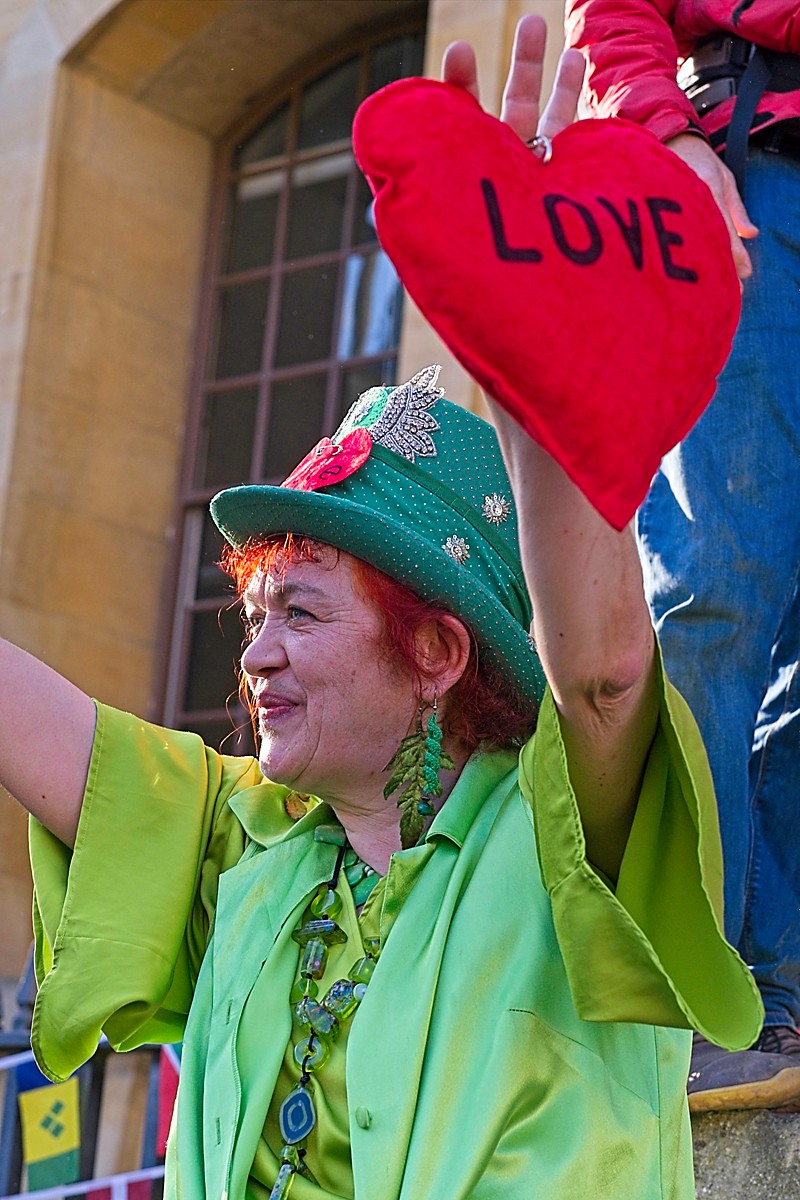
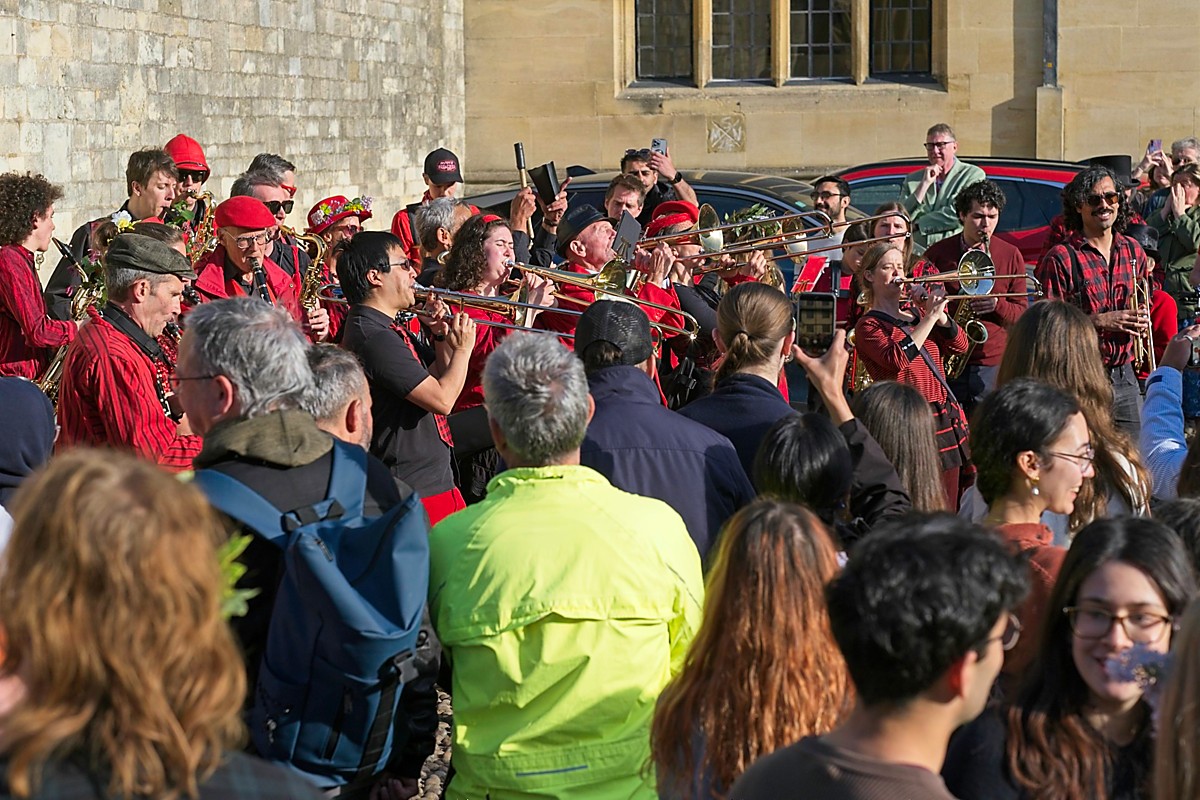
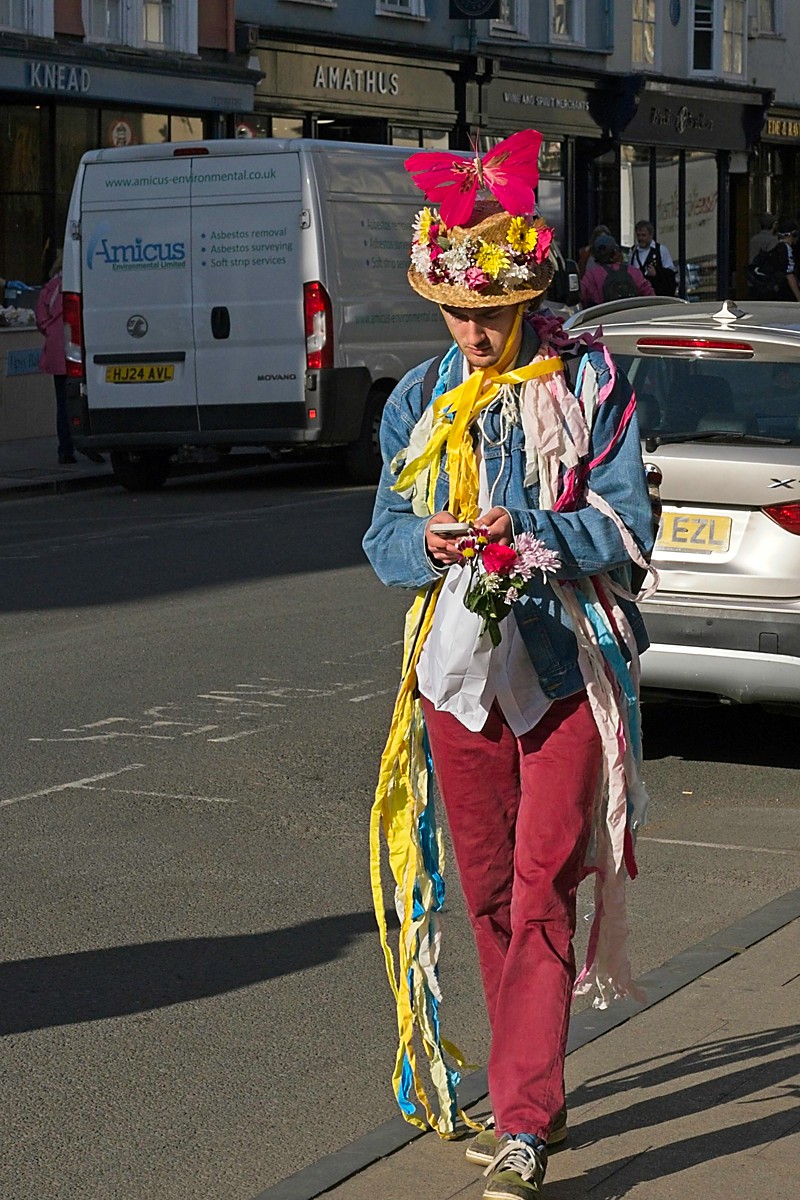
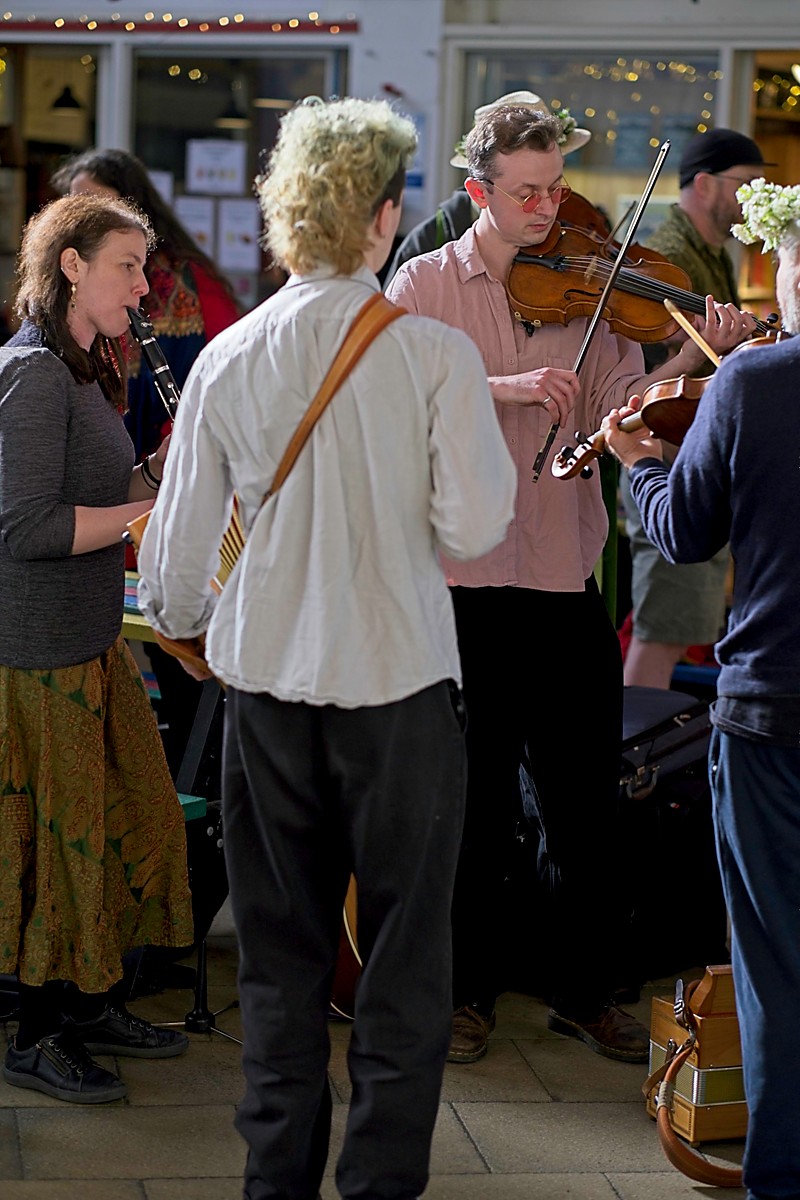
    I don’t get up for the 6am choir anymore. I’ve done it many times, but these days I find the shoulder to shoulder crowds a bit overwhelming. I prefer when the crowd disperses and groups gather here and there for music and dancing. My favourite area is on the steps of the Clarendon building. A few dozens musicians play traditional folk songs whilst a flower and ivy garlanded crowd gathers to sway, dance or occasionally join in on the songs.

    Over the years, it’s probably become my favourite holiday. There is nothing commercialised about it. It’s a celebration of Spring, Summer, Life, Flowers, Trees, Folklore, History, Music, Singing, Dancing, and all things Green and Fecund and Fruitful.

  • Pilgrimage Badges

    Pilgrimage Badges

    Since I first encountered pilgrimage on the Camino de Santiago many years ago, I’ve been fascinated with Pilgrimage badges. They began to be used in the 13th century, and were usually displayed as an indication of the completion of a pilgrimage, or as a testament to the miracles performed by a saint or that were supposed to have occurred at a specific location. They were also, in a sense, the first mass-produced tourist souvenirs: cheap, cast in their thousands from reusable moulds, and sold within sight of the shrine itself. Badges were worn on hats, sewn on clothing, and sometimes contained compartments to carry holy water, oil or soil from the sacred shrine.

    But to call them souvenirs slightly understates what they meant to the people who wore them. A badge that had touched the saint’s tomb was thought to carry something of that tomb’s power home with it, a kind of secondary relic, charged by contact. Pilgrims were, in effect, wearing a small piece of the sacred on their hats and cloaks as they walked back into ordinary life.

    The genuine article, in Oxford

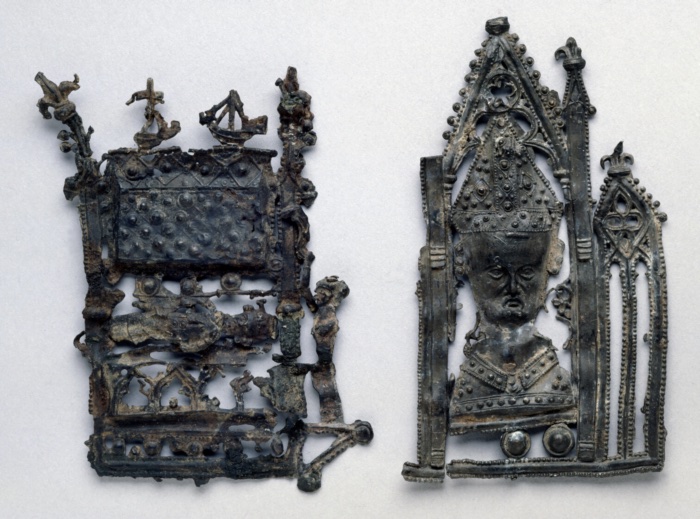
    The Ashmolean Museum holds, in its permanent collection, an actual medieval pilgrim badge depicting the shrine of Thomas Becket: the bejewelled reliquary built around 1220 to house his remains, and the true endpoint of the Canterbury pilgrimage. It is a small thing, seven by six centimetres, cast in lead alloy, found in the City of London and purchased by the Museum in 1988. It is currently on display on Level 2, Gallery 41 (England 400 to 1600), and discussed in the Museum’s 2006 exhibition catalogue on pilgrimage across world religions.

    Ashmolean Museum, Oxford. Pilgrimage Badges.

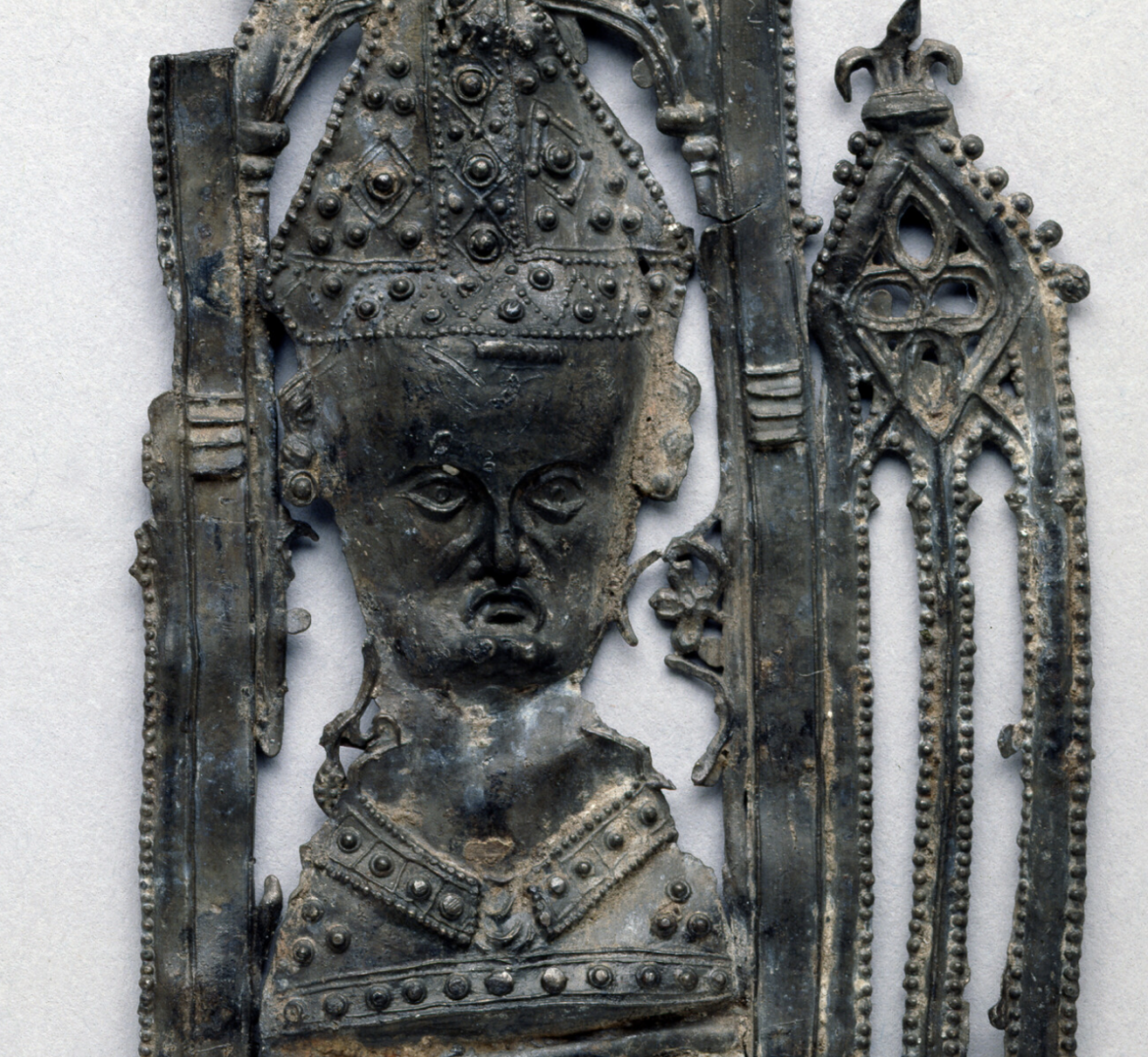
    The Museum’s own photograph of the piece places it alongside a second, related fragment: a mitred bust of Becket himself, the type of badge that depicted the head-shaped reliquary believed to hold his skull, one of the most common souvenir forms sold at Canterbury. You can look up the record for accession number AN1988.397 in the Ashmolean’s online collection.

    Few medieval deaths were turned into souvenirs quite so thoroughly as Becket’s. He was cut down by four of Henry II’s knights in his own cathedral in 1170, an act so shocking to contemporaries that he was canonised within three years, and Canterbury became one of the great pilgrimage destinations of Europe almost overnight. Pilgrims also carried away small flasks, ampullae, filled with water said to contain drops of the martyred archbishop’s blood, sold as a cure for everything from fever to blindness.

    Modern reproductions

    I’ve found a wonderful site that creates pewter reproductions of badges like this one, needless to say, I’d love to have the whole collection. Here are a few examples, but do visit the site and see the many versions available… all at an astonishingly reasonable price!

    ‘Bust of Becket’:
    Bust of Becket Pilgrimage Badge

    This is a close match to the mitred bust shown beside the shrine in the Ashmolean’s own photograph above, the same essential design, mitre, beard and jewelled collar, still being cast in pewter today exactly as it would have been cast in the fourteenth century.

    St James Pilgrimage Badge

    This scallop shell belongs to St James, and to the pilgrimage routes converging on Santiago de Compostela in north-western Spain. The story goes that pilgrims walking those routes would gather actual shells from the Galician coast as proof of having reached the end of the road; stallholders soon realised there was no need to wait for the genuine article when a cast pewter version would do just as well. The shell went on to become shorthand for the entire idea of pilgrimage, adopted at shrines as far afield as Mont-Saint-Michel and Cologne that had nothing to do with St James at all.

    ‘Becket Slain’, showing Saint Thomas á Becket, slain in the cathedral:
    Thomas Becket Pilgrimage Badge

    Surviving badges of the murder scene show it in surprising detail: the knights are sometimes individually identifiable by the heraldry on their shields, and one even bears a small pun, a bear’s head shield for the knight Reginald FitzUrse, whose surname meant ‘bear’ in Latin.

    ‘Becket’s Exile’, showing Saint Thomas á Becket during his sea journey to France:
    Thomas Becket Pilgrimage Badge

    The murder is the scene everyone remembers, but it was the falling-out beforehand that made Becket’s story so resonant. He and Henry II had once been close friends; Becket’s elevation to Archbishop of Canterbury in 1162 was meant to secure royal influence over the Church, but Becket instead defended ecclesiastical independence so fiercely that he fled to France for six years rather than submit. This badge captures that earlier, less violent chapter, a reminder that the cult of a martyr usually has a longer and messier story behind it than the single dramatic image people remember.

    ‘Winged Heart’:
    Winged Heart Pilgrimage Badge

    This one is gentler, a mid-fourteenth-century devotional badge depicting a heart carried aloft by an angel, generally understood as the Angel of the Annunciation, and associated with the cult of the Virgin Mary’s sorrows. Not every badge marked a specific pilgrimage destination; some, like this, functioned more as portable acts of devotion, worn for protection or simply as a visible statement of faith, in much the same spirit as a modern pendant or charm.

    ‘Yorkist Sun’:
    Yorkist Sun Pilgrimage Badge

    The genuine Yorkist sun badge has a good story attached: before the battle of Mortimer’s Cross in 1461, the Yorkist army reportedly saw what looked like three suns in the sky, an optical phenomenon now called a parhelion, and chose to read the omen as one of victory rather than alarm. They duly won, and the sun, often combined with the white rose, became one of the house’s enduring badges. It is worth saying, though, that plain sunburst designs of this kind are sometimes misattributed; specialist badge-makers occasionally identify near-identical examples as Star of Bethlehem devotional badges rather than Yorkist livery at all. The meaning of an image is not always settled, even among people who study them closely.

    The lovely ‘Star and Crescent’:
    Star and Crescent Pilgrimage Badge

    It is tempting to read a star and crescent together as a crusading symbol, a Christian star triumphing over a Muslim moon, and that interpretation does turn up in popular accounts. The history is less tidy. The star-within-crescent motif is far older than the Crusades, appearing on Byzantine and Sassanid Persian coinage centuries earlier, and its association with Islam specifically only hardened much later, through the state symbolism of the Ottoman Empire. Even on royal seals from the crusading period itself, historians are now generally sceptical that the design was meant as anti-Islamic triumphalism at all, since the crescent had not yet become a settled symbol of the ‘infidel’ in the way later popular memory assumes. A small badge, in other words, can carry a much longer and more tangled history than its apparent meaning suggests.

    There are many wonderful treasures to be found at this site, so I encourage you to explore Steve Millingham Pewter Replicas, I don’t think you’ll find such fine craftsmanship for such an affordable price anywhere else.

    Now, if I could only find a similar outlet that sold milagros and votive offerings. 🙂

  • Stonehenge at Winter Solstice

    Stonehenge at Winter Solstice

    I remember being a child watching Saturday morning cartoons in California in the 1970s. One of my favourite shows was In Search Of… with Leonard Nimoy. Each week they explored some kind of mysterious phenomenon, from the Bermuda Triangle to Bigfoot, Atlantis to learning ESP. But the episode that caught my imagination most completely was “The Magic of Stonehenge.” From that point on, whenever asked where I would choose to go if I could go anywhere in the world, the answer has almost always been Stonehenge.

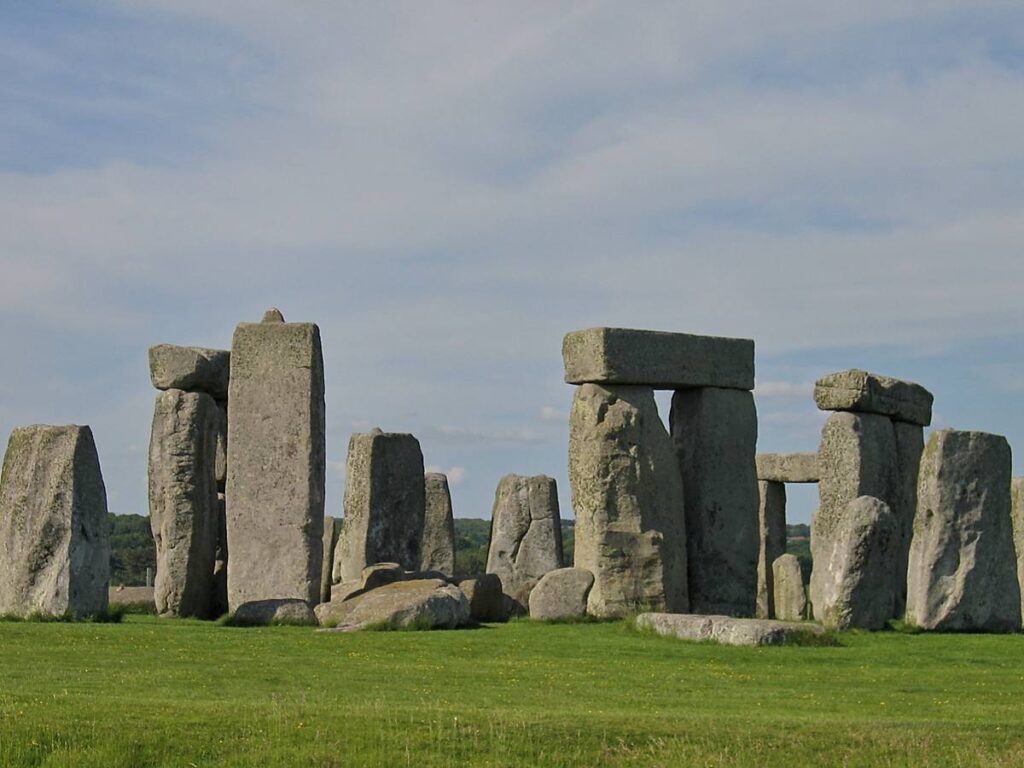
    When I finally visited the UK as an adult, Stonehenge and Avebury were top of my list. People had warned me it might be disappointing: that visitors couldn’t get close to it any more, that it would be impressive but wouldn’t live up to a lifetime of expectation. It took my breath away regardless.

    June, 2007

    Since then I’ve been back a few times, and had heard it was possible to arrange a visit before or after the usual opening hours, but had never managed it. This year an opportunity came up that went further still. Friends from the Oxford Pagan Moot had been invited to the private ceremony for Winter Solstice at sundown, and asked me to join them.

    The ceremony is organised by the Gorsedd of Bards of Cor Gawr, Gorsedd Beirdd Côr y Cewri in Cymraeg, a Druid group whose primary purpose is to hold ceremonies at the Midsummer and Midwinter solstices under agreement with English Heritage. The arrangement has its own history worth setting down. Public ceremonial access to the stones had been effectively closed off since the exclusion-zone conflicts of the 1980s. It was only from 1995 that the British Druid Order, under Philip Shallcrass and Emma Restall Orr, began negotiating access with English Heritage, leading to the Gorsedd’s founding at Stonehenge in 1997. Even the group’s name carries its own small history lesson: Cor Gawr is not, as it’s sometimes taken to be, an ancient British name for the monument. It was coined in 1809 by Edward Davies, correcting an earlier corrupted form, itself standing in for the genuinely old Welsh name for Stonehenge, Côr y Cewri, attested since the twelfth century. A tradition barely two hundred years old, wrapped around a name eight hundred years old, wrapped around a monument five thousand years old.

    We were told to dress warmer than we might expect to need and to arrive around 3:30pm. The visitor centre was still open, but most of the crowds, hundreds of people, were making their way to the exits as the site officially closed. We got inside in time to grab some extra clothing and blankets, because it was clear it was going to be cold, wet and windy when we reached the monument.

    Our group was small, maybe fifty people in total. A shuttle brought us to the site as the light was quickly fading. The drummers gathered to settle on how best to lead the group to the stones, and within minutes we were approaching them, now in dark twilight. We entered the ring of stones and moved in a spiral toward the centre, marking a ceremony that has been observed on this spot, in one form or another, for roughly five thousand years. The temptation to touch the stones was strong, but we had been asked not to, and I felt it right to respect that.

    For the sake of privacy, I don’t think it’s my place to describe what happened during the ceremony itself. I’ll say only that much of it followed the kind of ritual structure familiar from modern pagan practice, with the focus throughout on light: its coming and going, its cycle. At one point all the lights were extinguished, and it was otherworldly to stand in that cold darkness, barely able to make out the people beside me or the stones themselves. We held that for some time, long enough to quiet the mind and shiver the body.

    When the main ceremony ended there was poetry, singing, dancing, and the sharing of food and mead. The wind was misty, wet and bitterly cold, and I was grateful for a warm wool blanket. We were allowed to stay among the stones for nearly three hours, with a few minutes at the end to wander among them on our own before the shuttle brought us back.

    That boy in the seventies, watching a Saturday morning television programme about a stone circle on the other side of the world, could never have dreamt this: a private ceremony, on the winter solstice, inside the stones themselves. He’d have been ridiculously happy, and I was.

    Winter Solstice, 2025